
Can a Simple Portion Control Strategy Make Meal Prep More Convenient and Budget‑Friendly?
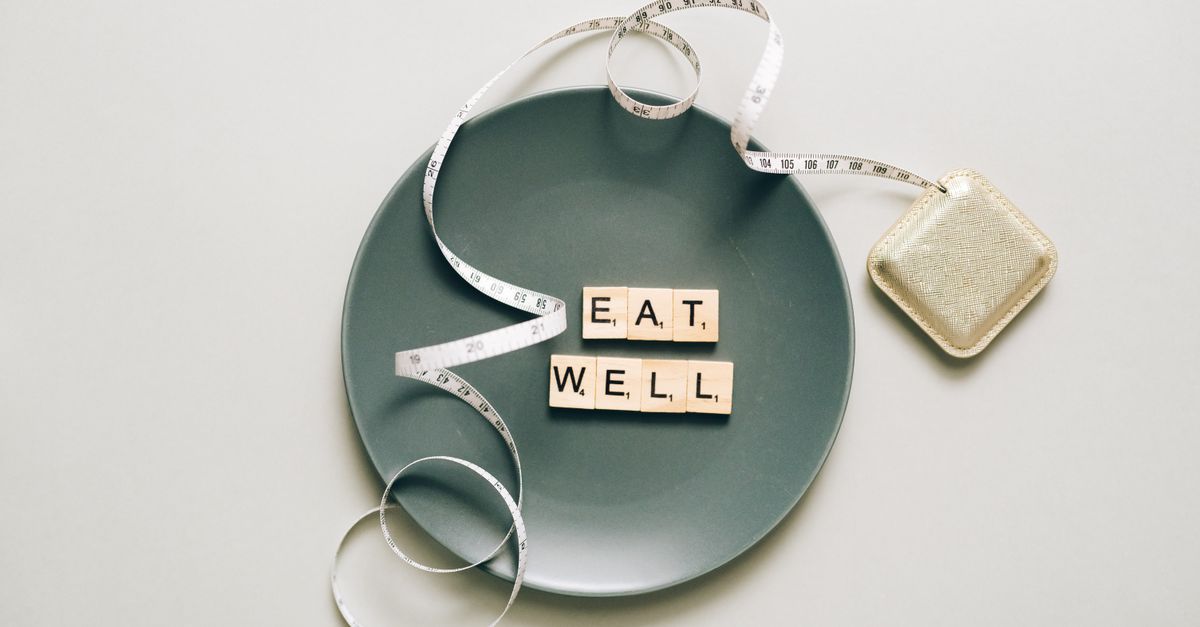
I’ve spent years optimizing systems—from app development to family schedules—always looking for the next small tweak that saves time or money. When it comes to food, I realized that portion control is a silent hero. It can lower grocery bills, reduce waste, and keep me on track with healthy eating habits without adding extra steps.
Understanding Portion Control and Its Role in Healthy Eating Habits
Portion control isn’t about dieting; it’s about consistency. By setting clear volume or weight limits for each food group, you create a predictable framework that aligns your daily intake with nutritional goals.
Definition and Core Concepts
At its core, portion control means measuring or estimating the amount of food you consume. It relies on visual cues (hand‑sized portions), kitchen tools (weighing scales, measuring cups), or pre‑packaged servings to keep portions in check.
Key Principles of Portion Control
- Use a standard reference: one palm for protein, two fists for carbs, one cupped hand for fats.
- Apply portion sizes consistently across meals and snacks.
- Adjust based on activity level and individual metabolic needs.
- Track portions at least once a week to spot trends.
The first principle is the most powerful: a palm‑sized protein portion equals roughly 20–25 grams of lean meat or fish, which is enough for an average adult without excess calories. By repeating this visual rule, I keep my meals balanced and easy to prepare.
Why Visual Cues Work
Human brains are wired to estimate size through familiar objects—hands, bowls, or plates. Using your palm as a reference eliminates the need for scales during everyday eating while still providing a reliable baseline. Over time, you develop an intuitive sense of portion sizes that can be applied even when you’re away from home.
Beyond Calories: Micronutrient Balance
Portion control also forces attention to micronutrients. When you limit the volume of processed foods, you open space for nutrient‑dense options like leafy greens or colorful vegetables. This subtle shift can improve overall diet quality without changing your calorie count.
Linking Portion Control to Affordable Healthy Meals
When you control portions, you automatically reduce the quantity of ingredients you buy. This leads to two major savings: lower grocery bills and less food waste.
Cost Savings Through Portion Planning
A single meal that uses 300 calories from protein can be cut down to 200 calories with a palm‑sized portion, cutting the cost by roughly one third if you’re buying premium cuts. The same logic applies to vegetables and grains.
Strategies for Budget‑Friendly Portions
- Batch cook larger portions of staple proteins (chicken breast, lentils) and divide them into palm‑sized servings.
- Use frozen produce; it’s cheaper and retains nutrients.
- Swap out expensive oils for everyday olive or canola in measured tablespoon amounts.
- Plan meals around sales—buying bulk protein on discount days and portioning immediately.
In my experience, buying a 5‑lb bag of ground turkey during a sale and dividing it into single portions saved me about $15 per month. The extra time I spent measuring was negligible compared to the grocery savings.
Calculating Your Savings
To get a clear picture, try this simple worksheet: note the price per pound of your favorite protein, multiply by the number of servings you actually use in a week, and compare it to the amount you would spend if you bought larger portions without portioning. Often, the difference is more than just dollars—it’s also the number of extra meals you can afford.
Reducing Waste Through Precision
When you know exactly how many servings each container holds, you’re less likely to over‑cook or under‑serve. This precision means leftover portions can be used for a second meal instead of being discarded, further extending the value of every ingredient.
The Impact on Weekly Meal Prep and Convenience
Meal prep is all about reducing daily kitchen labor. Consistent portion sizes streamline this process: you cook once, divide evenly, and store with confidence that each container meets your nutritional targets.
Streamlining Prep with Consistent Portions
Instead of guessing how much rice or pasta to make for the week, I pre‑measure 1/2 cup servings. When I assemble meals, I simply scoop a measured cup into each container. This eliminates over‑cooking and under‑serving.
Meal Prep Workflow Optimized by Portion Control
- Cook protein in bulk; cool and portion immediately with a kitchen scale.
- Sauté vegetables in batches, dividing them into equal portions using measuring cups.
- Use a 1‑cup yogurt container for snacks—no more eyeballing.
- Label containers with portion size and meal time to avoid confusion.
This workflow reduces prep time by about 30 minutes per week. I can now focus on other priorities, such as teaching my kids simple kitchen skills or planning our next RV trip.
Example of a One‑Day Prep Plan
Morning: Roast a whole chicken and portion it into 6 palm‑sized servings for lunch and dinner over the week. Midday: Cook quinoa in bulk, divide into 1/2 cup portions for side dishes or breakfast bowls. Evening: Steam broccoli and carrots, then portion into 4 equal cups to accompany protein meals.
Storage Tips for Portion Control
Use clear, stackable containers with volume markings; this allows you to see at a glance how much is left in each container. Freeze portions that won’t be used within three days to preserve freshness and prevent spoilage.
Practical Steps to Implement Portion Control in Your Routine
Getting started doesn’t require a fancy app or a new set of tools—just a few disciplined habits. Below is a step‑by‑step guide that works for anyone, regardless of kitchen experience.
Tools and Resources
- Digital kitchen scale (accuracy to 1 gram).
- Measuring cups and spoons in metric units.
- A simple portion chart or printable hand‑size guide.
- Reusable containers with volume markings.
Step‑by‑Step Guide
- Audit Your Current Portions: Record what you eat for three days. Notice how much you over‑or under‑eat compared to recommended sizes.
- Create a Portion Chart: Map out visual cues (palm, fist, cupped hand) next to actual gram or cup measurements.
- Buy in Bulk and Divide: Purchase larger quantities of staple foods on sale; portion them immediately with the scale.
- Label Containers: Write the food type, weight, and serving size on each container.
- Track Weekly: Review your portions once a week to spot patterns or deviations.
Implementing these steps usually takes less than an hour per week. The payoff is consistent meal quality, reduced waste, and clearer insight into eating habits.
Integrating Portion Control with Your Calendar
Mark your grocery days and prep days on a shared calendar so everyone in the household knows when to shop or cook. This reduces last‑minute decisions that often lead to overbuying or skipping meals altogether.
Common Pitfalls and How to Avoid Them
Even with a solid plan, people often fall into traps that undermine portion control efforts. Recognizing these pitfalls early can keep you on track.
Misconceptions About Size vs. Nutrition
A common mistake is equating smaller portions with healthier meals automatically. The nutritional density of the food matters as much—or more—than the volume.
Top Mistakes
- Neglecting Macronutrient Balance: Cutting carbs without adjusting protein or fats can leave you feeling sluggish.
- Over‑Relying on Prepackaged Portions: These often contain added sodium or sugars; always check labels.
- Ignoring Satiety Signals: Eating too small portions may trigger cravings later, leading to overeating.
- Failing to Adjust for Activity Levels: A sedentary day doesn’t require the same protein portion as a running marathon.
By addressing these issues, you maintain both health and satisfaction. In my experience, adjusting protein portions on high‑intensity workout days prevented mid‑afternoon energy dips that used to derail my schedule.
Staying Flexible During Travel
When you’re away from home—whether it’s a weekend camping trip or an international vacation—stick to the hand‑size rule. Carry portable measuring tools like small kitchen scales or pre‑measured packets of nuts to keep portioning on track.
Summary and Takeaway
Portion control is the simplest lever for aligning affordable healthy meals with weekly meal prep convenience, ultimately strengthening healthy eating habits without adding complexity.When applied consistently, it reduces grocery expenses, cuts waste, speeds up preparation, and provides a reliable framework for nutrition. The key is to start small—measure one protein or vegetable per meal—and scale as you become comfortable. I’ve seen the benefits ripple across my family’s meals, from Ethan’s balanced school lunches to Zachary’s post‑basketball recovery snacks.
Next Steps: A 7‑Day Portion Challenge
Commit to one portion‑controlled recipe each day of the week. Record your grocery bill before and after; you’ll see how much money you’ve saved. Share your experience with friends or on social media using the tags below—your story could inspire someone else to try it.
What portion control strategy has helped you reduce grocery costs without compromising taste?


