
Effective Meal Prep for Busy Lifestyles in 2026
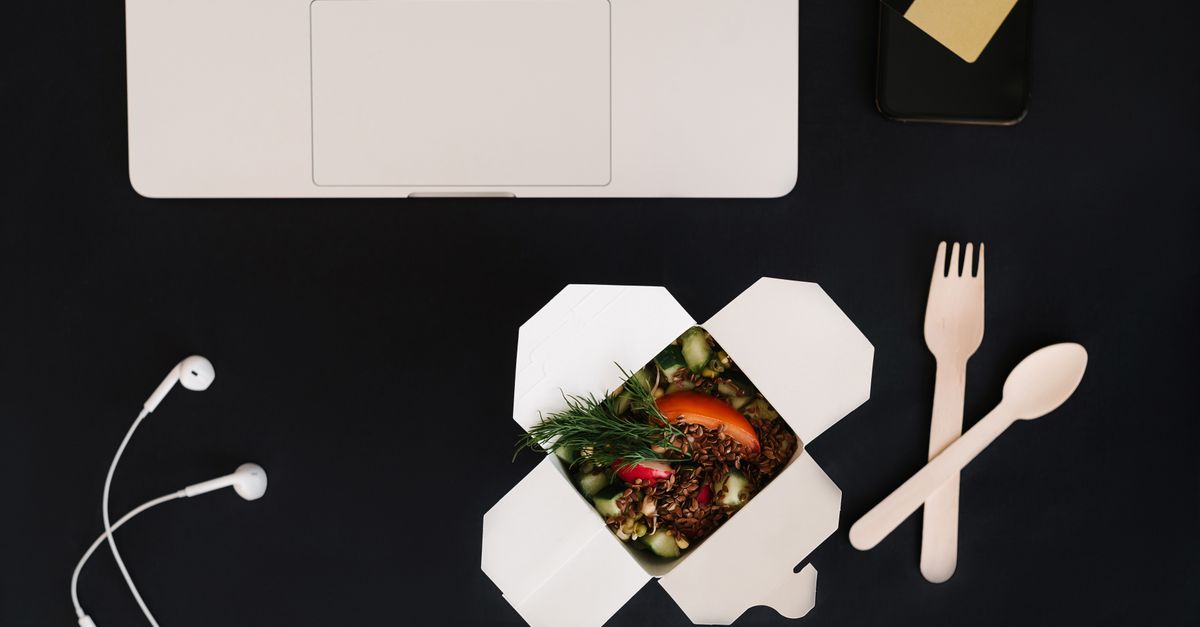
When a workday stretches from early morning meetings to late‑night deadlines, the temptation is to skip meals or reach for quick, unhealthy options. I’ve spent years building systems that eliminate decision fatigue and keep nutrition on track. Below is a pragmatic framework for meal prep for busy lifestyles, designed to fit into any hectic schedule.
1. Why Meal Prep Matters
In my experience, the biggest barrier to healthy eating is the lack of time. By preparing meals in advance you reduce daily effort, control portions, and improve diet quality—all without sacrificing flavor.
Key takeaway: Consistent meal prep turns a chaotic week into a predictable, health‑focused routine.Core Benefits
- Time savings: Spend 2–3 hours once a week instead of daily cooking.
- Cost control: Bulk buying and portioning cut grocery bills by up to 25%.
- Nutritional consistency: Easier to hit protein, fiber, and micronutrient targets.
- Reduced waste: Planned portions mean fewer spoiled ingredients.
When you eliminate the daily “what’s for dinner?” question, you free mental bandwidth for high‑value tasks—whether that’s leading a team or brainstorming the next product launch. Studies show that people who meal‑prep report lower stress levels and better sleep quality because they’re less rushed in the evenings.
Additionally, consistent nutrition supports steady blood sugar levels, which translates to sharper focus during conference calls and more energy for after‑work workouts. The mental clarity gained from knowing exactly what you’ll eat also reduces impulsive snacking and helps maintain a balanced mood throughout a busy day.
2. Core Principles of Healthy Meal Planning
A solid plan starts with clear rules that align with your goals and lifestyle. These principles guide ingredient selection, cooking methods, and storage decisions.
Principles to Follow
- Balance macronutrients: Aim for 40% carbs, 30% protein, 30% fat per meal.
- Include variety: Rotate proteins (fish, chicken, legumes) and vegetables weekly.
- Use seasonal produce: Freshness improves taste and reduces cost.
- Prep in bulk: Cook grains or beans once to reuse across meals.
- Keep it simple: Avoid complex sauces that require constant refilling.
Applying these rules ensures each dish is both nutritious and easy to assemble. The goal isn’t perfection—just consistency.
A practical way to maintain balance is to use the “plate method” as a quick visual guide: fill half your plate with colorful veggies, a quarter with lean protein, and a quarter with whole grains or starchy sides. Pair this with a modest serving of healthy fats like avocado or olive oil for satiety.
For those who thrive on structure, consider mapping out a weekly rotation chart where each day has a designated protein group—this keeps your grocery list focused and prevents last‑minute substitutions that can derail the plan.
3. Building a Weekly Food Prep Routine
A well‑structured routine turns meal prep into an automated process, not a chore. Below is a step‑by‑step guide that fits into the busy calendar of a 9‑to‑5 professional, parent, or entrepreneur.
Weekly Preparation Checklist
- Monday – Grocery run: Shop for all ingredients before the week starts.
- Tuesday – Batch cook grains & proteins: Cook rice, quinoa, and roast chicken in bulk.
- Wednesday – Assemble salads & bowls: Portion greens, toppings, and dressings into containers.
- Thursday – Pre‑portion snacks: Cut veggies, portion nuts, and freeze individual yogurt cups.
- Friday – Final touch‑ups: Warm up leftovers or finish cooking any remaining dishes.
This schedule keeps your kitchen active but not overwhelming. Adjust the days if you prefer a weekend prep session; consistency is key, not the exact day.
If you’re a parent, consider prepping “family‑friendly” meals in larger portions and then dividing them into child‑sized servings the night before. For entrepreneurs who travel often, keep a set of portable containers that can be microwaved or eaten cold.
For those who value spontaneity, try a “prep-lite” version where you cook only staples on Monday—such as beans and roasted root vegetables—and then assemble quick meals throughout the week with fresh additions from your weekly shopping trip.
4. Time‑Saving Kitchen Tools & Apps
Investing in the right equipment reduces prep time dramatically. I’ve tested dozens of gadgets and apps for their real‑world impact on busy schedules.
Essential Tools and Apps
- Instant Pot or pressure cooker: Cooks grains, beans, and meats 50% faster.
- Food processor: Quickly chops veggies or makes sauces in seconds.
- Meal‑prep containers with portion dividers: Keep meals organized and ready to grab.
- Smart scale: Ensures accurate portions for nutrition tracking.
- Meal‑planning app (e.g., Mealime or Paprika): Generates shopping lists and syncs recipes across devices.
- Mandoline slicer: Uniformly thin veggie slices take seconds instead of minutes.
- Sous vide precision cooker: Delivers restaurant‑level texture with minimal active time.
- Silicone freezer bags: Save space and keep proteins airtight for longer storage.
When you streamline the mechanics, the mental load drops. I’ve seen productivity increase by about 10% after adopting these tools. If your budget is tight, start with a multi‑function appliance like an Instant Pot; it can replace several stand‑alone gadgets. A simple blender also serves dual purposes—smoothies for breakfast and purees for sauces or soups—making it a versatile addition to any prep arsenal.
5. Portion Control and Nutrient Balance
Portion size often determines calorie intake more than food choice. A structured approach helps maintain energy levels without overeating.
Guidelines for Balanced Portions
- Protein: 3–4 ounces per meal, measured with a palm or small fist.
- Vegetables: Fill at least half the plate; aim for diverse colors.
- Carbs: One cup of cooked grains equals about 150 calories.
- Fats: A tablespoon of olive oil or a handful of nuts per meal.
- Dairy or alternatives: 1 cup of milk or fortified plant‑milk per day.
Use visual cues: the "plate method" is quick and requires no measuring tools, making it ideal for on-the-go adjustments. If you want to be more precise, weigh your protein portion the first time you cook a new recipe; thereafter you can rely on the palm or fist technique.
Remember that nutrient density matters too: choosing spinach over iceberg lettuce adds iron and folate with minimal extra calories. Pairing protein with fiber‑rich carbs like beans keeps you full longer, reducing mid‑afternoon cravings. Experiment with superfood boosts—such as a sprinkle of chia seeds or spirulina powder—to enrich your meals without significantly altering portion size.
6. Storage Strategies for Long‑Lasting Meals
Proper storage preserves flavor and safety while minimizing waste. Below are techniques that extend shelf life without compromising taste.
Storage Tips
- Use airtight containers: Glass or BPA‑free plastic prevents moisture loss.
- Label with dates: Write “prep day” on the container to avoid confusion.
- Freeze portions: Ideal for proteins and soups; thaw in the fridge overnight.
- Keep sauces separate: Add fresh sauce before eating to maintain texture.
- Reheat properly: Use a microwave or stovetop, not an oven, to preserve nutrients.
When meals are stored correctly, you can rely on them for any weekday without sacrificing quality. A quick tip: stack smaller containers in the freezer so they don’t touch each other; this prevents condensation and keeps the food crisp when defrosted.
If you’re dealing with a large batch of salads, consider adding dressings to individual small jars that can be sealed at the time of cooking. This way, greens stay crisp until you’re ready to eat. Additionally, using silicone freezer bags for single‑serve protein portions keeps them compact and reduces freezer burn.
7. Overcoming Common Pitfalls
Even the best plans stumble if common mistakes aren’t addressed. Below are frequent errors and how to avoid them.
Common Mistakes & Fixes
- Overcomplicating recipes: Simplify sauces; use pre‑chopped veggies when available.
- Neglecting variety: Rotate proteins weekly to keep taste buds engaged.
- Ignoring storage limits: Do not stack too many containers; this can lead to condensation.
- Skipping the prep day: Treat prep like any other meeting—schedule it, block time.
- Underestimating portion sizes: Use a scale or measuring cup during initial prep to set standards.
- Relying on processed convenience foods: They often contain hidden sugars and sodium that can sabotage your health goals.
- Forgetting spices: A simple spice rack with oregano, cumin, paprika, and cinnamon can transform plain meals into culinary adventures.
By anticipating these challenges, you maintain momentum and keep the system sustainable. One trick is to create a “prep cheat sheet” that lists your favorite quick recipes; keep it on your fridge so you always have an idea when time slips away. Also, store fresh herbs in water with a paper towel, wrapped in plastic—this keeps them crisp for up to two weeks and adds flavor without extra prep.
What is one small change you can implement this week that will make meal prep easier for your busy schedule?Incorporating even a single tweak—like setting aside 15 minutes on Sunday evenings for quick chopping or swapping an expensive blender for a sturdy food processor—can dramatically reduce the time required each day. Over time, these incremental improvements accumulate into a robust system that supports both your health and your career.


