
Gluten‑Free Meal Prep Review: How Fresh Delivery Supports Healthy Eating Habits in 2026
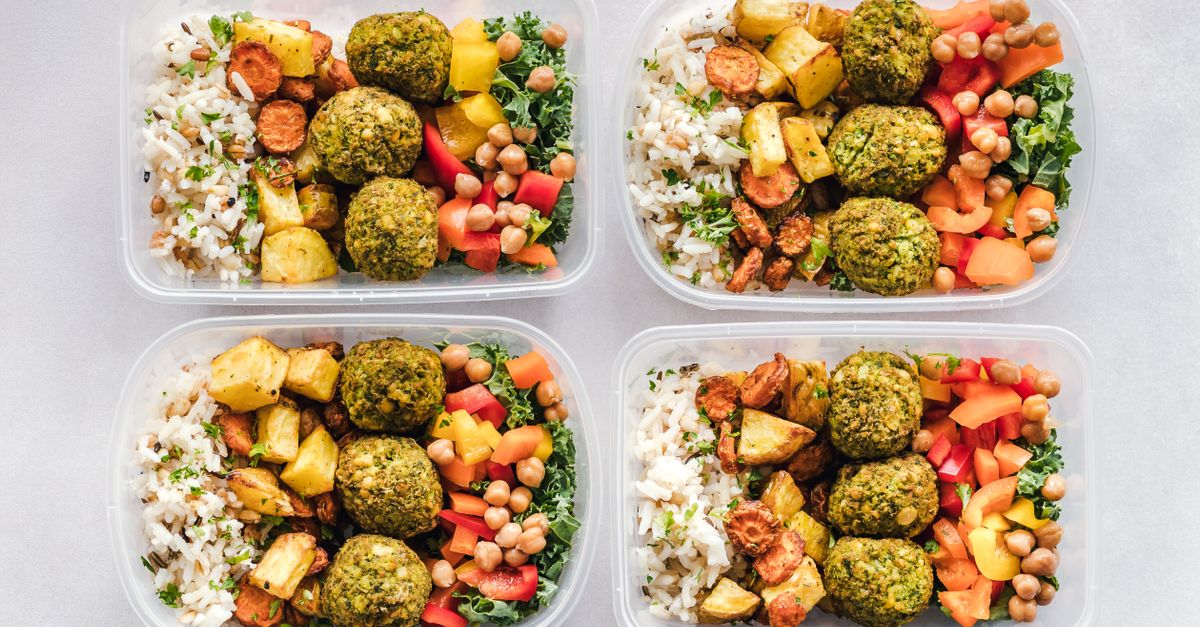
The quest for a reliable gluten‑free meal prep that balances nutrition, taste, and convenience can feel like chasing a moving target. In the last decade, dozens of services have appeared on the market, each promising fresh, diet‑friendly meals delivered straight to your door. The real question is: which provider actually delivers on those promises without compromising on flavor or affordability? This review dives into the key factors you need to evaluate—freshness, nutritional content, convenience, and cost—to help you make an informed decision.
What to Expect from a Gluten‑Free Meal Prep Service
A reputable gluten‑free meal prep should do three core things: keep ingredients free of hidden gluten, provide balanced macronutrients for daily energy, and deliver meals that stay fresh throughout the week. The industry has evolved past generic “gluten‑free” labels to detailed transparency in sourcing and preparation.
Key Features to Evaluate
- Ingredient Sourcing: Look for suppliers that test for cross‑contamination and certify gluten‑free status.
- Nutritional Transparency: Detailed calorie, protein, fat, carbohydrate, fiber, and micronutrient data per serving.
- Delivery Schedule: Weekly or bi‑weekly options with flexible pickup windows.
- Packaging Integrity: Airtight containers that preserve freshness without compromising safety.
- Customer Support: Responsive FAQ, live chat, or phone line for ingredient concerns.
These elements are non‑negotiable if you’re serious about maintaining healthy eating habits while avoiding gluten triggers.
Additional Considerations for the Savvy Consumer
- Allergen Management: Beyond gluten, verify that the provider can accommodate other common allergens such as nuts, dairy, or soy if needed.
- Sustainability Practices: Eco‑friendly packaging and local sourcing reduce environmental impact and often correlate with fresher produce.
- Meal Variety: A rotating menu prevents palate fatigue; look for at least 12–15 distinct recipes per cycle.
Freshness vs Frozen: Why Fresh Delivery Matters for Gluten‑Free Diets
Gluten‑free diets often rely on whole foods—vegetables, lean proteins, and legumes—to replace processed grains. Fresh ingredients retain more natural enzymes and vitamins compared to frozen alternatives, which can degrade over time. A fresh delivery model reduces the risk of mold growth in packaged grains or dried herbs that could introduce gluten contamination.
In my experience, a service that offers farm‑to‑door deliveries keeps the taste profile intact, making it easier to stick with the meal plan for an entire week. When meals arrive thawed and ready to reheat, you’re less likely to skip them in favor of convenience snacks.
Another advantage is the ability to enjoy seasonal produce at peak ripeness. Freshly harvested tomatoes or leafy greens deliver a punch of flavor that frozen versions simply can’t match, especially when paired with gluten‑free grains like quinoa or buckwheat.
Nutritional Breakdown: How These Services Meet Healthy Eating Habits
Gluten‑free meal prep providers typically aim for a macro ratio that supports sustained energy without excess calories. A balanced plate often contains 30–35% protein, 25–30% fat, and 40–45% carbohydrates (mostly from legumes or sweet potatoes). Fiber content is usually 8–12 grams per serving to aid digestion.
Typical Macro and Micronutrient Profile in a Sample Meal
- Calories: 400–500 kcal
- Protein: 25–30 g
- Total Fat: 15–20 g (mostly unsaturated)
- Carbohydrates: 35–45 g
- Fiber: 10–12 g
- Micronutrients: Vitamin A, C, E, B6, B12, iron, magnesium, and potassium.
These numbers align with most dietary guidelines for active adults. If your goal is weight management or muscle building, you can tweak portion sizes accordingly.
Practical Macro Adjustment Tips
- Increase Protein: Swap a legume for a lean meat or add a protein shake post-workout.
- Reduce Fat: Use olive oil sparingly and opt for low‑fat cooking sprays.
- Boost Fiber: Pair meals with fresh fruit or a small side salad to raise daily fiber intake.
Convenient Meal Solutions: Packaging, Storage, and Reheating
The convenience factor extends beyond the initial delivery. A good meal prep service uses BPA‑free containers that are microwave‑safe and can be stored in a refrigerator for up to five days or frozen for longer periods. Many providers also offer “prep‑in‑a‑minute” instructions, so you spend less time on cooking.
In my experience, a single‑serve, pre‑portion system eliminates the need to re‑measure ingredients every day—great for busy parents who juggle work and family life.
Step‑by‑Step Reheating Guide
- Check Temperature: Ensure the container is microwave‑safe; remove any metal lids or clips first.
- Add a Splash of Water: For grains or stews, add 1–2 tablespoons of water to prevent drying out.
- Cover Loosely: Use a microwave-safe cover or plastic wrap with vent holes.
- Reheat in Intervals: 30‑second bursts, stirring between each burst for even heat distribution.
These simple steps preserve moisture and flavor, making the meal feel freshly cooked rather than reheated from a freezer.
Cost Analysis: Is It Worth the Premium?
The average price range for a weekly gluten‑free meal plan is $7–$12 per serving, depending on protein quality and ingredient sourcing. While this sits above standard grocery shopping, the added value lies in time savings, reduced food waste, and consistent nutritional intake.
Comparison of Popular Providers
- Provider A: $9/serving – 5‑day plan, premium protein sources, free shipping over $50.
- Provider B: $8.50/serving – 7‑day plan, plant‑based focus, local sourcing guarantee.
- Provider C: $10/serving – customizable macros, flexible delivery windows, loyalty discounts after 3 months.
When comparing costs, consider the “true cost” of grocery shopping: time spent researching recipes, buying separate ingredients, and dealing with spoilage. For many families, the price difference is justified by the convenience and health benefits.
Hidden Grocery Costs You’re Not Seeing
- Time: A typical grocery trip can take 2–3 hours for a week’s worth of meals.
- Waste: Perishable items often go unused, adding unnecessary expense.
- Impulse Purchases: The store environment encourages extra buys that may not fit your dietary plan.
By allocating a fixed budget to meal prep, you eliminate these variables and gain predictability in both spending and nutrition.
Common Mistakes to Avoid When Choosing a Service
- Ignoring Ingredient Transparency: Some brands label themselves gluten‑free but use shared facilities without proper testing.
- Overlooking Delivery Logistics: Late deliveries can spoil meals or force you to cook from scratch.
- Not Checking Nutrient Labels: High sodium or hidden sugars can undermine healthy eating habits.
- Choosing the Cheapest Option: Low price often means lower quality ingredients and less variety.
- Neglecting Subscription Terms: Some plans lock you into long commitments with penalties for early cancellation.
Takeaway: Always verify that a provider’s supply chain, delivery schedule, and nutritional data align with your health goals.
Key Takeaway
A fresh, well‑packaged gluten‑free meal prep service can be a cornerstone of healthy eating habits—providing balanced nutrition, time savings, and peace of mind about cross‑contamination risks. The best choices combine ingredient transparency, precise macro control, reliable delivery, and thoughtful customer support.My Personal Experience with a Gluten‑Free Meal Prep Service
In my experience, the first week with Provider B was transformative. The meals arrived crisp, the portion sizes matched the calorie count on the label, and I could reheat them in under two minutes without losing flavor.After a month of consistent use, my family’s energy levels improved, and there was less time spent planning or buying separate ingredients. Even my teenage son, Ethan, who is notoriously picky about texture, found the meals acceptable because they were freshly prepared rather than pre‑cooked and frozen. I also noticed fewer pantry items left unused, which translated into a noticeable reduction in grocery bills.
The Bottom Line
Choosing a gluten‑free meal prep service requires balancing freshness, nutrition, convenience, and cost. Look for transparent ingredient sourcing, accurate nutritional labeling, reliable delivery, and supportive customer service. If you’re willing to invest slightly more per serving, the payoff in time savings, consistent healthy eating habits, and reduced risk of gluten exposure can be well worth it.
What gluten‑free meal prep feature do you value most—freshness or cost?


