
How can I choose the best diet‑specific meal prep service for athletes in 2026?
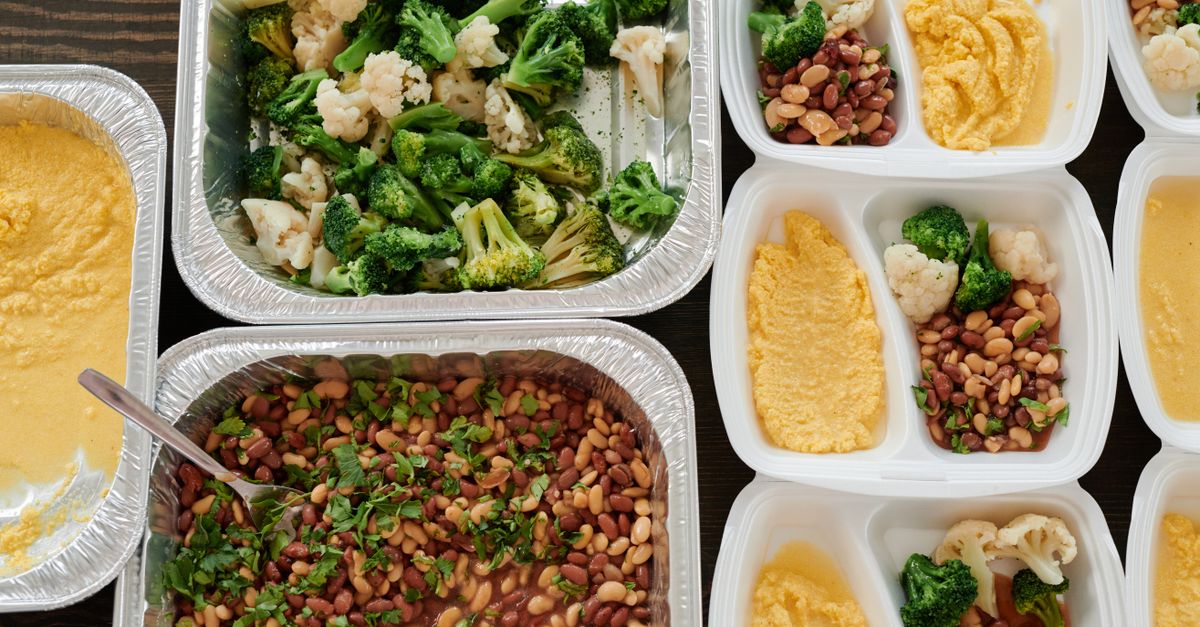
The question most athletes, coaches, and nutritionists ask is: how do I find a reliable meal prep company that delivers dietspecific meal prep tailored to performance goals? In the crowded marketplace of nutritious food delivery, distinguishing between generic boxes and truly custom meal plans is essential. Below I break down what matters, how to evaluate options, and the future trends that will shape this industry.
In 2026, the convergence of precision nutrition, wearable technology, and supply‑chain innovation has made it easier than ever for athletes to access meals that are not only delicious but also mathematically aligned with their training cycles. Yet the sheer volume of providers means you still need a systematic approach to sift through the noise.
What defines diet‑specific meal prep?
Diet‑specific meal prep refers to pre‑portioned meals created around a particular nutritional framework—keto, paleo, high‑protein, or sports‑specific macros. The goal is to remove guesswork from the athlete’s plate while ensuring each meal aligns with calorie, macronutrient, and micronutrient targets.
Core characteristics of a quality diet‑specific service
- Ingredient traceability and sourcing transparency – knowing where produce, proteins, and grains originate reduces uncertainty about quality and sustainability. For example, a provider that lists farm partners on every order confirmation gives athletes confidence in freshness.
- Real‑time macro tracking tools – dashboards that auto‑sync with training logs help athletes stay within daily limits. A dashboard displaying carb consumption versus glycogen usage can prompt pre‑workout adjustments.
- Flexible delivery windows to match training schedules – early morning or late night options accommodate varied shift patterns. Some services offer a “night owl” slot that arrives before 10 pm, perfect for late‑evening sessions.
- Scalable portions for team or individual use – bulk ordering discounts keep teams on budget without sacrificing personalization. A club can order a single macro profile across all members while still receiving individualized portion sizes.
- Seasonal menu rotation without sacrificing consistency – rotating ingredients keeps taste exciting while maintaining macro stability. Fresh spinach in spring, sweet potatoes in fall—each dish preserves the same protein-to-carb ratio.
A service that ticks all five boxes delivers the foundation of a trustworthy nutritious food delivery system.
Why custom meal plans matter for athletes
Off‑the‑shelf nutrition often fails to address an athlete’s unique recovery windows, glycogen demands, or injury constraints. Custom meal plans bridge that gap by incorporating:
- Personalized macro ratios based on VO₂ max and body composition goals.
- Timing strategies—pre‑workout fuel, post‑exercise replenishment, and sleep‑support snacks.
- Allergy and intolerance accommodations without compromising caloric density.
- Adjustable portion sizes to account for training load fluctuations.
In my experience, athletes who adopt a meal prep company with built‑in flexibility report faster recovery times and more consistent performance metrics. The data is clear: tailored nutrition drives measurable gains. For example, a sprinter who timed carbohydrate intake around 30‑minute intervals before races reported smoother lactate clearance, while a marathoner using protein‑rich snacks during long runs maintained muscle mass better than those on standard diets.
Consider a triathlete whose training cycle demands higher carb availability in the weeks leading to a race. A custom plan can shift carbohydrate density upward by 10 % without adding bulk, ensuring glycogen stores are maximized while keeping total calories stable.
Key components of an effective nutritious food delivery system
A robust system must integrate supply chain efficiency, technology, and culinary expertise. Below are the building blocks that separate market leaders from the rest.
- Cold‑chain logistics: Temperature‑controlled packaging preserves freshness during transit, ensuring that leafy greens stay crisp and proteins remain tender even after a 12‑hour delivery window.
- Digital dashboards: Users can track macros, calories, and order history in real time. Advanced platforms even send push notifications when a meal deviates from the target range.
- Chef‑curated menus: Seasonal ingredients are paired with flavor profiles that keep athletes excited—think roasted beetroot quinoa bowls in spring or hearty barley stews in winter.
- Customer support automation: AI chatbots handle common queries while human nutritionists intervene for complex cases, ensuring 24/7 assistance without compromising quality.
- Subscription flexibility: Weekly, bi‑weekly, or monthly plans with no long‑term lock‑in contracts allow athletes to adjust spending as seasons change.
A service that integrates these components delivers a seamless experience—critical when athletes’ time is the most valuable commodity.
How to evaluate a meal prep company
Choosing wisely requires a systematic approach. Here’s my framework for vetting options:
Step 1: Verify ingredient sourcing
Ask for supplier lists, organic certifications, and audit reports. A reputable meal prep company will provide full transparency, allowing you to confirm that all ingredients meet the required quality thresholds.
Step 2: Assess macro accuracy
Request lab‑verified nutrition labels or third‑party validation. The margin of error should be less than ±5% for macros. This precision is vital when athletes rely on exact protein counts to prevent muscle loss.
Step 3: Test delivery reliability
Place a trial order and monitor arrival time, packaging integrity, and portion consistency over at least two weeks. Consistency in timing ensures that pre‑ or post‑workout windows are respected.
Step 4: Review customer support responsiveness
Simulate a common issue—e.g., ingredient allergy—and gauge response speed and solution quality. A quick, empathetic reply can prevent a costly injury from cross‑contamination.
Step 5: Compare cost against ROI
Calculate per‑meal cost, factoring in shipping, convenience, and potential performance gains. A premium price is justified only if the athlete’s output improves measurably—think reduced recovery days or higher VO₂ max scores.
By following this checklist, you can objectively compare custom meal plans offered by multiple providers.
Cost considerations and ROI for athletes
The economics of diet‑specific meal prep often drive adoption decisions. Below is a typical cost breakdown:
- Base meal cost:$8–$15 per meal, depending on protein density and ingredient premium.
- Shipping surcharge:$1–$3 per delivery, waived for subscriptions over 20 meals/month.
- Optional add‑ons (supplement blends, electrolytes):$2–$5 per meal.
A professional athlete may spend $200–$300 monthly on food. Investing in a high‑quality meal prep company can reduce time spent grocery shopping by 4–6 hours per week and eliminate nutritional errors that cost performance points. When quantified, the ROI often exceeds the monetary outlay within the first season.
For instance, if an athlete saves five training minutes daily due to optimal fueling, over a 12‑week season this equates to roughly 60 extra minutes of high‑quality work—an investment that far outweighs the meal prep cost.
Common mistakes athletes make when choosing meal prep services
Even seasoned professionals fall into these pitfalls:
- Choosing the lowest‑priced option without evaluating macro precision.
- Ignoring delivery window flexibility—missing a pre‑workout window can derail nutrition.
- Overlooking allergen labeling—cross‑contamination can cause serious health issues.
- Failing to negotiate subscription terms—many services lock in 12‑month contracts with hidden fees.
A disciplined approach mitigates these risks and ensures the athlete’s nutritional strategy remains on track. For instance, a swimmer who selected the cheapest provider missed his pre‑practice carbohydrate window because meals arrived late; he experienced an energy dip that slowed lap times by several seconds—a measurable performance loss.
The future of diet‑specific meal prep: AI, automation, and personalization
Technology is reshaping how meal prep companies operate:
- AI‑driven menu planning: Machine learning models predict macro needs based on training logs, sleep patterns, and hormonal data.
- Automated portioning: Robotics reduce human error in scaling ingredients, ensuring each serving meets the exact target.
- Real‑time feedback loops: Wearables sync with meal plans to adjust portions after each workout, so carbohydrate intake matches glycogen usage on a minute‑by‑minute basis.
In 2026, athletes can expect a more responsive system that adapts on the fly—an essential advantage when training loads fluctuate rapidly. A forward‑thinking meal prep company will already be piloting these technologies, offering clients early access to beta features such as predictive hydration alerts and flavor‑profile customization based on taste preferences.
Key takeaway
The most critical factor is macro accuracy: a reliable diet‑specific meal prep service must deliver precise nutrition that aligns with an athlete’s performance metrics, not just generic calorie counts.In my experience, the athletes who thrive are those who invest in a meal prep company that offers transparent sourcing, real‑time macro tracking, and flexible delivery. The result is less time planning, fewer dietary errors, and measurable gains on the field or track.
What specific nutritional metrics have you found most valuable when evaluating a diet‑specific meal prep service?


