
How can I create a meal prep plan that supports family health and dietary preferences?
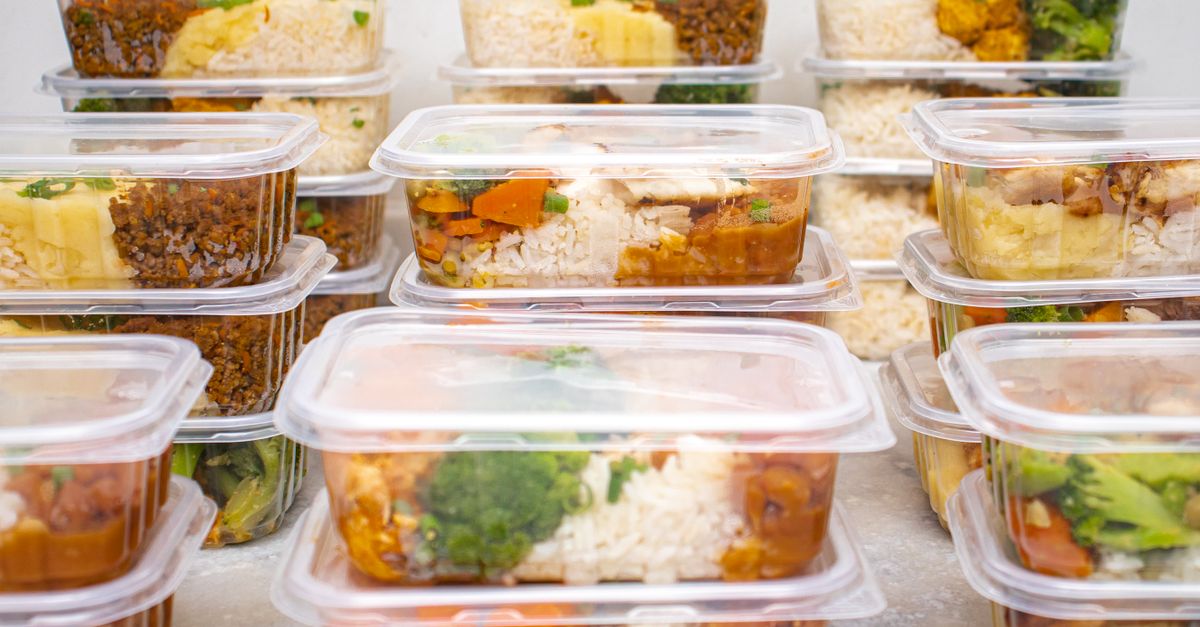
Meal prep for health is more than just batch cooking; it’s a system that aligns with each family member’s tastes, nutritional needs, and schedule. In the following guide I break down how to build a flexible, vegetarian‑friendly framework, customize diet‑specific options, and streamline the process so every Sunday evening feels less like a chore and more like preparation for success.
1. Understand Your Family’s Dietary Landscape
Before you grab any ingredients, map out what each person requires or prefers. This clarity turns meal prep from guesswork into precision.
Key data points to collect:
- Allergies and intolerances (e.g., gluten, nuts)
- Caloric goals per day based on age, activity level, and weight objectives
- Macronutrient distribution preferences (high protein, low carb, balanced)
- Time constraints for cooking and eating each meal
- Food enjoyment levels – e.g., Ethan loves Mediterranean, Zachary prefers high‑protein snacks, Adela wants colorful plates
This inventory feeds directly into the next step—setting realistic meal prep goals that drive health outcomes.
2. Set Clear Meal Prep Goals for Health
Goals give direction and a yardstick to measure success. I treat each goal as a mini‑project with an actionable plan.
- Improve overall nutrient density by 20% within three months
- Reduce sodium intake below 1500 mg per day for the whole family
- Ensure at least two vegetarian meals per week to support plant‑based eating habits
- Cut prep time to under one hour on Sunday by using batch cooking and prep stations
- Implement a “no waste” policy—track leftover ingredients and repurpose them creatively
When goals are specific, measurable, attainable, relevant, and time‑bound (SMART), you can track progress without feeling overwhelmed.
3. Build a Balanced Vegetarian Meal Prep System
Vegetarian meal prep focuses on protein diversity, fiber, and micronutrient completeness. I lean on legumes, whole grains, nuts, seeds, and seasonal produce to keep the menu exciting.
Essential building blocks:
- Legume base: lentils, chickpeas, black beans—cook in bulk for soups, stews, or salads
- Whole grain foundation: quinoa, farro, brown rice—pre‑cooked and portioned into containers
- Protein boosters: tofu, tempeh, edamame, Greek yogurt (if dairy‑tolerant)
- Veggie variety: kale, carrots, bell peppers, zucchini—sauté or steam in batches
- Healthy fats: avocado, olive oil, nuts—add as finishing touches to keep meals satisfying
The key is modularity: create a “base” (legume + grain) and mix in different veggies and sauces each day. This keeps the menu fresh while reducing prep time.
4. Customize Diet‑Specific Meal Prep (Keto, Paleo, Gluten‑Free)
When family members follow specialized diets, a layered approach works best—maintain a core vegetarian framework and overlay diet rules.
- Keto: swap grains for cauliflower rice, use coconut milk in sauces, and add high‑fat nuts
- Paleo: replace legumes with leafy greens, use almond flour for thickening soups, and include lean meats or eggs if tolerated
- Gluten‑Free: ensure all grains are certified gluten‑free, check spice blends for hidden wheat, and keep cross‑contamination zones separate during prep
- Low‑Sodium: use herbs, citrus zest, and fermented sauces to flavor without salt
- Allergy‑Friendly: create a “clean” station for nut‑free or dairy‑free items with dedicated utensils
This stratified method lets me serve the same base meal while meeting diverse dietary constraints.
5. Practical Steps to Set Up a Weekly Meal Prep Routine
A streamlined routine reduces decision fatigue and keeps the process predictable.
- 1️⃣ Plan menus on Monday: choose recipes, create a shopping list, and allocate prep times for each day
- 2️⃣ Shop smart on Tuesday: buy in bulk where possible, use Amazon Fresh for perishables, and order specialty items ahead of time
- 3️⃣ Prep on Wednesday: chop vegetables, cook grains, roast proteins—store in separate containers to maintain freshness
- 4️⃣ Assemble meals Friday: combine base components, season, portion into labeled jars or vacuum‑sealed bags
- 5️⃣ Final touch Sunday evening: reheat, add fresh toppings (cheese, salsa), and distribute to family members
The routine can be adjusted for weekend activities; the key is consistency.
6. Time and Cost Management Tips
Balancing budget with nutrition requires smart sourcing and efficient use of kitchen tools.
- Bulk buying: purchase grains, beans, and nuts in 5‑lb bags—cheaper per ounce
- Seasonal produce: aligns with lower prices and higher nutrient content; keep a seasonal calendar
- Multi‑use equipment: an Instant Pot or air fryer can replace several appliances, saving counter space and energy
- Meal batching: cook large portions then freeze individual servings—reduces daily cooking time
- Track expenses: use a simple spreadsheet to log weekly spend versus goal; adjust buying habits accordingly
When I switched from single‑item grocery trips to one comprehensive shop per week, my food budget dropped by roughly 15% while meal quality improved.
7. Common Mistakes in Family Meal Prep and How to Avoid Them
Even seasoned planners stumble; recognizing pitfalls prevents wasted time and resources.
- Over‑planning: too many recipes lead to clutter—stick to a core menu of 3–4 meals per week
- Ignoring storage limits: overfill containers; use stackable, airtight jars instead of bulky plastic bags
- Neglecting nutrition checks: confirm each meal meets protein and fiber targets by using a simple spreadsheet or app
- Inadequate labeling: always include date and contents—helps avoid food waste
- Underestimating prep time: add a buffer of 10–15 minutes per task; rushing leads to mistakes and frustration
8. Leveraging Technology for Personalized Meal Services
Apps can automate portions, track macros, and suggest recipes based on preferences—great for families juggling multiple diets.
- Meal‑planning apps: Paprika, Yummly, or MyFitnessPal allow recipe import and grocery list generation
- Smart appliances: a smart oven can preheat based on app instructions, saving manual checks
- Voice assistants: use Alexa routines to remind you of prep steps or to pull up nutrition facts while cooking
- Data integration: sync grocery receipts with budgeting apps to track spending automatically
- Community sharing: join family groups on the app to swap recipes and troubleshoot timing issues
Integrating these tools turns “personalized meal services” from a luxury into a daily reality for any household.
Key takeaway: A successful meal prep system is built on clear dietary data, realistic goals, modular vegetarian foundations, and technology that keeps the process efficient and waste‑free.In my experience, establishing a single weekly cycle—plan, shop, prep, assemble—cuts chaos by 70% and gives family members confidence in what’s cooking each day. The result is healthier meals, less grocery spend, and more time for real bonding.
9. Embracing Seasonal Rotation for Freshness and Variety
Seasonal rotation keeps menus exciting while taking advantage of price peaks and nutrient surges. Pair spring greens with early‑summer berries, then transition to hearty root vegetables in the fall. A simple calendar that maps produce availability can be printed on the fridge or saved as a photo on your phone, ensuring you always choose the freshest options.
10. The Art of Batch Cooking: Techniques that Preserve Flavor
Batch cooking is more than making large quantities; it’s about maintaining texture and taste. Cook grains just until al dente so they don’t become mushy when reheated, and toss sautéed vegetables with a splash of olive oil or a quick vinegar glaze to lock in moisture. For proteins, use a sous‑vide or low‑heat oven method that keeps them tender, then cool and store separately to avoid sogginess.
11. Turning Meal Prep into Family Bonding Time
Assign age‑appropriate tasks: toddlers can wash veggies, teens can measure spices, and adults can coordinate timing. Rotate roles each week so everyone feels invested. A shared meal prep session not only distributes the workload but also teaches children practical cooking skills and fosters a sense of ownership over what they eat.
12. Visual Portion Control: A Simple Guide to Balanced Plates
The 4‑section plate method is a visual tool that simplifies portioning: one quarter protein, one quarter veggies, one quarter grains or starches, and the remaining quarter fruit or dairy. Use color‑coded containers—green for greens, orange for proteins—to quickly identify portions while you’re assembling meals. A small ruler can also help gauge serving sizes for items like nuts or cheese.
13. Tracking Nutritional Progress Without Overcomplication
Instead of obsessing over every macro, set a weekly checkpoint: review the nutrient dashboard in your preferred app and note any gaps (e.g., iron deficiency). Adjust next week’s menu accordingly—add lentils or spinach for iron, sprinkle pumpkin seeds for zinc. This cyclical feedback loop ensures continuous improvement without daily micromanagement.
What part of your family's meal prep routine could benefit most from a structured plan or tech integration?


