
How can I create an efficient weekly vegan meal prep plan that saves time and money?
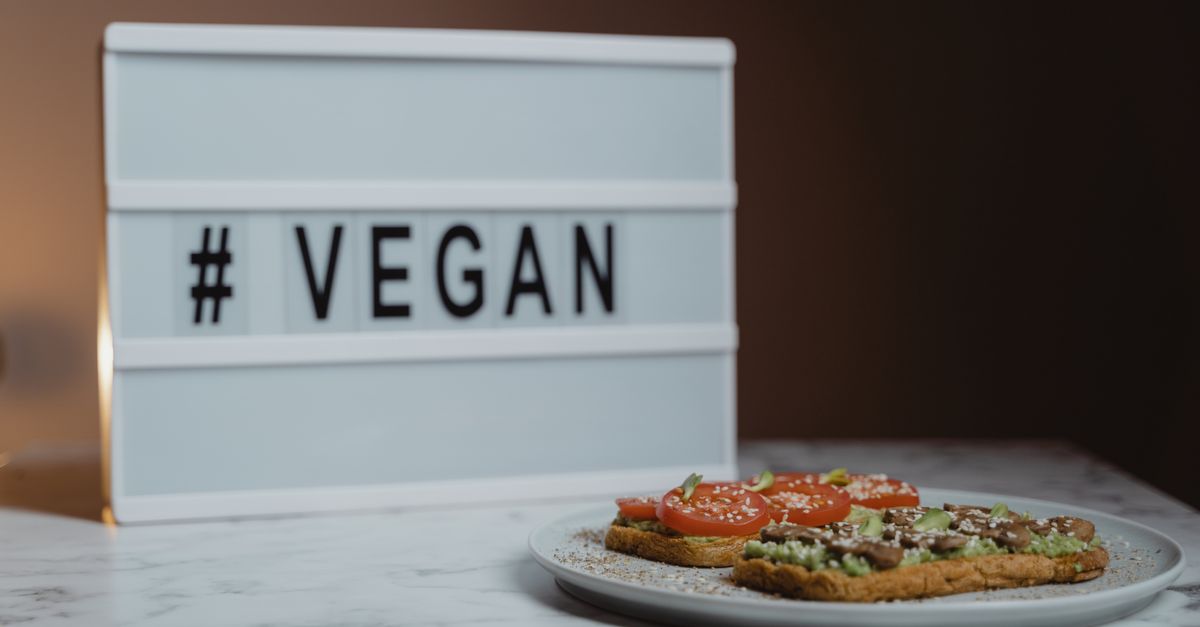
Meal prep guidance is essential when you want to maintain healthy eating habits without sacrificing your schedule. The challenge of keeping a balanced vegan diet while managing work, family, and personal projects can be overwhelming. By following a structured approach, you can develop a weekly meal plan that delivers ready-to-eat meals, saves money, and supports your health goals.
Beyond the obvious convenience, a well‑planned vegan meal prep routine also helps reduce food waste, lowers grocery bills, and gives you more mental space to focus on other priorities. When you know exactly what’s in your fridge and pantry each day, the daily decision fatigue that often leads to impulse buying or last‑minute takeout disappears.
1. Clarify Your Objectives
Before buying groceries or chopping veggies, ask yourself: What am I trying to achieve? Common objectives include:
- Maintain consistent protein intake for muscle repair after workouts.
- Ensure each meal contains a balance of macronutrients and micronutrients.
- Reduce cooking time during the week.
- Minimize food waste and grocery costs.
Writing down these goals provides a roadmap for every decision in the prep process. In my experience, clarity reduces last‑minute scrambling and keeps me focused on what matters most.
Setting SMART Goals
To make your objectives actionable, frame them as Specific, Measurable, Achievable, Relevant, and Time‑bound (SMART). For example:
- Specific: “I will consume 80 g of plant protein per day.”
- Measurable: Use a food scale or measuring cups to track portions.
- Achievable: Choose recipes that fit within your budget and cooking skill level.
- Relevant: Align with your fitness or health targets.
- Time‑bound: “I will review my plan every Sunday night.”
2. Equip Your Kitchen with the Right Tools
An efficient prep routine depends on having the right equipment. Invest in items that streamline cooking:
- Large stock pot or Dutch oven – Ideal for soups, stews, and sauces.
- Food processor or high‑speed blender – For purees, dips, and quick smoothies.
- Silicone baking mats & reusable containers – Reduce plastic use and keep portions tidy.
- Thermometer and timer – Ensure food safety and consistent results.
I’ve found that a good set of high‑quality tools turns prep from chore to almost enjoyable. The initial cost is offset by the time saved over months.
Kitchen Workflow Tips
Arrange your workspace so ingredients you’ll use most often are within arm’s reach. Store cutting boards next to knives, keep spices in a small drawer for quick access, and label containers with both contents and date. This simple organization reduces the time spent searching for items during busy prep sessions.
3. Design a Balanced Meal Template
Creating a template ensures each meal aligns with your nutritional goals. A typical vegan plate follows the 4:2:1 ratio: four parts vegetables, two parts protein, one part healthy fat. Use this as a checklist when building recipes.
Key Nutrient Components List
For each meal, confirm you’ve covered:
- Protein sources: lentils, chickpeas, tofu, tempeh, seitan, edamame.
- Complex carbs: quinoa, brown rice, sweet potatoes, oats.
- Healthy fats: avocado, nuts, seeds, olive oil.
- Vegetables: leafy greens, cruciferous veggies, root vegetables.
- Micronutrients: iron (spinach), calcium (fortified plant milks), B12 (supplement).
This framework helps you assemble meals that are both satisfying and nutritionally complete. If your calorie needs are higher, simply increase the protein portion or add a side of nuts.
4. Map Out Your Weekly Menu
Select a core set of recipes that can be rotated each week. Aim for 7–10 distinct dishes to keep variety high while limiting the number of unique ingredients.
- Breakfast: Overnight oats with berries and chia seeds.
- Lunch: Quinoa salad with roasted veggies and tahini dressing.
- Dinner: Lentil curry, brown rice, steamed broccoli.
- Snacks: Hummus with carrot sticks, mixed nuts.
When you have a fixed menu, grocery shopping becomes streamlined. In my experience, pre‑planning prevents impulse buys that often derail a budget.
Sample Weekly Rotation
To avoid repetition while keeping prep efficient, pair recipes with complementary ingredients. For example, use the same batch of roasted sweet potatoes for both dinner and a side salad, or make extra hummus to use across two meals. This strategy maximizes ingredient utilization and cuts down on waste.
5. Optimize Grocery Shopping
Batch buying staples reduces unit cost and ensures you always have essentials on hand:
- Buy grains and legumes in bulk; store them in airtight containers.
- Choose frozen produce for seasonal variety and longer shelf life.
- Shop at farmers' markets or co‑ops for fresh, affordable veggies.
- Use a price comparison app to track the best deals on staples.
By aligning purchases with your menu, you avoid overbuying perishables that end up wasted. This strategy directly supports healthy meal planning and reduces grocery bills.
Timing Your Shopping Trips
Plan one major shopping trip each week, preferably on a day when you have the most time—often Sunday afternoons or evenings. Make a list organized by aisle to speed up checkout, and stick to it. If you notice recurring items that never get used, consider reducing their quantity for the next cycle.
6. Batch Cooking Workflow
Batch cooking is the heart of efficient meal prep. Follow a three‑step flow:
- Pre‑prep: Wash, chop, measure ingredients before the actual cooking begins.
- Cook & Assemble: Prepare proteins and grains simultaneously; combine with sauces or dressings.
- Cool & Store: Let foods reach room temperature before refrigerating or freezing.
Use a color‑coded system for containers: green for ready meals, yellow for ingredients that need further cooking. I’ve found this reduces confusion and saves time during busy weekdays.
Batch Cooking Checklist
- Gather all equipment and workspace.
- Prepare a master cutting board to avoid multiple clean‑ups.
- Set timers for each cooking stage to keep everything on schedule.
- Assemble sauces in separate jars; they can be frozen individually.
7. Maintain Freshness of Ready‑to‑Eat Meals
The longevity of prepared foods depends on storage conditions:
- Keep cooked grains in the refrigerator for up to 4 days; freeze portions for longer shelf life.
- Avoid overfilling containers—air circulation prevents condensation and spoilage.
- Label each container with date and meal name.
- Reheat only the portion you’ll consume, using a microwave or stovetop to preserve nutrients.
When meals stay fresh longer, you’re less likely to order takeout—a major cost saver and a healthier choice.
Fridge Organization Hacks
Place the most perishable items (e.g., salads, sliced fruit) on top of the fridge door for easy access. Store cooked proteins in clear containers so you can see them at a glance. Keep sauces separate to avoid sogginess and use small silicone lids that snap onto each container for extra sealing.
8. Common Pitfalls & How to Avoid Them
- Underestimating portion sizes: Use measuring cups or a kitchen scale to ensure each meal meets calorie targets.
- Lack of variety: Rotate recipes monthly; introduce new spices and sauces.
- Ignoring food safety: Maintain proper refrigeration temperatures (below 40°F) and reheating guidelines.
- Overreliance on convenience foods: Opt for whole, minimally processed items whenever possible.
Addressing these issues keeps your meal prep sustainable and aligned with healthy eating habits.
Staying Motivated Throughout the Plan
Set a weekly review session where you assess what worked and what didn’t. Celebrate small wins—like saving $20 on groceries or cutting down cooking time by 30 minutes—and adjust your plan accordingly. Sharing progress with a friend or online community can also provide accountability.
What’s the most challenging part of implementing a weekly vegan meal prep plan in your household?


