
How Can I Create Delicious Meal Prep That Saves Time and Keeps Me on Track?
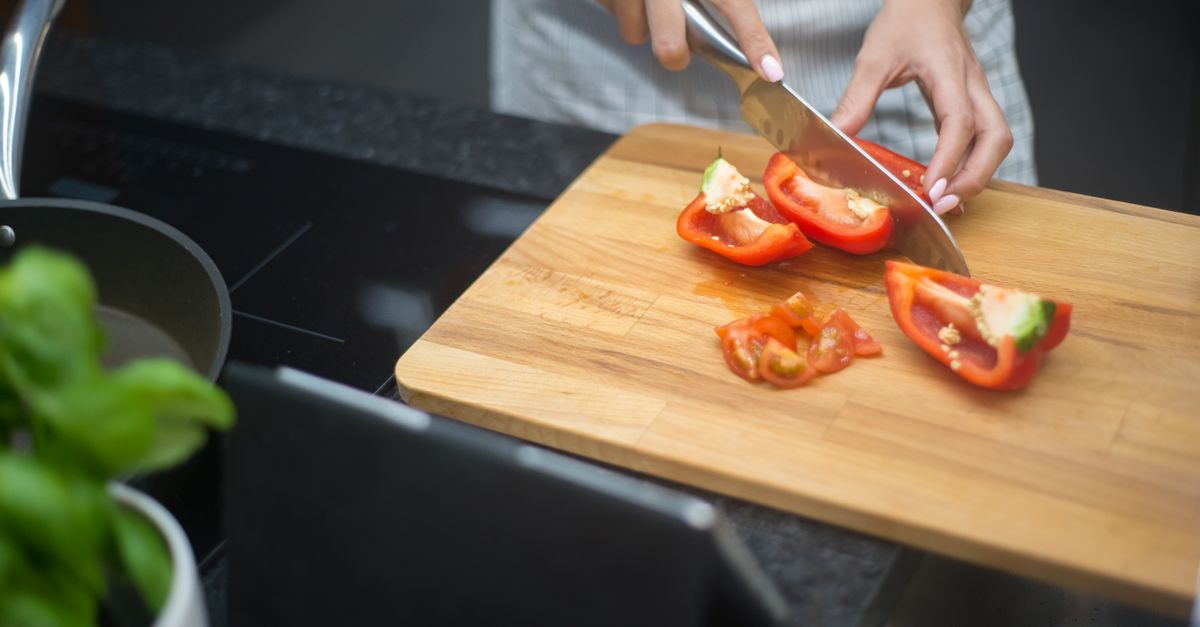
I’ve spent years building systems that eliminate friction. When it comes to food, the same principle applies: a well‑structured meal prep routine can save hours each week, keep nutrition on point, and give me more time for strategy, coding, or family adventures. The challenge is turning the idea of “meal prep” into a repeatable workflow that feels effortless rather than burdensome.
1. Why Meal Prep Matters for Busy Lifestyles
The core benefit of meal prep is predictability: you know what to eat, when to eat it, and how much you’ll consume. For professionals juggling meetings, code reviews, or client calls, this reduces decision fatigue. In my experience, I’ve seen that a structured approach lowers stress during hectic days. Additionally, meal prep supports consistent nutrition, which fuels focus and energy throughout the workday.
Key Advantages of Consistent Meal Prep
- Reduces daily cooking time by up to 60%
- Improves portion control and reduces food waste
- Encourages healthier eating habits through balanced menus
- Saves money by buying in bulk and minimizing takeout
- Creates a predictable routine that fits into tight schedules
- Lessens grocery shopping trips, allowing you to shop once per week instead of multiple times
When you view meal prep as a system rather than an extra chore, it becomes a strategic asset.
Practical Example: A Typical Busy Week
Imagine starting Monday with a protein‑rich breakfast that fuels your morning stand‑up. By Wednesday’s lunch, you’ve already consumed a balanced quinoa bowl that keeps blood sugar stable for the afternoon sprint. Friday’s dinner is pre‑seasoned, ready to roast while you wrap up the week’s code. This continuity frees mental bandwidth and eliminates last‑minute food decisions.
2. Laying the Foundation: Equipment & Storage Essentials
A successful meal prep plan starts with the right tools. I prefer simple, durable containers that keep food fresh for several days and are microwave‑safe for quick reheating. Stainless steel or BPA‑free plastic works well; avoid flimsy paper bags that compromise flavor.
Essential Gear Checklist
- Set of airtight glass or silicone containers (varying sizes)
- Sharp chef’s knife and cutting board
- Measuring cups & spoons for precision
- Label maker or waterproof markers
- A digital kitchen scale for accurate portions
By investing in high‑quality storage, you reduce cleanup time and keep meals tasting fresh.
Setting Up Your Prep Station
Arrange your kitchen counter so that everything needed for chopping, measuring, and cooking is within arm’s reach. Keep the cutting board near the sink, the scale on a stable surface, and containers organized by size in a drawer or cabinet. This layout eliminates unnecessary movements and speeds up the entire prep process.
If space is limited, consider stacking containers vertically in the fridge or using pull‑out drawers to keep frequently used items accessible. A small magnetic spice rack along the wall can free counter space while keeping seasonings within easy reach.
3. Crafting Balanced Menus That Deliver Delicious Meal Prep
Balancing macronutrients is key to sustaining energy across a busy week. I design menus around protein, complex carbs, healthy fats, and plenty of vegetables. Colorful plates also signal fullness and satisfaction.
Building Blocks of a Nutritious Menu
- Protein: chicken breast, tofu, beans, or lean beef
- Complex Carbs: quinoa, brown rice, sweet potatoes, oats
- Vegetables: leafy greens, bell peppers, broccoli, carrots
- Healthy Fats: avocado, nuts, olive oil, seeds
- Flavor Enhancers: herbs, spices, citrus zest, fermented sauces
The goal is variety without complexity—swap a protein source or veggie each week to keep meals interesting.
Sample Weekly Menu Overview
- Breakfasts: Overnight oats with chia seeds and berries; Greek yogurt parfait with nuts.
- Lunches: Rotating grain bowls (quinoa, farro) topped with grilled chicken or tempeh.
- Dinners: Sheet‑pan roast of salmon with asparagus; slow cooker beef stew with root vegetables.
- Snacks: Hummus with carrot sticks; homemade trail mix.
Each meal can be pre‑portioned into individual containers, ensuring you always have a balanced option ready to grab.
Macro‑Focused Adjustments
If you’re tracking macros for weight loss or muscle gain, simply tweak the protein-to-carb ratio in each container. A quick way is to add a scoop of whey protein into yogurt breakfasts or swap regular rice for cauliflower rice in grain bowls. This keeps your nutrition on target without extra prep time.
4. Time‑Saving Cooking Techniques That Scale
Batch cooking and one‑pot methods are the backbone of efficient meal prep. I use sheet pans, slow cookers, and Instant Pot® to maximize output while minimizing stovetop time.
Efficient Kitchen Strategies
- Sheet‑pan dinners: roast veggies and protein together in 30 minutes
- Slow cooker stews: set and forget for a hearty lunch the next day
- Instant Pot® pressure cooking: reduce cooking time by up to 70%
- Stovetop sauté: quick sear of vegetables with minimal oil
- Batch chopping: prep all veggies in one session and store in airtight bags
These methods allow me to generate multiple meals from a single batch, freeing up weekday evenings.
Step‑by‑Step Sheet‑Pan Dinner Example
- Preheat oven to 400°F (200°C).
- Arrange sliced sweet potatoes, broccoli florets, and diced chicken on a parchment‑lined sheet pan.
- Drizzle with olive oil, sprinkle paprika, salt, and pepper.
- Roast for 25–30 minutes, turning halfway through.
- Divide into containers; add a squeeze of lemon before sealing.
This simple routine produces a protein‑rich dinner that’s ready to reheat in minutes.
Instant Pot® Quick Stew
- Sauté onions, garlic, and diced beef in the sauté mode until browned.
- Add carrots, potatoes, broth, and seasonings; lock the lid.
- Cook on high pressure for 25 minutes, then quick‑release.
- Stir, taste, and add a splash of cream or herbs before serving.
The result is a comforting stew that can be portioned into several containers without loss of flavor.
5. Portion Control and Reheating Best Practices
Portioning is as important as cooking. Accurate servings prevent overeating and ensure each meal aligns with dietary goals. Reheating properly preserves texture and flavor.
Practical Tips for Portioning & Storage
- Use a kitchen scale to weigh individual servings (e.g., 3 oz protein, 1 cup veggies)
- Label containers with date and meal name for quick reference
- Reheat in the microwave on medium power; avoid overcooking
- Stir or flip halfway through reheating to promote even heating
- Store leftovers at room temperature for no more than 2 hours before refrigeration
Consistent portion sizes help maintain energy levels and support long‑term health.
Reheating Tips for Texture Preservation
- For grains: add a splash of water or broth, cover loosely, and microwave until steaming.
- For roasted vegetables: finish in a hot oven (about 375°F) for 5 minutes to restore crispness.
- For proteins: reheat on the stovetop with a small amount of oil; this prevents dryness.
6. Adapting Meal Prep to Evolving Life Situations
Life changes—travel, family gatherings, or sudden schedule shifts—require flexibility. The best meal prep system can pivot without losing its core efficiency.
Adjusting on the Fly
- Plan a “flex day” with easy‑assemble meals (e.g., wraps, salads)
- Use portable containers for business trips or outdoor outings
- Batch cook extra servings to accommodate unexpected guests
- Incorporate quick‑cook staples like frozen edamame or pre‑washed greens
- Keep a small pantry of spices and sauces to spice up any dish instantly
By building adaptability into the system, you keep meal prep from becoming a bottleneck during life’s surprises.
Travel‑Friendly Prep Ideas
- Pre‑portion protein salads in mason jars—layer dressing at the bottom to prevent sogginess.
- Pack single‑serving oatmeal packets with dried fruit; just add hot water on arrival.
- Use insulated lunch bags with ice packs for sandwiches or chilled soups.
7. Common Pitfalls and How to Avoid Them
Even with a solid plan, mistakes can creep in: spoilage, flavor fatigue, over‑cooking, or budget overruns. Recognizing these pitfalls early lets you correct course before they derail your routine.
Typical Mistakes & Fixes
- Spoilage – store foods in the coldest part of the fridge and rotate older items first
- Flavor fatigue – vary sauces, herbs, or citrus each week to keep taste fresh
- Over‑cooking – use a timer and monitor textures during batch cooking
- Budget blowout – buy seasonal produce in bulk and freeze portions for later
- Time drift – set a weekly review to adjust prep times and eliminate wasted minutes
Regular reflection ensures your meal prep stays efficient, enjoyable, and cost‑effective.
Spoilage Prevention Checklist
- Check the fridge temperature; it should stay between 35°F–40°F (1.7°C–4.4°C).
- Label each container with a “use by” date.
- Place items that need more time to cool before sealing.
- Keep a dedicated drawer for raw proteins separate from cooked meals.
8. Leveraging Technology for Meal Prep Support
Digital tools can streamline grocery shopping, recipe management, and nutritional tracking. I rely on a few apps that integrate seamlessly into my workflow.
Essential Apps & Platforms
- Grocery delivery services (Instacart, Amazon Fresh) for time‑saving ordering
- Recipe managers (Paprika, Yummly) to organize favorites and grocery lists
- Calendar integration to schedule prep days and reminders
- Nutrient trackers (MyFitnessPal, Cronometer) to monitor macros
- Batch cooking calculators that estimate total prep time and yield
When combined with a solid physical system, technology amplifies consistency and reduces manual effort.
Using Calendar Reminders Effectively
- Create a recurring “Prep Night” event on Friday evenings.
- Add sub‑tasks: grocery list review, ingredient prep, cooking block, packaging.
- Set notifications 15 minutes before each task to keep momentum.
Recipe Scaling Features
Most recipe managers allow you to adjust servings. This function recalculates ingredients automatically, saving time that would otherwise be spent measuring manually for larger batches.
If you prefer a spreadsheet approach, simply copy the ingredient list and multiply each quantity by your desired batch size. Many users find this method gives them granular control over portion sizes and cost per meal.
The most powerful insight: treat meal prep like any other critical business process—design it for repeatability, measure its outcomes, and iterate continuously. What’s the single change you’d make to your current meal prep routine that could save the most time?


