
How Can I Make Meal Prep Easy and Time-Saving in 2026?
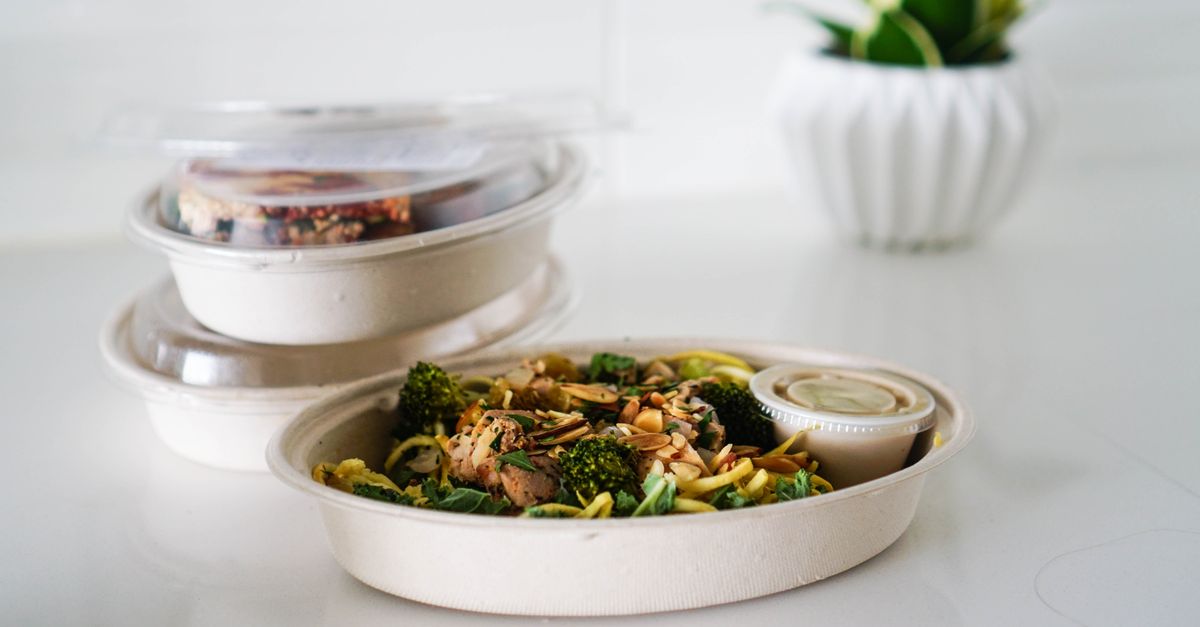
I’ve spent years optimizing systems—whether it’s an app or a logistics chain—and the same principles apply to cooking. By creating a weekly meal plan that saves hours, keeps nutrition high, and fits into a hectic schedule, you can turn dinner prep from a chore into a quick, predictable task.
Why Meal Prep Matters for Your Health and Wallet
When juggling three kids, full‑time work, and two hungry dogs, I realized that spending 30 minutes each night assembling dinner wasted energy better spent on product development or family time. Preparing meals ahead reduces cooking from an hour-long event to a quick assembly on the stove, freeing hours for work and play.
Healthy meal prep offers predictable portions and balanced macros, cuts impulse snacking, and controls grocery spending. If you’re looking for Meal prep ideas, aim each week for three proteins, two vegetables, and one whole grain or legume.
The result is fewer late‑night takeout orders, lower food waste, and steady nutrient intake that supports energy throughout the day. Seasonal produce can boost micronutrients without raising costs. Tracking grocery bills before and after a structured plan often shows a 15–20 % reduction in perishable spending.
Setting Up Your Kitchen for Success
A well‑organized kitchen is essential. Keep pots, pans, cutting boards, and storage containers within sight so you spend less time hunting for tools.
Essential Equipment Checklist
- Large cutting board(s) – prevents cross‑contamination between raw meats and fresh produce.
- Sharp chef’s knife set – cuts faster, reduces fatigue.
- Mandoline or peeler – uniform slices cook evenly and save time on carrots or zucchini.
- Measuring cups & spoons – ensures consistent flavor across batches.
- Mixing bowls of various sizes – separate raw ingredients, sauces, finished portions.
- Instant‑pot or slow cooker – handles rice, beans, stew with minimal supervision.
- Airtight containers (glass or BPA‑free plastic) – keep food fresh and are dishwasher safe.
- Label maker or waterproof marker – prevents mix‑ups and tracks cooking dates.
- Refrigerator storage bins – organize prepped ingredients by type.
- Freezer bags & vacuum sealer (optional) – extends shelf life and saves space.
With these tools, you can perform wash, chop, cook, portion, and store in one pass. They turn the kitchen into an efficient assembly line rather than a chaotic workspace.
Planning Your Weekly Menu
The key to easy meal prep is a repeatable template. I use a spreadsheet or note app to map meals each day, ensuring variety while avoiding repetitive flavors that lead to boredom.
Create a “meal wheel”: rotate proteins (chicken, beef, tofu, fish), carbs (rice, quinoa, sweet potato), and vegetables (spinach, broccoli, peppers). Add one or two sauces per week for extra flavor without extra prep. For example, pair grilled chicken with lemon‑herb drizzle over quinoa; swap the protein next day for baked salmon with basil pesto.
Consider family preferences: Ethan enjoys a structured menu, Zachary needs high‑energy foods for basketball practice, and Adela loves colorful plates. Align meals with daily activities to reduce resistance to healthy choices.
A sample layout:
| Day | Breakfast | Lunch | Dinner |
|---|---|---|---|
| Mon | Greek yogurt with berries | Turkey & spinach wrap | Stir‑fry tofu + brown rice |
| Tue | Oatmeal topped with almonds | Quinoa salad with chickpeas | Baked salmon + roasted broccoli |
| Wed | Protein smoothie | Chicken & avocado bowl | Pasta primavera |
| Thu | Whole‑grain toast with peanut butter | Veggie burger on whole wheat bun | Lentil soup + side salad |
| Fri | Scrambled eggs & spinach | Leftover pasta primavera | Beef chili with cornbread |
| Sat | Cottage cheese with pineapple | Grilled veggie sandwich | Stir‑fry shrimp + quinoa |
| Sun | Whole‑grain pancakes | Chicken & vegetable soup | Roast turkey + sweet potato mash |
This framework keeps preparation straightforward while ensuring each day offers a balanced mix of macros and flavors.
Shopping List Strategy
A detailed list prevents impulse buys and ensures you have everything on hand. Divide it into proteins, grains, vegetables, fruits, dairy/plant alternatives, pantry staples, and condiments.
Smart Shopping Tips
- Shop the perimeter for fresh produce and meats—fewer processed items.
- Buy in bulk when on sale; freeze extras to reduce waste and save money over time.
- Use seasonal produce for lower cost and better flavor; local farmers’ markets often offer fresher options at lower prices.
- Consider pre‑washed or pre‑cut veggies to cut prep time, weighing the cost against your budget.
- Check expiration dates carefully; plan meals around perishable items first.
- Keep a “quick snack” bin in the fridge—yogurt tubes, grapes, hummus packs are ideal.
Following this structure keeps shopping to 45 minutes each week and avoids last‑minute trips. Freezing sale items lets you cook from your freezer stash on “cheat days,” keeping the routine flexible.
The Core Prep Workflow
Batch Cooking Basics
I reserve one day—usually Sunday—for most cooking. The process is: wash, chop, cook, cool, portion, store. I use a large pot for soups or stews, the instant‑pot for rice, and sheet pans for roasted veggies.
A typical timeline:
- Morning (7–8 am) – Season chicken breasts, bake; add vegetables to the same tray.
- Mid‑morning (9–10 am) – Cook grains on stove or instant‑pot while oven preheats.
- Late morning (10–11 am) – Assemble salads and bowls, label containers.
- Afternoon (1–2 pm) – Prepare sauces or dressings; store refrigerated for up to five days.
Portion Control & Storage
Accurate portions keep calories in check and prevent waste. I weigh each container before sealing, noting the weight on the label—for example, a 4‑oz chicken breast equals roughly 120 calories.
Label with meal name, date, and cooking time (“Chicken & Quinoa Bowl – 12/14/26 – 45 min”). For freezer items, include a “freeze” date to use within optimal shelf life.
Cool cooked grains quickly on a tray to prevent condensation; then transfer to airtight containers. Refrigerated grains stay fresh for 4–5 days.
Time‑Saving Hacks and Tools
Technology can shave minutes off prep time. Key gadgets include:
Must‑Have Prep Gadgets
- Instant‑pot or multi‑cooker – simultaneous rice, beans, protein.
- Air fryer – quick roasted veggies without preheating the oven.
- Smart blender – smoothies that double as breakfast or post‑workout drinks.
- Reusable silicone bags – portion snacks; no single‑use plastic.
- Digital timer with multiple alarms – track cooking stages to multitask without forgetting a simmer.
Additional useful tools:
- Food processor – purees soups or makes nut butter.
- Thermometer – ensures proteins reach safe temperatures.
- Spice grinder – fresh spices elevate simple meals without extra prep.
These tools reduce hands‑on time and let you focus on other priorities while meals cook. Pairing them with a meal‑planning app that syncs recipes and grocery lists further streamlines the process.
Quick Fixes for Busy Days
No matter how well you plan, emergencies happen. Keep “go‑to” options ready:
- Frozen pre‑cut veggies – steam or sauté quickly; toss into a hot pan for 3–4 minutes.
- Pre‑made sauces – store in glass jars; rehydrate with water or broth before serving.
- Ready‑to‑eat salads – pack dressing separately; use mason jars to keep layers crisp.
- Protein packs – cooked chicken or tofu in airtight bags thaw in minutes; heat in microwave or skillet.
If short on time, reheat a lentil soup and pair with a fresh side salad. Or toss frozen broccoli florets with olive oil and garlic for a quick stir‑fry under five minutes.
Troubleshooting Common Mistakes
Even meticulous planners encounter hiccups. Avoid these pitfalls:
- Overcooking proteins – use a thermometer: chicken 165°F, beef 145°F, tofu until steaming.
- Flavor loss over time – add fresh herbs or citrus zest before serving to refresh dishes.
- Uneven cooling – spread hot food on a tray; quick cooling prevents condensation and texture changes.
- Mold in the fridge – store foods below 40°F, avoid leaving liquids exposed, and separate raw from cooked items.
A small “checklist” on your fridge—just a few reminders—keeps you vigilant throughout the week.
Scaling Up for Family or Team Meals
When feeding more people, adjust portion size rather than recipe. Multiply ingredients by 1.5x or 2x and use larger cookware.
For team meals, consider communal dishes like chili or lasagna that can be reheated in individual portions, saving time on cooking and serving.
Use the “mise en place” approach—pre‑measure all ingredients before starting. When scaling up, you’ll notice less mess and fewer mistakes because everything is ready at hand.
Key takeaway: Consistency in prep workflow, storage labeling, and smart tools transforms meal prep from a chore into an efficient system.I’ve spent countless evenings turning kitchen chaos into structured efficiency. By following these steps—planning, strategic shopping, batch cooking, leveraging gadgets, and troubleshooting—I’ve turned time-saving meals into a daily reality that supports my family’s health without compromising our schedule. The extra free time has allowed me to attend more client meetings, spend quality moments with my kids, and find minutes for meditation before bed.
What is your biggest challenge when trying to keep meal prep simple and healthy?


