
How Can I Pick a Meal Subscription Plan That Fits My Healthy Lifestyle?
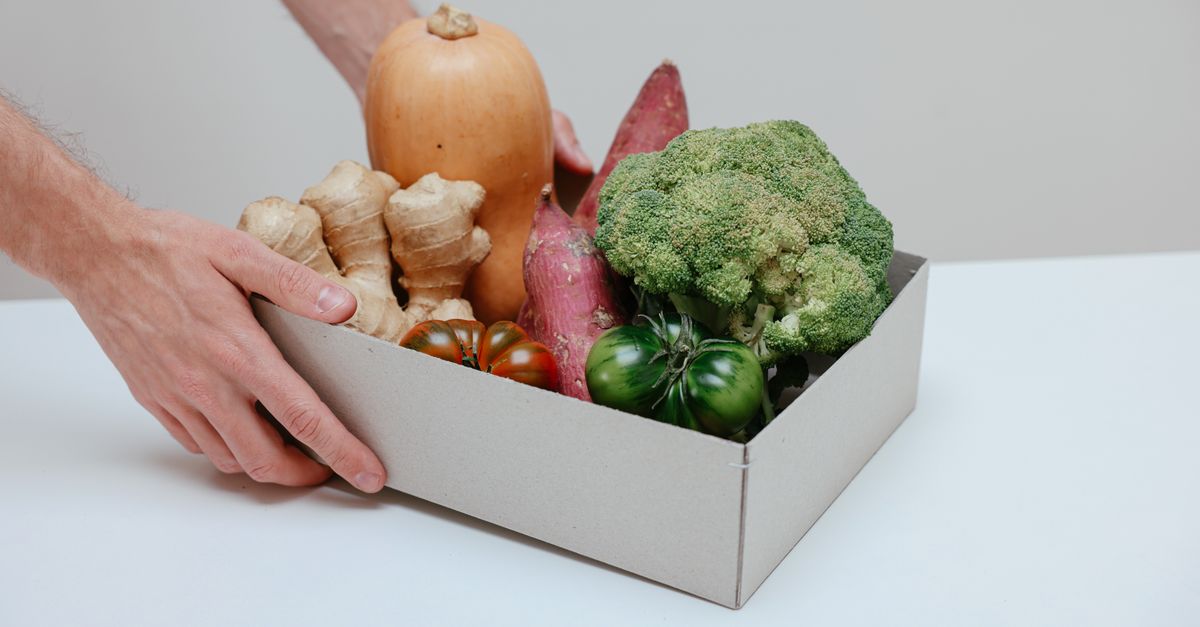
I’m constantly juggling work, family time with my three kids, and keeping the dogs in line. The last thing I want is to spend hours grocery shopping or cooking every night. That’s why I’ve been testing meal subscription plans as a convenient solution for healthy eating habits while still enjoying home‑cooked meals on weekends.
Why Meal Subscription Plans Are Trending
Meal subscription services have exploded in popularity because they address three core pain points: time, nutrition, and variety. For busy parents like me, the promise of a ready‑to‑cook or ready‑to‑eat meal that meets dietary goals is hard to ignore.
When I first tried a plan, I noticed how quickly my kitchen became a hub for family meals instead of a source of stress. The service delivered fresh ingredients and pre‑measured portions right to our door, eliminating the need for multiple trips to the grocery store.
This convenience translates into healthier lifestyle meals because you’re less likely to resort to takeout or processed foods when you have a balanced option waiting in the fridge.
Market Momentum
The U.S. meal kit market grew from $2.8 billion in 2017 to over $10 billion in 2024, reflecting a shift toward on‑demand nutrition. A recent survey found that 68% of consumers cited “time savings” as the primary reason for subscribing, while 55% highlighted “healthy ingredients” and 47% mentioned “new recipe discovery.” These numbers underscore why meal plans are now a staple in many households.
Key Benefits of Meal Subscription Plans
- Time savings on meal prep and shopping: With pre‑portioning, you skip the grocery list phase and spend less than 10 minutes assembling ingredients before cooking.
- Nutrition tracking built into each recipe: Most platforms provide a macro breakdown—protein, carbs, fats—and allow you to set daily targets that sync with fitness trackers.
- Reduced food waste with portion‑controlled ingredients: By receiving only what the recipe needs, you avoid leftovers that might end up in the trash.
- Variety that keeps me from getting bored with the same dishes: Weekly rotating menus introduce new flavors and cooking techniques, keeping meals exciting for both adults and kids.
Comparing Meal Subscription Plans to Home‑Cooked Meals
Home‑cooked meals are often seen as the gold standard for nutrition because you control every ingredient. However, they also demand a significant time commitment and planning effort. In contrast, meal plans provide pre‑portioning and recipe cards that streamline the process.
I’ve found that many families can combine both approaches: use a subscription during the workweek, then switch to fully home‑cooked meals on weekends for family bonding time.
The trade‑off is cost. Subscription services typically cost more per meal than buying ingredients in bulk, but you offset this with savings from reduced grocery trips and less waste.
Pros & Cons Snapshot
- Subscription Pros: convenience, nutrition guidance, portion control.
- Subscription Cons: higher per‑meal cost, limited flexibility on last minute changes.
- Home‑Cooked Pros: full control over ingredients, lower long‑term cost.
- Home‑Cooked Cons: time intensive, potential for food waste if not planned.
When to Lean on Each Option
If you’re a single professional with limited kitchen skills, meal kits can act as a learning tool—each recipe teaches new techniques. Conversely, if you enjoy the ritual of cooking and have a budget that prioritizes bulk buying, a hybrid approach lets you keep costs down while still reaping the benefits of curated menus.
How to Choose the Right Plan for Your Lifestyle
The first step is defining your primary goal. Are you looking to lose weight, maintain muscle mass, or simply eat more vegetables? Once that’s clear, match it with a plan that aligns with those objectives.
I use a simple decision matrix: list your priorities (time, nutrition, budget, variety) and score each available service against them. A high total indicates the best fit for you.
Don’t forget to read user reviews and look at sample menus before committing. Many services offer trial weeks that let you test without long‑term commitment.
Your Decision Matrix
- Time Saved (1–5)
- Nutritional Balance (1–5)
- Cost per Meal (1–5, lower is better)
- Menu Variety (1–5)
- Ease of Delivery (1–5)
Step‑by‑Step Selection Process
- Identify your main goal: weight loss, muscle gain, or balanced nutrition.
- Set a weekly budget: calculate how much you’re willing to spend per meal.
- Compile a list of must‑have features: keto-friendly, gluten‑free, no added sugars, etc.
- Score each service against the matrix: use a spreadsheet for transparency.
- Order a trial week: evaluate taste, prep time, and delivery reliability.
Customizing Nutrition Within a Subscription
Most services let you pick from dietary preferences: keto, paleo, vegan, gluten‑free, or high‑protein. I prefer plans that allow me to tweak macros for each meal so my kids can have balanced plates while I hit my protein targets.
If the plan offers a “chef’s choice” option, use it sparingly—often those meals are less tailored and may not fit your family’s taste profile.
Always check the ingredient list for hidden sugars or sodium spikes. Even healthy‑looking meals can be counterproductive if they’re loaded with additives.
Macro Customization Tips
- Choose protein‑rich options for post‑workout recovery.
- Opt for whole grains when you need sustained energy.
- Limit added sugars in desserts or side dishes.
- Select low‑sodium sauces if you’re watching blood pressure.
Real‑World Example: Adjusting a Keto Meal
If the standard keto recipe lists 12 g of net carbs per serving, I add a handful of sautéed spinach (1 g net carbs) and swap the side of rice for cauliflower mash. This keeps the carb count under 10 g while adding fiber.
Budgeting and Cost Analysis
A common misconception is that meal plans are always expensive. In reality, they can be cost‑effective when compared to average grocery bills for families with similar dietary needs.
I calculate the weekly cost by dividing the total subscription fee by the number of meals provided. Then I compare this figure to my usual per‑meal spend on groceries plus cooking fuel.
Don’t forget to factor in savings from reduced impulse purchases and less waste—these can offset the nominal higher price.
Cost Breakdown Example
- Subscription: $120/week for 5 meals = $24/meal.
- Average grocery cost per meal: $15.
- Estimated savings from reduced takeout: $10/month.
- Total net benefit: $9/meal over a month.
Adding a “Savings Tracker” to Your Routine
Create a simple spreadsheet that records the cost of each meal kit and compares it with your regular grocery spend. Over time, you’ll see whether the subscription truly saves money or if switching back to bulk buying is more economical for certain dishes.
Integrating Meal Plans into Healthy Eating Habits
A subscription alone won’t guarantee healthy habits. It’s the framework that supports your daily choices. I pair it with a meal‑planning calendar to ensure variety and avoid monotony.
Set aside one night per week for “family cooking” where we rehearse new recipes or tweak existing ones. This keeps everyone engaged and reinforces the habit of eating balanced meals.
Use portion control tools—measuring cups, a kitchen scale—to keep macros in check, especially when you’re feeding teenagers who might overeat.
Habit‑Building Checklist
- Schedule weekly meal prep sessions.
- Create a rotating menu to avoid repetition.
- Track nutrient intake with an app or spreadsheet.
- Encourage kids to help with cooking for ownership of food choices.
Leveraging Technology for Accountability
Apps like MyFitnessPal sync with many meal kit platforms, allowing you to log each meal automatically. Setting daily macro goals in the app provides instant feedback on whether a particular meal aligns with your plan.
Practical Tips for Maximizing Convenience Without Compromising Nutrition
Storage is a major factor. I keep my freezer organized by meal type—pasta, protein, veggie packs—so I can grab what I need quickly. Label everything with dates to avoid spoilage.
If you’re short on prep time one night, use the “prep‑in‑advance” feature offered by many services: pre‑chopped veggies that only require quick sautéing or baking.
Finally, keep a small pantry of staples—olive oil, spices, canned beans—to add flavor without extra cost. A little seasoning can transform a bland dish into something exciting.
- Freeze individual portions for single‑serving meals.
- Use a slow cooker or instant pot to reduce active cooking time.
- Keep a spice rack handy to elevate simple proteins.
- Set up a “grab‑and‑go” drawer with pre‑measured snacks.
I’ve seen my kids’ enthusiasm rise when they see the fridge stocked with ready‑to‑heat meals—they’re more likely to eat what’s there instead of opting for vending machine snacks.
Organizing the Kitchen Workflow
Designate a “prep zone” where all ingredients are spread out before cooking. This reduces kitchen clutter and ensures you don’t waste time searching for items during the actual prep process.
What’s your biggest challenge when integrating a meal subscription into a busy family schedule?


