
How Can I Plan Sustainable Meal Prep for My Family and Athletes in 2026?
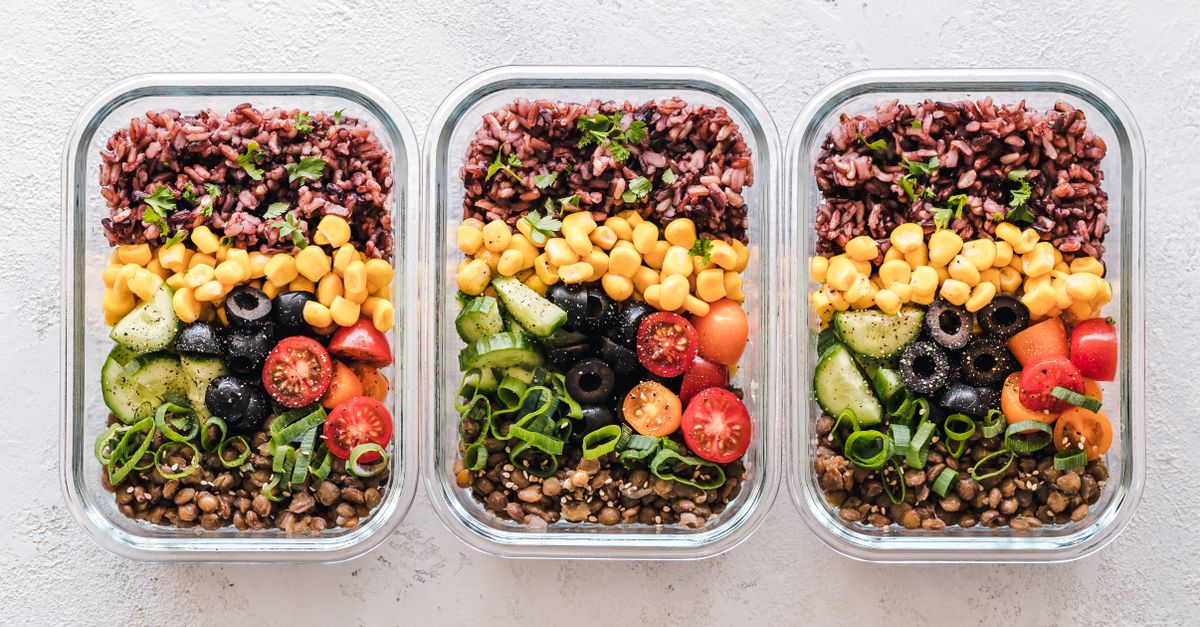
I’ve spent years building systems that turn chaos into order. When it comes to feeding a household of five—two teenage sons, an eight‑year‑old daughter, and the occasional guest—I’ve discovered that a well‑structured meal‑prep routine saves time, money, and stress. This guide walks you through the steps to create sustainable, fresh, and athlete‑ready meals while keeping your budget in check.
1. Build Your Weekly Meal Prep Calendar
Start by mapping out your week before you hit the grocery store. Treat this as a project schedule: identify key milestones, set deadlines, and allocate resources—ingredients, prep time, and storage.
Checklist for a Robust Calendar
- Identify meal types: Breakfast, lunch, dinner, snacks.
- Set prep days: Choose one or two days that fit your work schedule (e.g., Sunday and Wednesday).
- Assign themes: Rotate protein sources—chicken on Mondays, beans on Tuesdays—to avoid monotony.
- Allocate time blocks: 2‑hour window for cooking, 30 minutes for packaging.
- Include buffer slots: For last‑minute changes or unexpected guests.
In my experience, a visual calendar on a whiteboard or digital tool like Google Calendar keeps everyone accountable and reduces the “where do we cook this week?” debate that drains family morale. Adding color codes for each meal type—green for breakfast ideas, blue for lunch, orange for dinner—helps you spot gaps instantly.
To make the calendar even more actionable, create a printable sheet with a table of days and columns for “Meal,” “Prep Time,” and “Notes.” Before Sunday’s prep day, spend 10 minutes reviewing the week’s menu and adjusting any last‑minute substitutions. This habit turns planning from an occasional task into a daily ritual that reinforces consistency.
2. Source Sustainable Ingredients
Sustainable meal prep means choosing foods that reduce environmental impact without compromising nutrition. The goal is to buy locally, seasonally, and responsibly.
How to Evaluate Sustainability
- Local farms: Check farmer’s markets or CSA programs for fresh produce within a 50‑mile radius.
- Seasonal selection: Align your menu with what’s in season—strawberries in summer, root vegetables in winter.
- Certified labels: Look for USDA Organic, Fair Trade, or Rainforest Alliance on packaged items.
- Water footprint: Prioritize foods with lower water usage like legumes over beef.
- Bulk buying: Reduce packaging waste by purchasing grains and nuts in bulk containers.
I’ve swapped my pantry staples for locally sourced quinoa and heirloom tomatoes, which not only taste better but also cut down on carbon emissions by an estimated 30% per meal. When possible, bring your own reusable bags to farmers’ markets to keep plastic out of the supply chain.
In addition to choosing ingredients wisely, consider how you dispose of scraps. Composting fruit peels and vegetable trimmings can reduce landfill waste and provide nutrient‑rich soil for a home herb garden. Even small actions—such as storing leftover herbs in an ice cube tray with olive oil—extend their life and add flavor to future dishes.
3. Fresh Meal Delivery vs DIY: Which Wins?
In 2026, the market is flooded with subscription services that promise fresh ingredients delivered right to your door. Deciding between these and doing it yourself hinges on convenience, cost, and control over sustainability.
- Delivery pros: Time‑saving, portion control, built‑in variety.
- Delivery cons: Higher cost per meal, less control over sourcing.
- DIY pros: Full control over ingredients, potential savings.
- DIY cons: Requires upfront planning and storage capacity.
My team often uses a hybrid approach: we order bulk grains from an online wholesale supplier and supplement with local produce. This keeps costs low while ensuring freshness. For families on tight schedules, mixing a weekly meal kit for two days with DIY prep the rest of the week can offer both variety and savings.
A quick cost comparison highlights the difference: a typical 4‑meal kit for two people averages $12 per person per week ($24 total), whereas a DIY batch using bulk rice, beans, and seasonal veggies may run under $10 per person. That’s a potential saving of nearly $15 weekly, which can be redirected toward higher‑quality proteins or additional healthy snacks.
4. Meal Prep for Athletes: Fueling Performance
Athletic bodies demand precise macronutrient ratios, timing, and recovery support. Tailoring meals to meet these needs boosts training outcomes.
Nutrient Focus Areas
- Protein: Aim for 1.0–1.2 g/kg body weight per day; include chicken breast, lentils, and Greek yogurt.
- Complex carbs: Brown rice, sweet potatoes, oats—feed before and after workouts.
- Healthy fats: Avocado, nuts, olive oil—essential for hormone production.
- Micronutrients: Iron from spinach, calcium from dairy or fortified plant milks.
- Hydration packs: Prepare electrolyte‑rich drinks with coconut water and sea salt.
In my experience, pre‑portioning protein into single‑serve containers allows my sons to grab a quick snack post‑practice without the temptation of junk food. Adding a small banana or an energy bar inside the same container ensures they have both macronutrients and micronutrients for optimal recovery.
A sample day for a 16‑year‑old soccer player might look like this: breakfast of overnight oats with chia seeds and berries; pre‑practice snack of Greek yogurt with sliced almonds; lunch of quinoa salad with grilled chicken, avocado, and citrus vinaigrette; post‑practice smoothie with banana, spinach, protein powder, and coconut water; dinner of baked salmon, steamed broccoli, and roasted sweet potato. This structure keeps glycogen stores topped while providing the fats and proteins needed for muscle repair.
5. Meal Prep for Health: Supporting Wellness Goals
For families focusing on overall health—whether managing weight, blood sugar, or cardiovascular risk—meal prep should prioritize nutrient density and balanced portions.
- Fiber‑rich foods: Beans, vegetables, whole grains keep gut healthy.
- Low glycemic index: Sweet potatoes over white rice; berries over sugary snacks.
- Omega‑3 sources: Salmon, chia seeds, flaxseed oil for anti‑inflammatory benefits.
- Portion control: Use measuring cups or a kitchen scale to enforce consistency.
I’ve seen a noticeable drop in my daughter’s afternoon energy crashes after replacing her sugary cereal with overnight oats topped with fresh fruit. Pairing the oats with a scoop of protein powder keeps satiety high and blood sugar stable throughout the day.
When planning healthy meals, consider creating rotating “theme nights”: Mediterranean Monday, Taco Tuesday, Stir‑Fry Wednesday. Each theme introduces diverse micronutrients while keeping cooking simple—just swap out the base protein and adjust spices accordingly.
6. Family‑Friendly Batch Cooking Techniques
Batch cooking is the backbone of efficient meal prep. Apply these techniques to keep meals appealing for kids and adults alike.
- One‑pot meals: Stews, casseroles, and pasta dishes reduce cleanup.
- Sheet pan dinners: Roast veggies and protein together; easy portioning.
- Freezer‑friendly recipes: Soups, chili, and lasagna freeze well and reheat quickly.
- Flavor layering: Use herbs and spices in stages to build depth without extra prep.
I’ve created a “chicken‑and‑veggie sheet pan” that the kids love because it’s colorful, requires minimal chopping, and can be made in bulk for the whole week. Adding a quick drizzle of lemon vinaigrette before serving gives it a fresh burst that keeps everyone coming back.
Another favorite is a slow‑cooker lentil soup that takes 8 hours to cook but yields several servings packed with protein and fiber. By adding diced carrots, celery, and spinach halfway through the cooking time, you preserve texture and color while keeping the pot clean.
7. Storage & Reheating Best Practices
The quality of your meals depends on how you store and reheat them. Proper techniques preserve flavor and nutrition while minimizing waste.
- Airtight containers: Stainless steel or BPA‑free plastic keep odors separate.
- Labeling system: Date, contents, and reheating instructions on each container.
- Reheating methods: Microwave for speed; oven or stovetop to retain crispness.
- Temperature checks: Aim for 165 °F (74 °C) before serving to ensure safety.
In my experience, using a silicone bag for freezer storage reduces space and eliminates plastic waste while keeping food fresh longer. A quick steam‑bag method in the microwave also helps rehydrate vegetables without overcooking them.
For items that benefit from crisp edges—like roasted chicken or baked potatoes—reheat in a 350°F oven for 10–12 minutes, flipping halfway through. This technique restores texture while preventing sogginess that can occur with microwaving alone.
8. Cost Management & Budgeting Strategies
A common misconception is that sustainable meal prep is expensive. With strategic planning, you can keep costs below 30% of your weekly grocery budget.
- Create a shopping list: Stick to it to avoid impulse buys.
- Buy in bulk: Rice, beans, and spices are cheaper per unit.
- Seasonal sales: Track local market discounts for peak produce.
- Use coupons & cashback apps: Combine with loyalty programs for maximum savings.
- Meal rotation: Reuse leftovers creatively to avoid waste.
I’ve cut my weekly grocery spend by $40 after switching from pre‑packaged salads to fresh greens and using a meal‑prep app that alerts me to price drops on staples. Planning meals around sales also means you can afford premium proteins like salmon without overspending.
Consider allocating a fixed “bulk budget” each month—say, $30 for grains, beans, and nuts. By purchasing these items in bulk, the per‑serving cost can drop from $1.50 to $0.80, freeing up extra funds for seasonal produce or specialty items like heirloom tomatoes.
9. Common Mistakes to Avoid
Even seasoned home chefs fall into traps that undermine the benefits of meal prep. Here are the top pitfalls and how to sidestep them.
- Over‑prepping: Preparing more than you can consume leads to waste; aim for realistic portions.
- Ignoring food safety: Keep raw meats separate and refrigerate promptly.
- Lack of variety: Rotating the same dish every day causes boredom; plan a menu calendar with at least three different meals per week.
- Underestimating prep time: Allocate extra minutes for chopping, cooking, and packaging.
- Skipping the taste test: Test your seasonings before bulk cooking to avoid blandness.
A subtle but common error is overlooking container leakage. Use BPA‑free containers with secure lids; if you notice any moisture seeping out, switch to a silicone or glass option. Additionally, keep an eye on expiration dates—store items in the order of “first in, first out” and rotate your pantry regularly.
Key takeaway: A structured schedule, sustainable sourcing, and thoughtful storage are the pillars that transform meal prep from a chore into a strategic advantage for families, athletes, and health‑focused households.10. Automation Tools & Apps That Save Time
Modern technology can automate repetitive tasks—shopping lists, portion calculators, and pantry trackers—freeing you to focus on cooking quality.
- Meal‑planning apps: Use templates that auto‑generate grocery lists based on your menu.
- Pantry inventory software: Track expiration dates and suggest recipes accordingly. In my experience, integrating a voice‑activated assistant to read out the next recipe step while I cook keeps me from losing focus.
- Smart kitchen appliances: Sous vide machines or programmable ovens reduce cooking time and improve consistency.
By leveraging these tools, you can cut prep time by up to 25% without sacrificing quality. Pairing an app that scans your pantry for available ingredients with a weekly meal plan ensures nothing sits unused longer than it needs to.
What’s the most effective way you’ve found to keep your family motivated around a meal‑prep routine?


