
How Can I Prepare Meals Quickly for Health and Convenience?
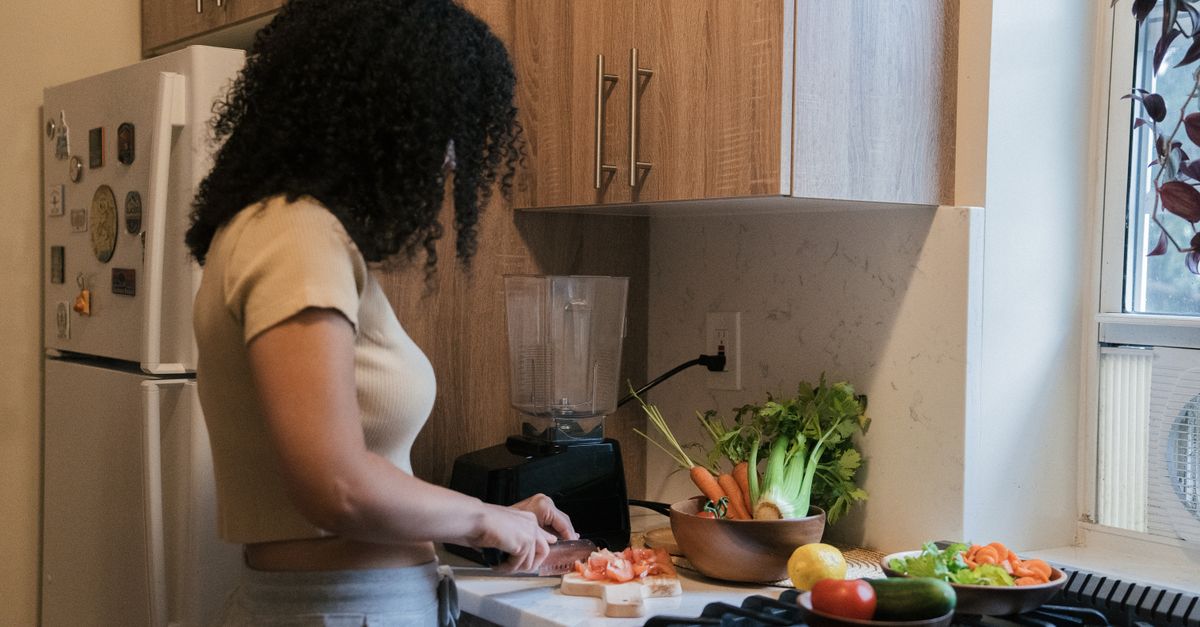
I’ve spent years building systems that cut waste, save time, and scale. When it comes to eating, the same principles apply. The goal of this article is to give you a step‑by‑step framework for meal prep convenience, meal prep for health, and creating easy-to-follow meal plans that stay organic and delicious.
Why Meal Prep Matters in 2026
Our schedules are tighter, our food choices more varied, and our health goals more precise. A well‑structured meal prep routine keeps you on track without the daily hustle of cooking from scratch.
Beyond time savings, consistent meal planning reduces impulsive snacking, helps maintain balanced macronutrients, and supports long‑term weight management—key for anyone looking to stay fit while juggling a career, family, or side projects.
Finally, a predictable eating pattern stabilizes blood sugar and improves sleep quality. In short, the benefits of meal prep extend beyond the kitchen.
Another often overlooked advantage is mental clarity. Knowing exactly what you’re going to eat removes the daily decision fatigue that can drain focus at work or during creative pursuits. Over time, this small act becomes a quiet habit that frees up cognitive resources for more complex tasks.
Convenience vs. Health: Finding the Right Balance
People often see convenience as “cheat meals” or processed foods. That’s a misconception. Convenience can coexist with nutrition when you choose whole ingredients and smart storage techniques.
Health‑centric meal prep focuses on nutrient density, portion control, and balanced macros. It means selecting high‑fiber vegetables, lean proteins, and healthy fats while avoiding hidden sugars and sodium.
The sweet spot is a system that lets you grab a pre‑assembled plate in 30 seconds but still delivers the vitamins and minerals your body needs every day. To achieve this, pay attention to three core aspects: ingredient quality, portion precision, and flavor versatility. When each component is optimized, convenience naturally becomes an ally rather than a trade‑off.
Many pre‑packed solutions rely on single‑use containers or heavily processed sauces that compromise taste and nutrition. Instead, consider mason jars for salads or silicone muffin cups for individual protein portions—both reusable, recyclable, and easy to stack in the fridge.
Choosing Organic Ingredients for Long‑Term Wellness
I’ve tested countless brands, from local farmers’ markets to online subscription boxes. The key is consistency: organic produce that stays fresh, proteins sourced responsibly, and grains free of GMOs.
Start with a list of staples that stay stable in the fridge or freezer for at least a week. These are your building blocks for most meals.
When shopping, look for certifications (USDA Organic) and avoid products with excessive additives. A clean label is a quick signal of quality.
Key Takeaway: Keep your pantry stocked with a few organic staples—these form the backbone of any efficient meal prep system.
- Quinoa, brown rice, or farro (whole grain bases)
- Lean proteins: skinless chicken, turkey breast, tofu, lentils
- Frozen mixed veggies (high in nutrients, low in spoilage risk)
- Fresh leafy greens (spinach, kale, arugula)
- Healthy fats: avocado, olive oil, nuts, seeds
- Low‑sodium canned beans and tomatoes for quick sauces
- Spices & herbs: turmeric, cumin, garlic powder, dried oregano
- Whole‑grain breads or wraps for quick assembly
- Organic Greek yogurt or cottage cheese as protein snacks
- Fresh fruit (berries, apples) for dessert or breakfast topping
Seasonal Ingredient Rotation
While the core staples stay constant, rotating seasonal produce keeps meals exciting and ensures you’re getting a wide spectrum of phytonutrients. For example, swap out spinach for Swiss chard in the winter, or use heirloom tomatoes instead of canned when they’re in peak season. This practice also helps local farmers thrive and can reduce your grocery bill.
Building an Easy‑to‑Follow Meal Plan Template
A template eliminates decision fatigue. I use a simple 4‑column table: Day, Breakfast, Lunch, Dinner. Each cell contains a meal idea that can be swapped later if you’re craving variety.
The core of the system is modularity—each dish shares at least one ingredient with another to reduce waste and prep time.
Set realistic goals: start with 3 meals per day, then add snacks or pre‑workout options as needed. The template should fit into a 30‑minute daily window for assembly.
Step‑by‑Step Template Creation
- Select your protein source for the week.
- Choose two carbohydrate bases (rice, quinoa).
- Pick three vegetables to rotate.
- Create a spice blend that can be applied across meals.
- Decide on healthy fats for each plate.
Once you have this skeleton, fill in specific recipes. Keep the list short—10–12 distinct dishes—and repeat them with different seasoning or side choices.
Batch Cooking Techniques and Essential Equipment
Batch cooking is the engine of meal prep convenience. Cook a large quantity of protein (e.g., grilled chicken) once, then portion it into containers for multiple meals.
Use pressure cookers or slow‑cookers to reduce active cooking time. They also preserve nutrients better than conventional stovetop methods.
Invest in quality containers: BPA‑free glass or sturdy plastic with airtight seals. Label each container with date and contents; this prevents spoilage and keeps you organized.
Time‑Saving Hacks for the Busy Professional
The biggest obstacle to meal prep is time. Here are proven hacks that shave minutes off your routine.
- Pre‑wash and chop vegetables in bulk on Sunday.
- Use a spiralizer for veggie noodles—instant stir‑fries.
- Keep a stash of pre‑cooked grains in the freezer; thaw when needed.
- Cook protein in two batches: one for lunch, one for dinner.
- Store sauces separately; they last longer and add flavor instantly.
- Use a single pot for multiple dishes (e.g., beans + rice).
- Set up a “prep station” with all tools within arm’s reach.
These small adjustments create a ripple effect, making the entire week feel less chaotic and more controllable. When you combine them, you’ll find that even a 15‑minute morning window can accommodate a full meal prep session if you’re organized.
Common Mistakes to Avoid in Meal Prep
Even seasoned meal preppers fall into pitfalls. The most frequent errors are:
- Over‑portioning—leading to food waste or calorie excess.
- Neglecting variety—tasting the same flavor for days can cause boredom and nutrient gaps.
- Ignoring storage guidelines—some foods lose quality faster than others; keep them separated.
Another mistake is not accounting for future needs. If you anticipate a workout or a family gathering, add extra protein or carbs to your plan.
Finally, reheating improperly can reduce nutrient density and affect safety. Use a microwave only for the portions you’ll eat that day; if reheating from a freezer, thaw in the fridge overnight or use a low‑heat setting to preserve texture.
Putting It All Together: A Sample 7‑Day Plan
Below is a concise example that follows the template and incorporates all the principles discussed. Feel free to swap proteins or grains as you prefer.
- Monday: Breakfast – Greek yogurt with berries; Lunch – Chicken quinoa bowl; Dinner – Tofu stir‑fry.
- Tuesday: Breakfast – Overnight oats with almond butter; Lunch – Turkey wrap; Dinner – Lentil soup.
- Wednesday: Breakfast – Smoothie (spinach, banana, protein); Lunch – Salmon salad; Dinner – Veggie pizza on whole‑grain crust.
- Thursday: Breakfast – Scrambled eggs with avocado; Lunch – Chickpea curry; Dinner – Beef and broccoli.
- Friday: Breakfast – Protein pancakes; Lunch – Shrimp quinoa bowl; Dinner – Chicken fajitas.
- Saturday: Breakfast – Chia pudding; Lunch – Veggie burger; Dinner – Pasta with marinara.
- Sunday: Breakfast – Bagel with cream cheese; Lunch – Leftovers; Dinner – Roast chicken with veggies.
All dishes use the same core ingredients, ensuring minimal waste and maximum efficiency. Store leftovers in labeled containers for easy reheating.
Final Thoughts: The System Is Your Edge
Meal prep convenience is not a one‑time event; it’s a repeatable system that evolves with your goals. By selecting organic staples, building modular recipes, and applying time‑saving hacks, you can maintain a healthy diet without sacrificing productivity.
The key is to start small—one day at a time—and scale up as the routine feels natural. Once ingrained, meal prep becomes an invisible background process that frees mental bandwidth for your career, family, and creative projects.
What’s one ingredient you’ve found essential for quick, healthy meals, and why?


