
How can I streamline weekly meal prep for a busy lifestyle?
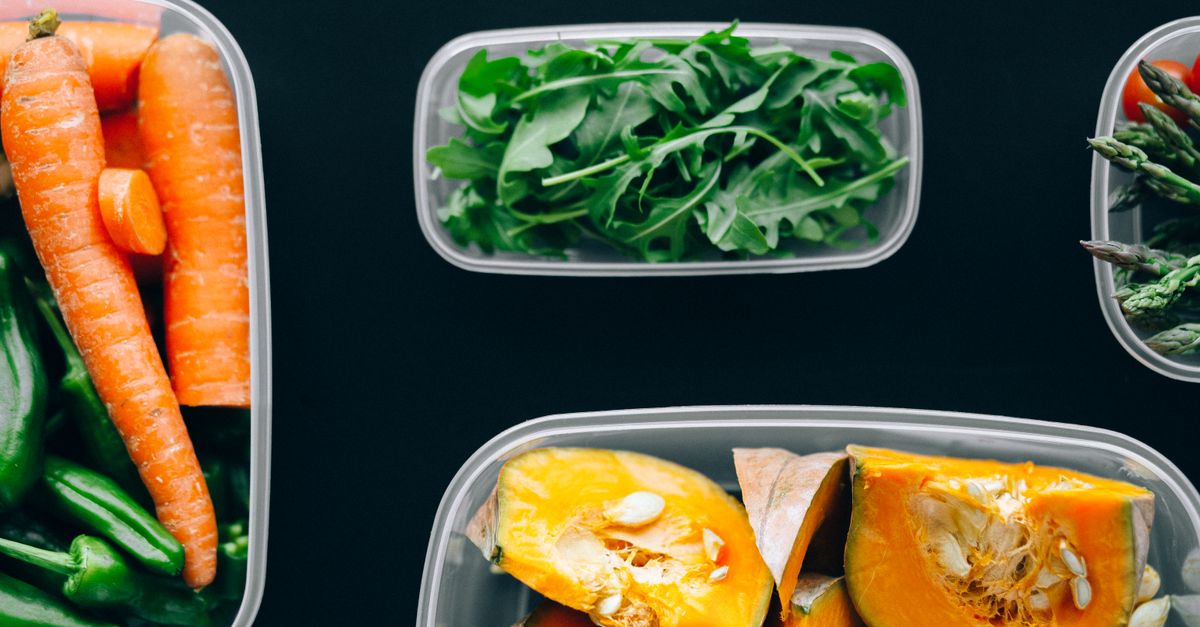
When you’re juggling a demanding job, family time, and personal projects, the idea of cooking every day feels like an additional task on an already full plate. Yet, with intentional planning and the right tools, weekly meal prep can become a strategic advantage rather than a chore. Below I break down the steps that have helped me—and my team—maintain nutrition without sacrificing productivity.
1. Why Weekly Meal Prep Matters
Meal prep isn’t just about convenience; it’s an investment in health, time management, and financial efficiency. By preparing meals ahead of time you reduce the temptation to order takeout, lower food waste, and maintain consistent portion control.
In my experience, a well‑structured prep routine has cut down daily cooking time by 60%, freeing hours for product development sprints and family outings. The key is to treat prep like any other scheduled task—block it in your calendar, set reminders, and hold yourself accountable.
Key Benefits
- Reduces decision fatigue each evening, allowing you to focus on more critical choices at work or home.
- Improves dietary consistency by ensuring you have wholesome options ready whenever hunger strikes.
- Cuts average grocery spend by 15–20% through bulk buying and minimized impulse purchases.
- Decreases kitchen cleanup time; a “clean as you cook” mindset keeps the countertop clutter-free.
- Supports mental well‑being—knowing meals are ready reduces stress during hectic days.
- Promotes sustainability by decreasing reliance on single‑use packaging and reducing overall food waste.
2. Ready‑to‑Eat vs Prepared Meal Services
The market offers two main options: fully prepared meals delivered ready to heat, and partially prepped components you finish at home. Both have distinct pros and cons that align with different lifestyles.
If your schedule is unpredictable but you value flavor variety, ready‑to‑eat services like Blue Apron, HelloFresh, or local meal‑service startups can save prep time while still offering chef‑designed menus. For tighter budgets or a preference for cooking control, selecting pre‑cut veggies and pre‑marinated proteins allows you to finish meals in 10–15 minutes.
Choosing the Right Model
- Ready‑to‑eat: minimal prep, higher cost per meal, great for days when you’re on a tight deadline.
- Prepared components: moderate prep, lower cost, more control over seasoning and cooking method.
- Hybrid: combine both for flexibility (e.g., grab a ready sandwich plus a side of sautéed greens). This approach lets you reserve the most labor‑intensive meals for days when you have extra time.
A useful tip is to map out your week’s schedule first, then align the meal type accordingly. For example, on Monday and Friday mornings—when commute times are longest—opt for a ready‑to‑heat protein bowl. On Wednesdays, when you’re at the office all day, use pre‑marinated chicken that only needs a quick grill.
3. Building a Custom Weekly Food Prep Plan
The foundation of an efficient prep routine is a clear weekly menu that balances nutrition, taste, and time constraints. Start by mapping out your week’s commitments—work deadlines, family events, and personal projects—to gauge how many meals you’ll need.
In my experience, I allocate 30 minutes on Sunday mornings to assemble the week’s lunches and dinner portions, then a quick 10‑minute session on Wednesday for a “midweek refresh” of sauces or spice mixes. This staggered approach prevents overwhelm and keeps the prep process manageable.
Step‑by‑Step Creation
- List all meals needed: Include breakfasts, lunches, dinners, and snacks so you can plan for every hunger cue.
- Choose recipes that share core ingredients: This reduces waste and simplifies the shopping list. For instance, use quinoa in both a breakfast porridge and a dinner grain bowl.
- Batch cook proteins: Grill chicken, bake salmon, or roast tofu once per week; store them in portioned containers for quick assembly.
- Pre‑portion grains and vegetables: Cook a large batch of rice or sweet potatoes and divide into individual servings.
- Add a “flex” slot: Reserve one meal (often a frozen pizza night or instant ramen) for spontaneous cravings, keeping the plan realistic.
An additional trick is to create a visual calendar—post it on your fridge—so you can see at a glance what’s coming up. Color‑code the days by cuisine type: blue for Mediterranean, green for plant‑based, orange for comfort foods. This helps avoid monotony and keeps meals exciting.
4. Storage, Equipment, and Time Management
Effective prep hinges on the right kitchen tools and an organized fridge/freezer. Invest in airtight containers that stack neatly; consider glass or BPA‑free plastic with clear labeling for quick identification.
In my experience, a well‑arranged pantry saves 5 minutes per meal preparation session—time that adds up over weeks. I also use a simple color‑coding system: blue for proteins, green for veggies, red for grains, and yellow for sauces.
Essential Equipment Checklist
- High‑quality chef’s knife set: Sharpness reduces prep time and improves safety.
- Mandoline slicer or food processor: Uniform cuts speed up cooking and create consistent textures.
- Insulated lunch bags: Keep meals hot or cold during commutes, especially for office workers.
- Microwave‑safe containers: Enable quick reheating without compromising taste.
- Digital kitchen scale: Maintains portion consistency and helps track macros.
- Thermal food jars: Ideal for soups or stews that need to stay hot all day.
Storage best practices: place cooked proteins on top of grains in the fridge so they’re easy to grab; keep sauces in a separate drawer with clear lids. Label each container with the content and date using a permanent marker or label maker. When you notice a container approaching its “use by” date, incorporate it into your next meal plan immediately.
For freezer organization, use a dedicated “freezer sheet” to note what’s in each bag and when it was frozen. This reduces the risk of forgetting about items and ensures they’re used before spoilage.
5. Technology & Automation in Your Routine
Leveraging apps and smart appliances can dramatically streamline prep work. Meal‑planning apps like Plan to Eat or Paprika sync recipes, generate shopping lists, and suggest weekly menus based on your preferences.
I’ve integrated a smart stove that pre‑heats when I set the timer from my phone, and a robotic vacuum that cleans the kitchen floor right after dinner—freeing me to focus on the next project phase.
Smart Tools Worth Considering
- Voice‑controlled assistant: Hands‑free recipe steps with Amazon Echo or Google Home keep your hands free for chopping.
- Programmable slow cooker or Instant Pot: Set it to “sauté” mode in the morning, and return home to a ready meal.
- Thermal food containers: Keep meals hot during commuting without reheating.
- Digital grocery ordering services: Auto‑replenish staples like olive oil or rice when supplies run low.
- Nutrition tracking apps: Monitor macro intake per meal; this is especially useful for athletes or those following specific diets.
A practical workflow: use your calendar app to schedule a 45‑minute prep block on Sunday. Within that window, launch the Paprika recipe you want to cook and let the app pull the ingredients list into your shopping app. After grocery pickup, load the fresh produce into the fridge, then start cooking while your smart stove pre‑heats.
6. Common Mistakes and How to Avoid Them
Even seasoned planners fall into traps that undermine their prep strategy: over‑buying, neglecting food safety, or ignoring dietary balance. Address these pitfalls proactively.
In my experience, the biggest error is underestimating portion sizes, leading to leftover waste or insufficient energy during peak work hours. A quick “pre‑taste” test before storing meals ensures flavor consistency and prevents surprises at mealtime.
Top 5 Pitfalls
- Buying too much perishable produce: Opt for frozen when appropriate; freezing preserves nutrients and extends shelf life.
- Ignoring cross‑contamination: Dedicate separate cutting boards for raw meats vs veggies, and wash utensils thoroughly in between.
- Not labeling dates: Use a date stamp to track freshness—especially important for pre‑cooked proteins that can spoil quickly.
- Skipping a weekly review: Adjust recipes based on what worked or didn’t; this keeps the plan dynamic and tailored to your tastes.
- Neglecting cleanup: Clean as you cook to avoid backlog; wipe surfaces immediately after chopping and rinse utensils in batches.
A useful checklist for each prep session: Did I label everything? Is the freezer organized? Am I using all ingredients before they expire? Answering these questions keeps your routine on track.
By systematically addressing these issues, your prep routine stays resilient and adaptable. Over time you’ll notice a measurable shift: fewer spontaneous takeout orders, more balanced meals, and the extra hours you reclaim can be redirected toward career growth or quality family moments.
How do you integrate meal prep into a highly dynamic schedule without sacrificing quality or time for other priorities?


