
How Can Meal Prep Consultation Help You Build a Consistent, Delicious Meal Prep Routine?
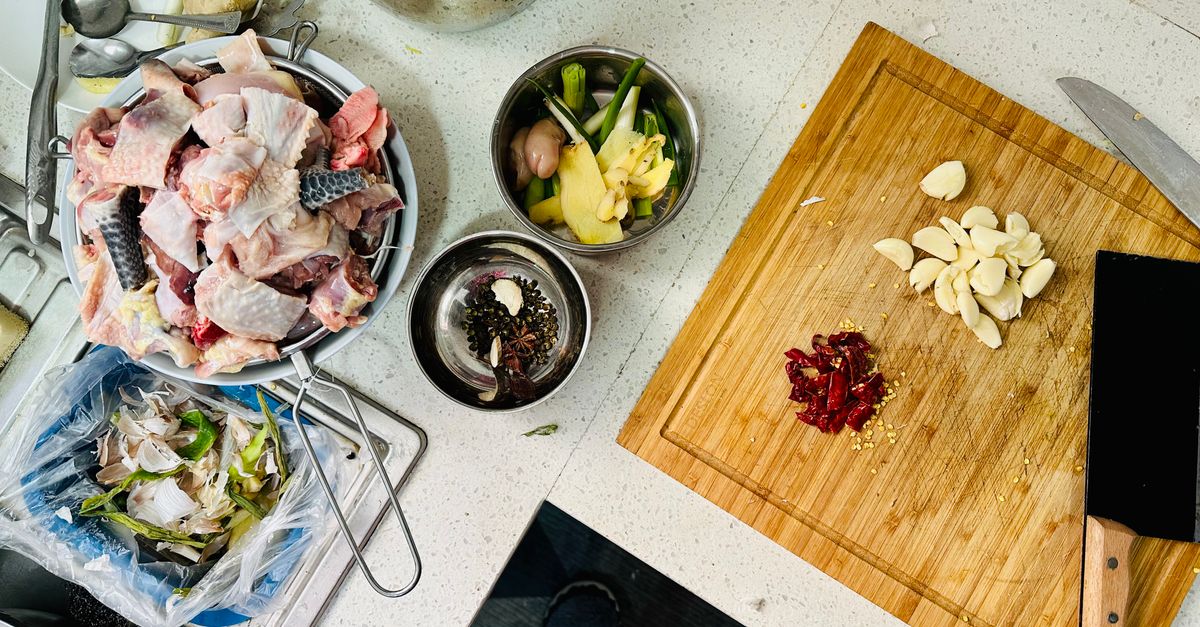
Meal prep consultation isn’t just about saving time; it’s a strategic approach to nutrition, budget control, and family harmony. When you have a clear framework for ready‑to‑eat meals, the chaos of weekday dinners disappears, leaving space for work, play, and quality moments with your kids. By collaborating with a professional or using a structured self‑assessment, you can turn what feels like an overwhelming task into a manageable system that delivers real results.
1. Why Meal Prep Consultation Matters
In my experience, the first step to any successful routine is understanding what you need before you start cooking. A meal prep consultation helps you identify:
- Dietary goals—weight management, muscle building, or simply balanced nutrition.
- Time constraints—how many minutes you can realistically spend each day in the kitchen.
- Budget limits—what you’re willing to invest in ingredients and tools.
- Family preferences—flavors your kids love and any dietary restrictions.
This data transforms a vague idea of “I’ll cook more” into actionable plans. It also sets measurable metrics: calories per meal, protein grams, or even the number of prep sessions per week. Without these, you’re just guessing.
During a typical consultation, a coach will walk you through a questionnaire that captures your daily routines, favorite foods, and any health concerns. They’ll then use this information to sketch out a sample menu and grocery list that fit both your palate and your calendar. The result is a personalized blueprint that removes guesswork and gives you confidence every time you open the fridge.
2. Choosing Ready‑to‑Eat Meals vs. Homemade Options
The market offers a spectrum from fully prepped meals to simple ingredients that need minimal assembly. When deciding between ready‑to‑eat and homemade, consider:
Criteria for Decision Making
- Cost per serving: Ready‑to‑eats often carry markup; compare with bulk ingredient costs.
- Nutrient density: Homemade can be tailored to avoid excess sodium or hidden sugars.
- Convenience factor: Ready‑to‑eat eliminates chopping and cooking time.
- Control over flavors: If you love experimenting, homemade gives flexibility.
A hybrid approach works well: keep a core set of staples (rice, beans, frozen veggies) for quick assembly, supplement with pre‑marinated proteins or meal kits when time is tight. This blend maximizes meal prep convenience without sacrificing taste.
For example, you might use a frozen cauliflower rice as the base for several dishes, pair it with a rotisserie chicken that’s already cooked, and finish each plate with a quick stir‑fry of fresh peppers. The result is a balanced meal in less than 10 minutes—a perfect compromise between convenience and culinary control.
3. Building Meal Prep Convenience at Home
Once you’ve mapped your strategy, the next phase is infrastructure—tools and habits that support consistent execution.
Essential Equipment
- High‑quality cutting board: A sturdy surface reduces prep time and cuts risk of accidents.
- Sharp chef’s knife set: Proper blades cut faster, improving safety.
- Large silicone containers: Airtight seals keep meals fresh for days.
- Food dehydrator or oven on low heat: Ideal for batch‑cooking proteins and veggies.
- Digital kitchen scale: Ensures portion control, critical for food prep solutions.
- Slow cooker or Instant Pot: Great for hands‑off stews, roasts, and beans that can be set up early in the week.
- Mandoline slicer (with safety guard): Cuts vegetables thinly and evenly—perfect for salads and stir‑fries.
- Vacuum sealer: Extends freezer life and eliminates plastic waste.
Storage & Labeling System
Label each container with date and contents. Store in a dedicated fridge or freezer rack to keep items visible and accessible. Rotate stock: first‑in, first‑out. Use clear bins for the freezer so you can see what’s inside at a glance, and consider a color‑coded system—blue for protein, green for veggies—to speed up meal assembly during busy evenings.
When you invest in good containers and an organized layout, the physical act of reaching for ingredients becomes almost instinctual. You’ll find yourself spending less time hunting for spices and more time enjoying the food.
4. Maximizing Delicious Meal Prep
A great meal prep routine isn’t just about efficiency; it’s also about flavor diversity. Here are tactics for keeping meals exciting:
- Seasoning blocks: Pre‑mix spices in small containers (e.g., taco, Italian, curry).
- Sauce variety: Keep a few sauces on hand—salsa, pesto, tahini—to change up proteins.
- Texture contrast: Pair crisp raw veggies with soft grains or beans.
- Colorful plates: Visual appeal boosts appetite and perceived taste.
- Fresh herbs at the end: Add a handful of cilantro, parsley, or basil just before serving to lift the dish.
- Batch‑cook dressings: Whisk vinaigrette or yogurt sauces in advance; they keep well for up to a week and can be drizzled over salads or grilled proteins.
Incorporating these elements turns routine meals into a menu that your family actually looks forward to eating. For instance, a simple baked salmon fillet can become three distinct dishes by pairing it with different sauces—one day with lemon‑herb butter, another with a spicy mango salsa, and a third with a creamy dill yogurt.
5. Food Prep Solutions for Busy Families
Kids, work deadlines, and household chores create constraints that can derail even the best plans. Practical solutions include:
- Batched cooking days: Dedicate one afternoon per week to cook large portions.
- Freezer‑friendly recipes: Soups, stews, and casseroles freeze well and reheat quickly.
- Kid‑friendly assembly kits: Provide pre‑cut veggies and sauces for children to build their own bowls.
- Smart grocery lists: Use a digital list that syncs across devices so you never forget an ingredient.
- Sheet‑pan dinners: Roast protein, potatoes, and carrots on one pan; clean up is minimal, and the flavor develops through caramelization.
- Pre‑washed greens: Store in sealed bags to skip the washing step each week.
This approach reduces daily kitchen time, ensuring that even the most hectic schedules can accommodate delicious meal prep. For example, a Sunday evening could involve roasting a whole chicken, steaming a bag of broccoli, and baking sweet potatoes. The next day you simply portion the leftovers into containers; the following days you mix in fresh rice or quinoa for a quick bowl.
6. Implementation Checklist for Your Meal Prep System
Putting theory into action requires a concrete plan. Follow this checklist to launch your system:
- Define goals: Write down weight, budget, and time targets.
- Audit current habits: Track how long you spend on meals each day for a week.
- Select tools: Purchase the equipment list above.
- Create a menu calendar: Plan meals for the next 14 days, rotating proteins and veggies.
- Shop in bulk: Buy staples (rice, beans, frozen greens) to save money.
- Bake or cook on batch day: Prepare proteins, grains, and sauces simultaneously.
- Store properly: Label containers, keep a fridge/freezer inventory.
- Set reminders: Use phone alerts for prep days and meal times.
- Review weekly: Assess adherence to goals, adjust portions or recipes as needed.
- Track progress with an app: Log calories, servings, and mood; many free tools let you set custom reminders.
Adhering to this checklist transforms the abstract concept of meal prep consultation into a repeatable system that delivers both convenience and nutrition. When you see tangible evidence—like a week‑long grocery bill that’s 10% lower or a measurable drop in daily meal preparation time—you’ll feel motivated to keep going.
Key takeaway: A structured meal prep plan—rooted in clear goals, smart tools, and rotating recipes—provides lasting convenience without sacrificing flavor or family time.By embracing these strategies, you can create a meal prep routine that feels natural rather than forced. The next step is to apply the checklist, experiment with flavors, and watch how quickly your kitchen becomes a hub of efficiency and enjoyment.
What is the biggest obstacle you face when trying to maintain a consistent meal prep routine, and how have you addressed it?


