
How do I choose a meal prep company for healthy and gluten‑free meals?
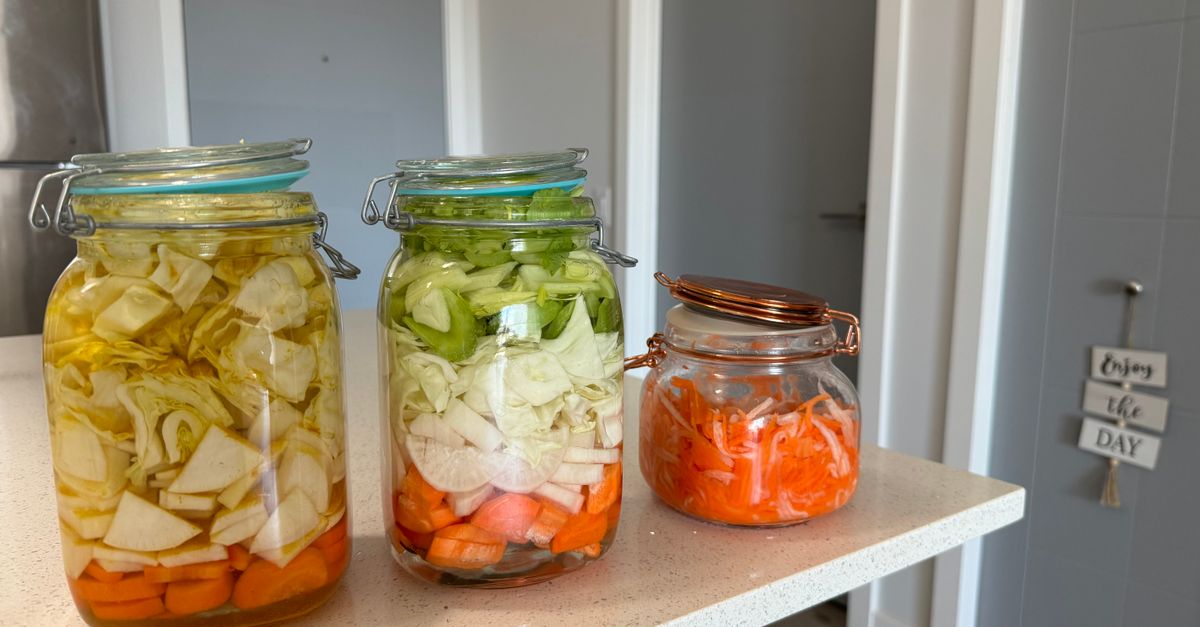
I’ve spent years building systems that reduce friction, from automating office workflows to streamlining personal errands. When it comes to daily nutrition, the same principle applies: simplify meal preparation so I can focus on work, family, and creative projects without sacrificing health. The question many people ask is how to pick a meal prep company that delivers nutritious, gluten‑free options while staying affordable and reliable.
What Is Meal Prep for Health and Why It Matters
Meal prep for health refers to the intentional planning, preparation, or purchase of meals that meet specific nutritional goals—balanced macros, adequate micronutrients, and dietary restrictions. In 2026, the rise of meal delivery services has made this easier than ever, but not all options are created equal. A well‑structured plan ensures you get the right amount of protein to repair muscle, healthy fats for hormone production, complex carbs for sustained energy, and fiber plus vitamins from vegetables and fruits. For example, a typical day might include a quinoa bowl with grilled salmon (protein + omega‑3), roasted sweet potatoes (complex carb + beta‑carotene), and sautéed kale (vitamin K). By having these meals pre‑measured, you avoid the common pitfall of under‑ or over‑eating.
Key Benefits
- Time savings: eliminates daily cooking decisions and grocery shopping trips.
- Nutrient control: portion sizes and macro ratios can be tailored to your fitness goals.
- Consistency: reduces the risk of unhealthy snacking or last‑minute takeout.
- Stress reduction: less meal‑planning anxiety, especially during busy work weeks.
- Diet compliance: supports gluten‑free, keto, vegan, or other regimes with clear labeling and ingredient lists.
The single most compelling reason to use a meal prep company is the ability to guarantee consistent quality and adherence to dietary needs without daily effort.
Key Factors When Evaluating a Meal Prep Company
I’ve tested dozens of services, from local farms to national brands. The evaluation criteria below distill what matters most for health‑focused consumers.
Evaluation Checklist
- Ingredient sourcing: traceability, organic options, and supplier contracts. A reputable company will provide a list of farm partners or certified suppliers so you know exactly where each vegetable or protein comes from.
- Menu variety: number of unique dishes per week. Variety keeps taste buds engaged and prevents meal fatigue; look for at least 8–10 distinct options to rotate through.
- Nutritional transparency: calorie, macro, and allergen labeling. Clear charts help you track macros in real time and adjust portions as needed.
- Gluten‑free certification: dedicated prep areas or cross‑contamination safeguards. Look for certifications from recognized bodies (e.g., NSF, Gluten-Free Certification Organization) that attest to strict protocols.
- Delivery logistics: pickup windows, refrigeration options, and packaging sustainability. If you’re in a city with unpredictable weather, flexible pickup times can be crucial.
- Price structure: per‑meal cost versus bulk discounts. Compare the per‑meal price to the average grocery cost for similar ingredients.
- Customer support: responsiveness to dietary changes or complaints. A quick reply time indicates a company that values its clients’ health outcomes.
- Reputation: online reviews, awards, and industry recognition. Consistent positive feedback across multiple platforms signals reliability.
In my experience, a company that documents its sourcing chain provides peace of mind—especially when I’m juggling deadlines for a new app launch.
Healthy Meal Delivery vs. In‑House Meal Prep: Pros & Cons
Deciding between a subscription delivery service and preparing meals at home involves trade‑offs in cost, convenience, and control.
Delivery Service Advantages
- Time‑efficient; no grocery shopping or cleanup.
- Professional chefs ensure balanced recipes that meet macro targets.
- Built‑in portion control for calorie tracking.
- Flexible subscription plans (weekly, bi‑weekly) and the ability to pause or skip weeks.
- Often includes special dietary accommodations such as low‑sodium or anti‑inflammatory menus.
Delivery Service Disadvantages
- Higher per‑meal cost than bulk cooking when factoring in premium ingredients.
- Limited customization beyond menu options; you can’t swap out a single ingredient on demand.
- Potential packaging waste, especially if the company uses non‑recyclable containers.
- Dependency on delivery schedules and weather-related delays.
- Risk of inconsistent taste if quality control lapses during prep or shipping.
In my experience, the convenience factor wins for high‑pressure weeks, but I still batch‑cook during low‑activity periods to keep costs down.
Gluten‑Free Meal Prep: Common Pitfalls and How to Avoid Them
Gluten‑free diets require vigilance. Even a single cross‑contamination incident can trigger symptoms. Below are the most frequent mistakes meal prep companies make, and how I verify compliance before ordering.
Common Gluten‑Free Pitfalls
- Shared cooking surfaces with gluten products.
- Poorly labeled sauces or seasonings that contain hidden wheat.
- Lack of a dedicated freezer for gluten‑free items, allowing moisture transfer.
- No separate prep utensils, increasing the chance of residue transfer.
- Inadequate employee training on allergen protocols.
- Unclear labeling of “gluten‑free” versus “contains no wheat.”
- Packaging that can contaminate during transport if not sealed properly.
When I tested a service in 2024, the chef’s kitchen was shared with wheat-based doughs. The company switched to an isolated prep area after my feedback, and the quality improved dramatically.
Cost Analysis: How Much Should You Expect to Pay?
Pricing varies widely based on region, menu complexity, and service model. Below is a realistic cost breakdown for a typical healthy meal delivery plan in 2026.
Typical Cost Factors
- Base price per meal: $8–$12 depending on protein type (e.g., plant‑based vs. grass‑fed beef).
- Customization surcharge: $1–$2 extra for special ingredients like kimchi or quinoa.
- Delivery fee: $3–$5 if outside the service radius.
- Subscription discount: 10–15% off for weekly plans, which can reduce the average cost to $7.50 per meal.
- Packaging fee: $0.50 per box for sustainable materials that can be recycled or composted.
- Premium gluten‑free certification: additional $1–$2 per meal, reflecting the extra safeguards and testing.
In my experience, a balanced plan that includes three meals and two snacks averages about $25–$30 per day. When you factor in labor savings—time spent shopping, cooking, and cleaning—it is competitive with grocery shopping plus cooking time for most busy professionals.
Practical Steps to Start Using a Meal Prep Company
If you’re ready to try a meal prep service, follow these steps to ensure a smooth transition and maximum benefit.
Implementation Checklist
- Define your dietary goals: set a calorie target, macro split (e.g., 30% protein, 40% carbs, 30% fat), and allergen exclusions.
- Research local providers: compare their sourcing statements, certifications, and menu options. A short list of 3–5 companies is manageable.
- Request a sample menu or trial week at a reduced rate: many services offer introductory discounts to new customers.
- Verify gluten‑free protocols through certification documents: request copies of lab reports or third‑party audits if available.
- Set up recurring orders aligned with your weekly schedule: most platforms allow you to choose pickup days that fit your calendar.
- Adjust portion sizes based on activity level and progress: use a food diary app to track intake and tweak the next week’s portions.
- Provide feedback after each delivery: note flavors, texture, or any concerns about allergens; this helps the company refine their offerings for you.
- Track nutritional intake using a spreadsheet or app: cross‑reference the provided nutrition labels with your daily goals to ensure alignment.
In my experience, the first week is crucial for setting expectations—once you see how consistent the meals are, the habit sticks fast.
Conclusion: Making Meal Prep Work for You
The modern world demands efficient solutions that don’t compromise health. A reputable meal prep company can deliver balanced nutrition, gluten‑free safety, and time savings—all while fitting into a busy schedule. By focusing on ingredient sourcing, menu variety, and transparent labeling, you can choose a service that aligns with your goals without breaking the bank.
What is one dietary restriction you’re struggling to manage, and how could a meal prep company help?


