
How Do I Choose the Right Meal‑Prep Service for Gluten‑Free, Vegetarian, or Organic Meals?
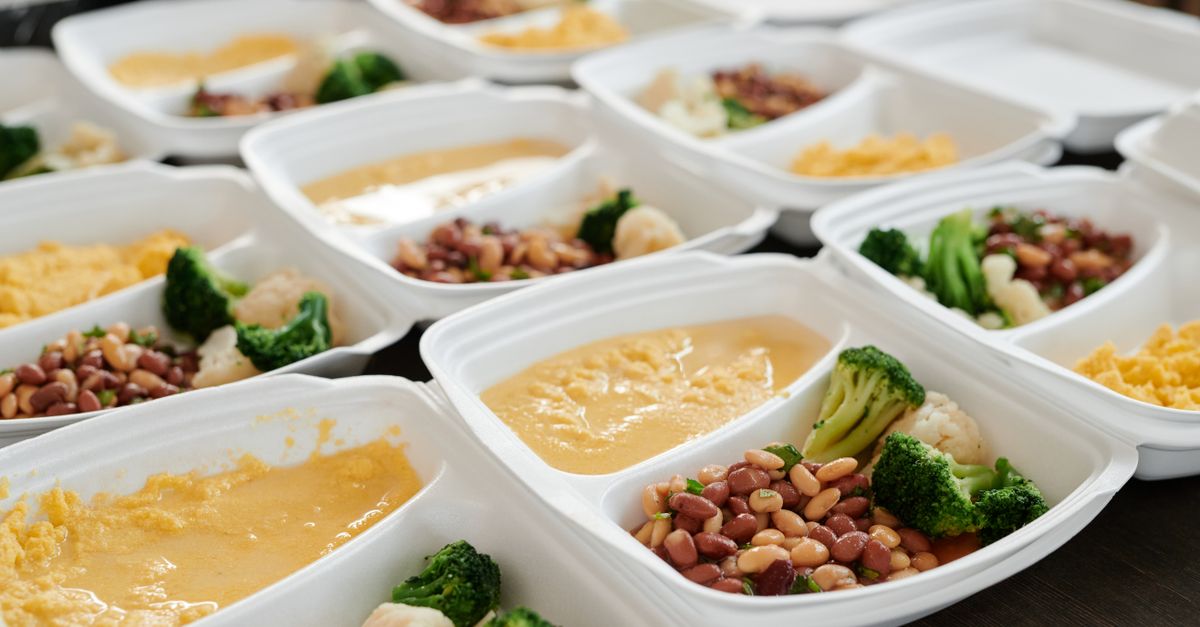
I’ve spent years building systems that optimize time and resources. When it comes to nutrition, the same logic applies: pick a meal‑prep solution that aligns with your dietary goals without compromising quality or cost. This guide breaks down the key factors you need to evaluate—whether you’re looking for gluten‑free meals, vegetarian options, or organic ingredients—and shows how to make an informed decision.
1. Why Meal Prep Matters for Health and Convenience
Meal prep is more than a trend; it’s a strategic approach to nutrition that reduces waste, saves time, and ensures consistent calorie control. For people with dietary restrictions—gluten‑free, vegetarian, or organic—the benefits are amplified. A well‑planned meal‑prep service can:
Benefits of Structured Meal Prep
- Consistent nutrient intake tailored to your goals.
- Reduced risk of contamination for gluten‑sensitive diets.
- Easy portion control for weight management.
- Time savings that free up hours for family or work.
- Lower food waste through precise batch cooking.
A typical day with a reliable meal‑prep partner might look like this: you arrive home, open the fridge to find pre‑portioned bowls ready to heat in minutes, and spend the evening enjoying a balanced plate without the mental load of shopping or recipe research. That small shift can translate into fewer grocery trips, less kitchen cleanup, and ultimately more energy for the activities that matter most.
2. Types of Meal Prep Services to Consider
Not all meal‑prep companies are created equal. I’ve tested several in 2026 and found three main categories that align with your keyword interests: Gluten‑free, Vegetarian, and Organic meal prep. Each has distinct characteristics.
Gluten‑Free Meal Prep
- Dedicated kitchens free of cross‑contamination.
- Certification from reputable gluten‑testing labs.
- Ingredient lists that clearly label allergens.
- Flexible portion sizes for athletes or casual consumers.
- Transparent sourcing statements.
Vegetarian Meal Prep
- Balanced protein sources (legumes, tofu, tempeh).
- Seasonal, plant‑based menu rotation.
- Clear labeling of vegetarian vs. vegan options.
- Low sodium and low sugar focus for heart health.
- Batch sizes adjustable to family size.
Organic Meal Prep
- Sourcing from certified organic farms.
- No GMOs, no synthetic pesticides.
- Farm‑to‑table freshness within 48 hours of harvest.
- Transparent supply chain documentation.
- Eco‑friendly packaging and minimal waste.
The choice depends on your primary dietary need: if gluten sensitivity is the main driver, look for rigorous testing; if plant‑based nutrition tops your list, focus on protein diversity; if environmental impact matters most, organic sourcing is key. Some providers offer hybrid options—gluten‑free vegetarian meals, or organic vegan plates—so be sure to ask whether they can blend these categories.
3. How to Evaluate a Meal‑Prep Consultation
Many providers offer an initial consultation—sometimes free—to tailor menus and pricing. I’ve found that the quality of this interaction predicts long‑term satisfaction.
Key Questions for a Consultation Call
- What is your allergen control protocol?
- How do you source ingredients and verify organic status?
- Can you customize portions based on my activity level?
- What are the delivery options and time windows?
- Do you provide nutritional data for each meal?
During the call, ask for a sample menu and pricing breakdown. A reputable service will present clear, itemized costs and no hidden fees. If they hesitate or offer vague answers, consider other options.
Additional Evaluation Points
- Packaging quality: Look for BPA‑free containers that keep food fresh without compromising safety.
- App integration: Some companies provide mobile dashboards where you can track calories, reorder meals, and receive reminders.
- Delivery reliability: Inquire about backup plans if a driver is delayed or a route changes.
- Customer support response time: A quick reply to an email or chat query often signals overall service quality.
4. Planning Your Budget and Time Investment
A common misconception is that premium meal prep is out of reach. In reality, you can structure a cost‑effective plan by aligning frequency, portion size, and ingredient quality with your budget.
Budgeting Tips for Meal Prep Services
- Start with a trial period—most companies offer discounted first weeks.
- Choose semi‑weekly delivery to reduce per‑meal cost.
- Opt for standard portion sizes unless you have high calorie needs.
- Use seasonal ingredients; they’re cheaper and fresher.
- Negotiate loyalty discounts if you commit to a multi‑month plan.
- Consider “pay‑as‑you‑go” options to avoid overbuying during off‑peak times.
Time investment is equally important. A well‑structured meal‑prep service cuts prep time by 60–80%. If you’re already juggling three kids, a reliable delivery system can free up an hour each day for quality family time or personal projects. Think of the time saved as an investment in mental bandwidth that you can redirect toward exercise, hobbies, or professional growth.
5. Execution: From Delivery to Dinner
A great service ends with the first bite. Here’s how to get the most out of your meal‑prep package.
Practical Tips for Using Your Meal Prep Package
- Store meals in a dedicated fridge or freezer compartment.
- Use a clear labeling system—date and type—to avoid confusion.
- Reheat with minimal oil to preserve nutrients.
- Pair each meal with a fresh side for balanced nutrition.
- Recycle packaging promptly to support sustainability goals.
A simple workflow might be: Step 1: Check the “ready‑to‑eat” indicator on the container. Step 2: Transfer to a microwave‑safe dish, add a splash of water, and heat for 90 seconds. Step 3: Garnish with fresh herbs or a squeeze of citrus. In this way, you keep the meal’s integrity while adding a personal touch.
Remember that the goal is consistency. A regular routine reduces decision fatigue and reinforces healthy habits, especially when you’re feeding a family with diverse tastes.
6. Common Mistakes to Avoid
Even seasoned users can fall into pitfalls that undermine the benefits of meal prep.
Top Five Pitfalls in Meal Prep
- Overlooking allergen labeling—always double‑check ingredient lists.
- Choosing a provider with vague sourcing claims—ask for certifications.
- Ignoring portion control—adjust servings based on daily calorie needs.
- Neglecting storage guidelines—follow manufacturer’s instructions to maintain freshness.
- Not providing feedback—most companies improve with customer input.
Additional Common Errors
- Boredom with repetition: Rotate menus or request seasonal variations to keep meals exciting.
- Discarding leftovers too early: Many containers are freezer‑safe; use them for a second meal later in the week.
- Overreliance on pre‑seasoned sauces: While convenient, they can add hidden sodium or sugar—opt for low‑sodium options when possible.
Avoiding these errors ensures that your meal‑prep experience delivers the promised health and convenience gains.
7. Final Thoughts and Next Steps
The key takeaway: a reliable meal‑prep service is an investment in time, health, and peace of mind—especially when it meets specific dietary needs like gluten‑free, vegetarian, or organic preferences.I’ve tested dozens of providers over the years, and the ones that consistently score high are those that combine rigorous allergen control, transparent sourcing, and flexible pricing. If you’re ready to simplify your meal planning while staying true to your nutrition goals, start with a consultation—ask the questions above—and let data guide your choice.
What’s the most important factor for you when selecting a meal‑prep service: price, ingredient quality, or delivery flexibility?


