
How do I create a simple, healthy meal prep routine for athletes?
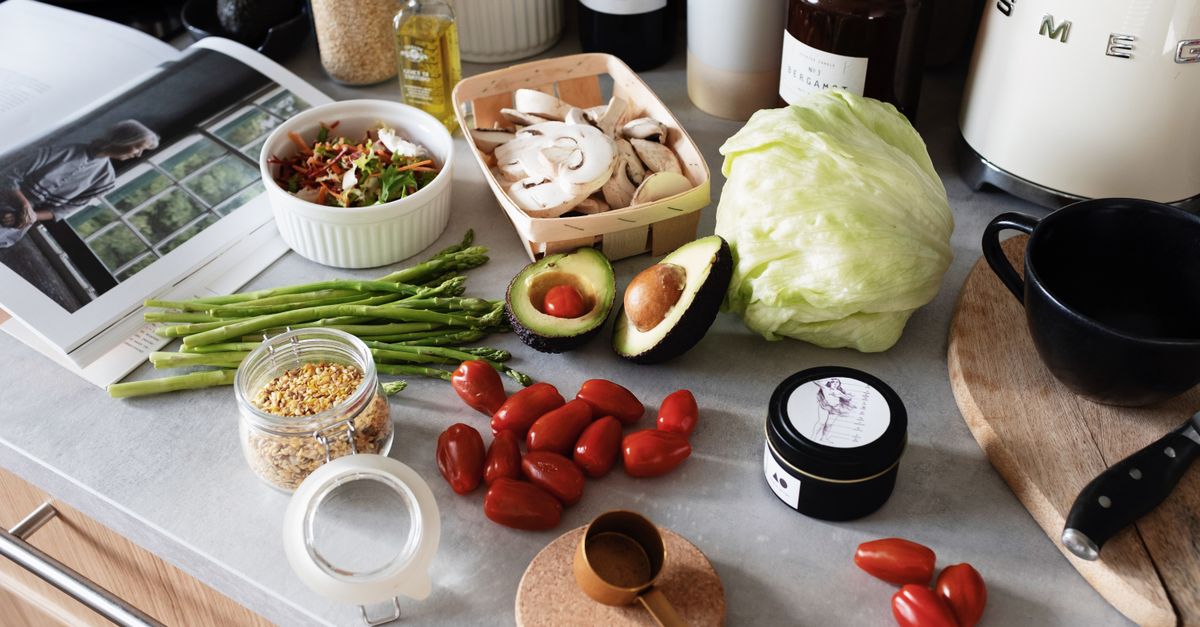
I’ve spent years optimizing logistics for businesses, but nothing beats streamlining my own kitchen. The goal is clear: build a system that delivers healthy lifestyle meals, keeps meal prep easy, supports healthy eating habits, and fuels athletes without daily cooking stress.
Why Meal Prep Is Essential for Athletes
Athletic performance depends on consistent nutrition. Skipping meals or relying on processed options saps energy, delays recovery, and breaks training cycles. Meal prep eliminates decision fatigue after workouts and guarantees balanced macros in every plate.
Planning ahead lets you control portions, reduce waste, and lock in nutrient density. Athletes benefit from predictable carbohydrate timing around workouts, protein distribution throughout the day, and a micronutrient mix that supports immunity and joint health.
Key Elements of a Performance‑Focused Meal Prep Plan
- Macro‑balanced meals (carbs 40–60%, protein 25–35%, fats 15–25%)
- Pre‑workout carbs (simple sugars) and post‑workout protein blends
- High‑fiber vegetables for gut health
- Hydration packs or infused water stations
- Rotating protein sources to avoid taste fatigue
- Seasonal produce for freshness and cost savings
- Batch cooking tools: slow cooker, air fryer, sous‑vide kit
These elements create a “ready‑to‑eat” system that supports training goals without daily effort.
How to Translate Macros Into Real Foods
The macro ranges above are guidelines; converting them into foods is the real challenge. Start with a calorie target—often 2500–3500 for most athletes—and allocate grams per macronutrient.
For example, at 3000 calories with a 50/30/20 split: carbs = 375 g (1500 cal), protein = 225 g (900 cal), fat = 67 g (600 cal). Translate these numbers into foods you enjoy. A typical day might include:
- Breakfast: boiled eggs, oatmeal with berries – ~40 g carbs, 20 g protein, 15 g fat.
- Lunch: grilled chicken breast (150 g), quinoa (1 cup cooked), broccoli – ~60 g carbs, 45 g protein, 10 g fat.
- Dinner: baked salmon (200 g), sweet potato mash, asparagus – ~50 g carbs, 40 g protein, 20 g fat.
- Snacks: Greek yogurt with honey, mixed nuts – fill remaining macro needs.
Track each meal in a nutrition app to confirm contributions. This ensures you hit calorie goals and distribute macronutrients strategically throughout the day.
Assessing Your Personal Needs Before You Start
Every athlete has unique requirements: mileage, strength focus, body composition targets. Answer these core questions:
- How many meals do I need per day to hit my calorie target?
- What are my macro ratios for performance and recovery?
- Do I have dietary restrictions or food sensitivities?
Log typical intake over a week in a spreadsheet or an app. This baseline informs the volume of ingredients you’ll need for a prep cycle.
Building Your Meal Prep Routine Step by Step
The routine breaks into three phases: planning, cooking, and storing—each repeatable with minimal daily input.
Planning Phase Checklist
- Select a weekly menu template (e.g., 3 carb‑rich days, 4 protein‑dense days)
- Create a grocery list aligned with the template
- Identify bulk purchase opportunities for staples
- Schedule a dedicated prep day in your calendar
- Pre‑measure portions using cups or a kitchen scale
- Label containers with date and meal type for quick identification
Cooking Efficiently: Batch Techniques That Save Time
The heart of meal prep lies in cooking large batches that can be portioned into servings. Use appliances that maximize output with minimal hands‑on time.
Batch Cooking Methods for Athletes
- Sous‑vide chicken or fish for uniform protein quality
- Slow cooker stews with root vegetables and lean beef
- Instant Pot quinoa or brown rice with herbs
- Air fryer roasted sweet potatoes and brussels sprouts
- Stovetop sautéed greens with garlic for micronutrients
- Pre‑shredded salads stored in airtight containers to preserve crunch
- Batch‑made protein smoothies frozen in single‑serve portions
These techniques keep cooking time under an hour while producing enough food for a week.
Sample Batch Recipe: Chicken Thighs with Roasted Veggies
This recipe is high in protein and healthy fats, pairing well with various carb sources. It’s also scalable.
- Ingredients (serves 4): 8 bone‑in chicken thighs, 2 tbsp olive oil, 1 tsp smoked paprika, ½ tsp garlic powder, salt & pepper; 3 cups mixed veggies, 1 cup quinoa.
- Method:
- Preheat oven to 400 °F. Toss chicken and veggies with oil and seasonings.
- Roast for 35–40 minutes until the chicken reaches 165 °F.
- Cook quinoa in a pot of water (2 cups per cup) until fluffy.
- Cool, then portion into glass containers: one thigh + veggies + half a cup quinoa per meal.
- Macros (per serving): 45 g protein, 30 g carbs, 25 g fat.
This batch can be reheated in the microwave or on a skillet, ideal for busy training days.
Storage Solutions: Keeping Meals Fresh and Accessible
The right containers make the difference between a rushed lunch and a crisp meal. Invest in BPA‑free glass or high‑quality silicone that seals tightly.
Container & Storage Tips for Athletes
- Use clear, stackable containers to see contents at a glance
- Separate proteins and carbs with dividers to avoid flavor mixing
- Freeze individual portions on trays before transferring to freezer bags
- Label each container with “Day 1 – Breakfast” style tags
- Use an insulated lunch bag for on‑the‑go meals
- Keep a small cooler in the car for pre‑workout snacks
- Plan for reheating: microwave or quick stovetop blast
Proper storage preserves texture and extends shelf life, ensuring quality never drops.
Cleaning and Maintenance Tips
Clean containers immediately after use to avoid lingering odors. For stubborn stains, soak in warm soapy water overnight before washing. A weekly fridge check for expired items prevents waste and keeps the prep cycle smooth.
When to Use Meal Prep Services vs DIY
Meal prep services are convenient but come at a premium. Evaluate trade‑offs before committing.
Pros & Cons of Meal Prep Services for Athletes
- Pros: Time saved, professional nutrition guidance, variety, portion control.
- Cons: Higher cost per meal, limited customization, reliance on delivery.
- Cost comparison: DIY $5–$7 per meal vs services $12–$15.
- Service flexibility: Many allow weekly menu changes; few adapt to specific macro targets.
- Quality control: DIY ensures ingredient sourcing and cooking methods.
- Portability: Pre‑packaged meals may lack fresh texture for athletes who prefer whole foods.
If you’re a busy professional or travel often, a hybrid approach can work: prep core staples at home, supplement with service options during hectic weeks.
Common Mistakes and How to Avoid Them
Even seasoned preppers stumble. Spotting pitfalls early saves time and frustration.
- Over‑portioning carbs on rest days – adjust for activity level.
- Relying solely on processed proteins – incorporate whole meats, legumes, or plant proteins.
- Using opaque containers that hide contents – opt for clear glass.
- Mixing high‑fiber vegetables with protein in the same container – separate to maintain texture.
- Not rotating spices and sauces – keep meals interesting.
- Neglecting hydration packs – athletes need electrolytes during long sessions.
Staying Consistent During Travel or Busy Weeks
Travel can disrupt routine. Keep a stash of dehydrated grains (rice, quinoa) and protein powders in your luggage for quick shakes. Use hotel kitchenettes to reheat pre‑packed meals; many accommodations now offer mini‑fridges or microwaves. For road trips, plan portable snacks like nuts, jerky, or banana wraps that require no refrigeration.
Tracking Progress & Adjusting the Routine
Meal prep isn’t set‑and‑forget. Monitor how meals affect performance, energy levels, and body composition. Log:
- Pre‑workout meal timing and content.
- Post‑workout protein intake.
- Subjective hunger scores (1–10).
- Body weight or body fat changes over 4 weeks.
Adjust macros, portions, or ingredients based on the data. A flexible approach keeps nutrition aligned with evolving training demands.
Personal Experience: How I Optimized My Family’s Meal Prep
When my sons started school sports, I needed a system that could feed an 18‑year‑old chess player, a 15‑year‑old basketball enthusiast, and our energetic dogs without spending all evening in the kitchen. I mapped out a weekly template rotating proteins between grilled chicken, baked salmon, and lentil chili, and batch‑cooked rice with coconut milk for flavor variety.We used glass containers labeled “Day 3 – Lunch” to avoid confusion. The result? We cut daily prep time from an hour to 20 minutes on weekdays while maintaining a balanced diet that supports both academic focus and athletic performance.
Key Takeaway: A well‑structured meal prep routine delivers consistent nutrition, saves time, and reduces food waste—essential for athletes who need reliable fuel without daily cooking. What’s the single biggest challenge you face with your current meal prep strategy?


