
How Do I Create Custom Meal Plans That Fit My Family's Time Constraints?
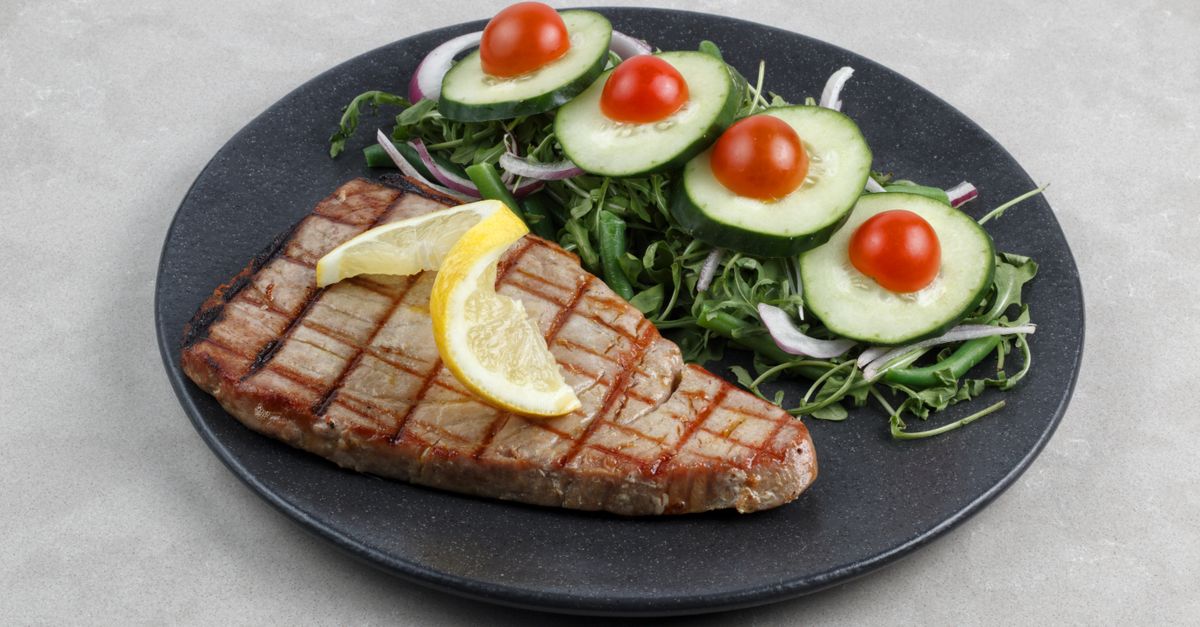
I’ve spent the last decade building systems that cut waste and add value, so when my wife Ashley asked me how to keep our three kids fed without turning dinner into a daily crisis, I didn’t think twice. The answer is simple: prepared meals, batch cooking, and custom meal plans tailored to your schedule.
1. Identify Your Core Constraints
Before you can plan anything, map out the times that matter most in a day—morning rush, after‑school sports, evening homework, and weekend downtime. Write them down on a whiteboard or a shared Google Sheet so everyone sees what drives your schedule.
Key Constraints to Capture
- Time before school (7:00‑8:30 am)
- After-school activity blocks (3:00‑5:30 pm)
- Dinner prep window (6:30‑7:45 pm)
- Weekend flexibility (Saturday & Sunday mornings)
- Special dietary needs or allergies
Once the constraints are clear, you can align meal prep to fit those windows rather than forcing meals into arbitrary slots. For example, if your kids finish homework at 5:30 pm, a quick sauté of pre‑chopped veggies and protein can be ready by 6:15, giving you enough time for dinner without rushing.
2. Build a Weekly Meal Blueprint
I treat the weekly menu like a spreadsheet: rows for days, columns for meals (breakfast, lunch, dinner, snacks). For each cell I assign a preparation status: fresh, prepped, or frozen.
Start with breakfast and lunch first—those are easiest to batch. Then decide which dinners will be cooked from scratch on the day and which can use pre‑made components.
Sample Weekly Layout (Breakfast & Lunch)
- Mon–Fri: Overnight oats, Greek yogurt parfaits, or whole‑grain toast with avocado
- Sat–Sun: Egg muffins, breakfast burritos, or fruit smoothies
- Lunches: Rotating salads with pre‑chopped veggies, quinoa bowls, and grilled chicken wraps
- Snacks: Pre‑portion hummus cups, mixed nuts, or veggie sticks
With this framework in place, you’ll spend less time deciding what to cook each day. To keep the sheet dynamic, add a column for “Notes” where you can jot down last‑minute changes—perhaps a parent’s lunch break was delayed, so swap a protein or add an extra side.
3. Master Batch Cooking Techniques
Batch cooking is the engine behind efficient meal prep for busy lifestyles. I use a two‑day cycle: cook on Sunday and Wednesday mornings, then reheat or assemble meals over the week.
Here’s how I structure a batch session:
Batch Cooking Checklist
- Select proteins (chicken breasts, lentils, tofu) that hold up when reheated
- Prepare grains in bulk—rice, quinoa, or farro can be cooked in advance and portioned into containers
- Chop vegetables ahead of time; store in airtight bins for salads or stir‑fries
- Cook a large pot of soup or chili; freeze individual portions
- Make a sauce (e.g., marinara, pesto) that can be used across multiple dishes
- Label everything with date and contents for easy retrieval
When the week starts, you simply grab a pre‑portion or two from the fridge or freezer, reheat, and plate. The result is consistent nutrition without daily kitchen drama.
A key tip is to use the same containers for storage: glass jars for soups, BPA‑free plastic for grains, and silicone lids that seal tightly. This consistency reduces cleanup time and helps you spot which items need to be used first.
4. Create Custom Meal Plans That Scale
I treat custom meal plans like a software project: iterate, test, and refine. First, gather feedback from each family member—taste preferences, portion sizes, and any dietary restrictions. Then use that data to tweak the plan weekly.
Custom Plan Components
- Protein swaps (e.g., swap salmon for turkey on Fridays)
- Vegetable rotation (broccoli vs. zucchini) to keep meals interesting
- Flavor profiles (spicy, sweet‑savory, umami) to match mood or season
- Allergy accommodations (gluten‑free bread, dairy alternatives)
- Kids’ favorite “treat” nights (pizza night with whole‑grain crust)
This approach keeps the menu dynamic and ensures everyone feels heard—crucial for family meal prep success. If one child dislikes a particular vegetable, you can keep it in a side dish that’s easy to swap out while still using the same core protein.
5. Leverage Technology to Automate Tracking
Even though I’m a self‑professed anti‑materialist, I love tools that save time. A simple spreadsheet or a free app like Trello can track what’s in the pantry, what needs restocking, and when each batch meal is due to be used.
I use conditional formatting: green for “fresh,” yellow for “use by within two days,” and red for “discard.” It turns a chaotic kitchen into a data‑driven operation. If you prefer mobile access, Google Keep’s label feature works well—just add a “Ready” tag to items that are set to go out in the next 48 hours.
6. Involve the Kids in the Process
Kids are often the best allies in meal prep. When Ethan, Zachary, or Adela help with chopping or assembling ingredients, they learn valuable skills and feel invested. I set up a rotating “Chef of the Week” schedule—each child gets to choose one dinner for the week.
This practice reduces resistance to new foods and turns cooking from chores into family bonding time. To keep it safe, provide child‑size knives or use a mandoline with a guard; let them wash their own utensils in a designated area to reinforce hygiene habits.
7. Common Pitfalls and How to Avoid Them
I’ve seen many families fall into these traps:
- Over‑batching: Making too much leads to waste; start with a small batch and scale up once you’re comfortable.
- Ignoring food safety: Store cooked foods at proper temperatures; use a thermometer if unsure.
- Lack of variety: Rotate recipes weekly; otherwise, meals become monotonous.
- Not labeling containers: Mislabeling can cause confusion and spoilage.
- Forgetting to clean up: A clean workspace prevents cross‑contamination and makes the next batch faster.
Avoid these by sticking to a simple, repeatable routine and keeping the process transparent for everyone. If you find yourself stuck in a loop of the same dish, schedule a “menu review” every two weeks—invite input from the whole family about new ideas or flavors they’d like to try.
Key takeaway: The most efficient meal prep system is one that aligns with your family’s real schedule, uses batch cooking to reduce daily effort, and incorporates feedback loops to keep meals enjoyable.In my experience, the first week of a new plan often feels like a learning curve, but by the third week you notice a significant drop in kitchen time—sometimes 30 minutes per day. That’s the sweet spot where prepared meals become a real asset rather than another task on the to‑do list.
How have you adapted your meal prep strategy for unexpected schedule changes, and what tools help you stay flexible?


