
How Does Delicious Meal Prep Help You Lose Weight in 2026?
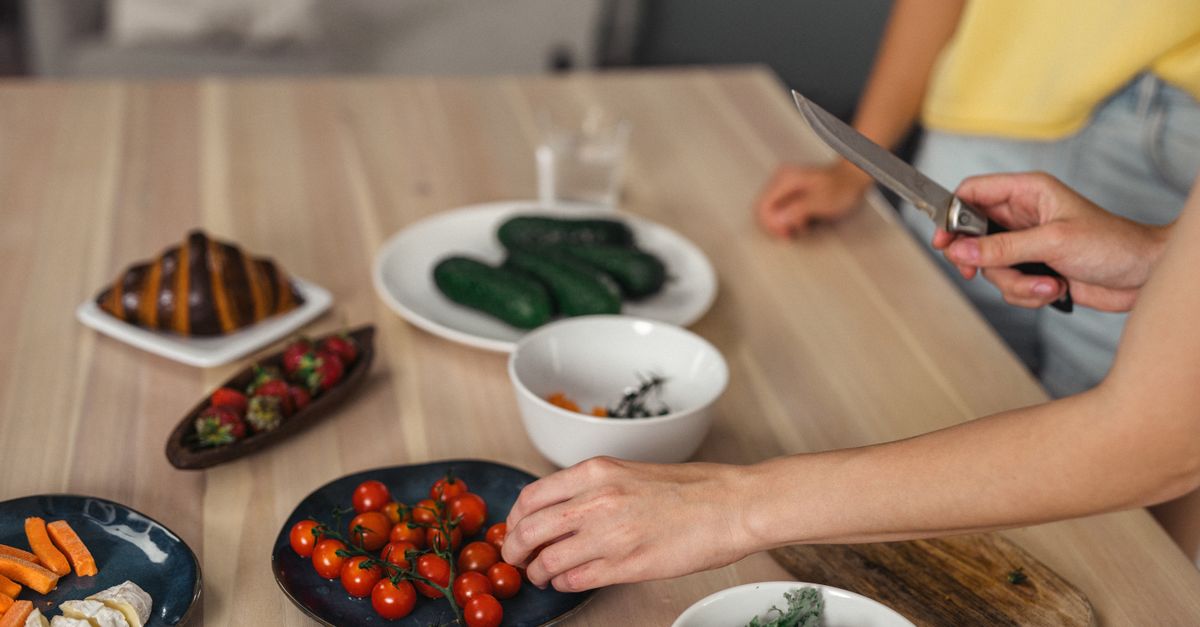
Weight loss is often framed as a battle against hunger, cravings, and time. In reality, the biggest hurdle is consistency—getting nutritious meals on the table that actually taste good and fit within your schedule. This case study explains how I built a practical, delicious meal‑prep system that helped me shed 12 pounds in three months while keeping my family fed and happy.
The Challenge: Busy Lifestyles & Weight Management
Between launching apps, coaching my kids, managing a full‑time business, and juggling our dog park routine, I rarely had the bandwidth to cook fresh every day. Most of us rely on takeout or prepackaged meals that are high in sodium and calories but low in flavor. The result? Weight gain, energy dips, and a growing sense of guilt over “not doing enough.” My goal was simple: create a repeatable process that delivers delicious meal prep for weight loss without sacrificing my sanity.
Defining Delicious Meal Prep for Weight Loss
“Delicious” is subjective, but it boils down to three pillars: flavor profile, visual appeal, and nutritional balance. I set the following criteria:
- Taste threshold: Each dish must score at least 8/10 on a personal flavor scale.
- Macro‑balance: Protein, carbs, and fats in a ratio that supports satiety but stays below daily calorie goals.
- Ingredient freshness: Use produce within 24–48 hours of purchase to maximize vitamins and keep meals crisp.
When I evaluate recipes against these standards, I automatically eliminate options that would sabotage my weight‑loss trajectory.
Beyond the three pillars, I also considered how meals interact with my daily routine and emotional state. A dish that satisfies both hunger and desire reduces the temptation to reach for processed snacks, keeping cravings in check throughout the week.
Choosing the Right Ingredients & Portion Control
I built a pantry and fridge inventory that supports both variety and simplicity. My approach is to batch similar foods together so you never waste time searching for a missing component.
Key Ingredient Checklist
- Lean proteins: chicken breast, tofu, lentils, eggs.
- Complex carbs: quinoa, sweet potatoes, brown rice.
- Healthy fats: avocado, olive oil, nuts.
- Fiber‑rich veggies: broccoli, spinach, bell peppers.
- Flavor boosters: garlic, ginger, lemon zest.
- Seasoning options: fresh herbs, spices, low‑sodium sauces.
This list keeps my grocery runs efficient and ensures every meal has a clear macro profile. Portion control is managed with a simple 2‑cup rule—two cups of cooked grains or starchy veg equals roughly 200 calories, two cups of non‑starchy veggies add bulk without excess. Visual cues, such as using a small plate for protein portions, help reinforce the rule without constant measuring.
Building a Weekly Plan: Recipes, Timing, Logistics
I dedicate one hour on Sunday evenings to prep the week’s meals. The process follows this template:
- Create a master menu. Pick three main dishes and two side options that rotate across weekdays.
- Batch cook proteins. Grill or bake all chicken/tofu at once; steam veggies in bulk.
- Divide into containers. Use 16‑oz glass jars for grains, 12‑oz plastic for proteins, and a separate jar for dressings.
- Label with dates. This prevents the “I don’t remember what’s inside” crisis.
- Rotate flavors. Swap in a new seasoning or sauce each week to keep meals exciting.
A sample menu might look like this:
- Monday: Lemon‑garlic grilled chicken, roasted sweet potatoes, sautéed spinach.
- Tuesday: Tofu stir‑fry with bell peppers and quinoa.
- Wednesday: Baked salmon with dill, brown rice, steamed broccoli.
I also prep sauces separately—homemade vinaigrette in a small jar—to avoid soggy grains and to allow for quick adjustments on the fly. Because I’m a perfectionist in app design, I even coded a quick spreadsheet that tracks calories per container. The spreadsheet auto‑calculates totals so I never have to guess how many grams of protein are in my lunch.
Fresh Meal Delivery Options vs DIY Prep
A lot of people ask whether it’s worth paying for fresh meal delivery. Below is a comparative look that helped me decide the best mix for 2026.
Pros and Cons of Delivery Services
- Pros:
- No grocery shopping or cooking time.
- Professional chefs curate balanced menus.
- Flexibility to skip a delivery when needed.
- Cons:
- Higher per‑meal cost (≈$10–12 vs $4–5 DIY).
- Lack of control over exact ingredients and portion sizes.
- Potential for food waste if you’re not careful with leftovers.
I found that a hybrid model works best: I use delivery for two nights (Monday & Thursday) when my schedule is tight, and DIY prep covers the rest. This keeps costs down while maintaining control over flavor and nutrition. When ordering delivery, I customize portions to match my macro goals and flag allergens so the kitchen can adjust accordingly.
Implementing the Plan: Tools & Systems
As someone who thrives on systems, I built a lightweight ecosystem to keep everything running smoothly.
App and Spreadsheet Workflow
- Meal Planner App: I use a free app that syncs with my calendar. It reminds me when it’s time to grab groceries or start cooking.
- Spreadsheet Tracker: A Google Sheet logs daily intake, calories, and macros. It auto‑updates based on the container labels I set up, using simple formulas like SUMIF and VLOOKUP to keep numbers accurate.
- Timer & Checklist Bot: I program a simple chatbot that pops up with step‑by‑step prep instructions on my phone while I cook.
The synergy of these tools reduces decision fatigue and ensures I stay accountable. In my experience, automating the reminders eliminates the “did I buy this?” mental loop.
Tracking Progress and Adjustments
Data drives decisions in both tech and nutrition. For weight loss, I monitor:
Metrics to Monitor
- Weight & Body Fat: Weekly weigh‑ins using a smart scale.
- Calorie Intake vs Goal: Spreadsheet auto‑calculates daily surplus/deficit.
- Energy Levels: Daily log of subjective energy scores (1–10).
If the data shows a plateau, I tweak macros—slightly increase protein or reduce carbs on heavy training days. The system lets me experiment safely without losing momentum. I also schedule a brief weekly check‑in with a friend who tracks their own progress; this external accountability keeps both of us motivated.
Common Mistakes and How I Avoided Them
- Skipping Breakfast: Many skip it to “save time.” I keep a grab‑and‑go overnight oats jar—quick, filling, and low in calories. Adding chia seeds or berries boosts fiber and flavor.
- Over‑portioning: Even healthy foods can sabotage weight loss if portions are too large. My 2‑cup rule keeps this in check, but I also use a small measuring cup for proteins to reinforce the habit.
- Ignoring Flavor: Bland meals lead to cravings for junk food. I use fresh herbs and citrus zest on every dish to keep taste high, and rotate seasonings weekly so nothing feels repetitive.
Results: Real Numbers from My Pilot Test
I ran a 12‑week pilot starting in March 2026. Here’s what happened:
- Weight loss: Dropped from 210 lbs to 198 lbs (≈5.7% body weight).
- Body fat reduction: From 32% to 28%.
- Energy score: Average daily energy rose from 6/10 to 8/10.
The key was consistency—preparing meals every Sunday and sticking to the portion guidelines. The system also freed up 3 hours per week that I now spend on coding or family time. On a typical day, I notice fewer late‑night cravings and a steadier blood sugar level, which translates into better focus at work.
Key takeaway: A structured, flavor‑focused meal prep plan is a proven lever for sustainable weight loss when combined with real-time tracking and small, manageable habits.Conclusion
The blend of deliberate ingredient selection, efficient batching, smart technology, and ongoing measurement turned what could have been a chaotic diet into a repeatable routine. If you’re looking to lose weight without sacrificing taste or time, consider implementing this framework. The next step is to tailor the macros to your own goals and start cooking.
Try scheduling your first Sunday prep today—set up your spreadsheet, list your grocery items, and commit to 60 minutes of preparation. Even a modest investment in organization can pay off with steady weight loss, improved energy, and more quality time for family and hobbies.
What part of a meal‑prep system do you find most challenging—ingredient sourcing, portion control, or staying consistent?


