
How Professionals Can Master Meal Prep in 2026
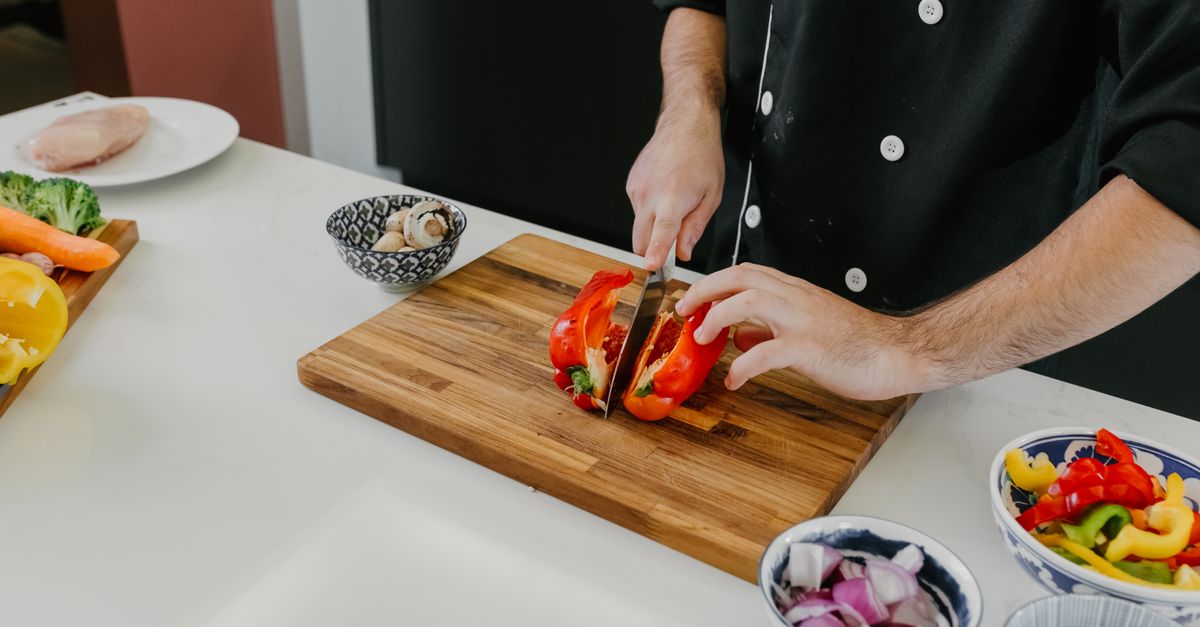
When the workday stretches from nine to nineteen and your family’s schedule is a moving target, finding time to cook healthy meals feels like chasing a mirage. Yet skipping lunch or ordering takeout every day drains both wallet and wellness. This guide lays out concrete steps—delivery options, DIY routines, tech tools—to help professionals keep their plates—and their energy—full without sacrificing the free hours that matter most.
Why Professionals Need Meal Prep
The modern professional faces a trio of challenges: high workload, limited kitchen time, and nutrition gaps. These translate into:
Key Pain Points for Busy People
- Long commutes that eat lunch hours.
- Frequent meetings leaving no window to cook.
- Inconsistent food choices leading to energy dips.
- Higher risk of weight gain from convenience foods.
- Stress‑related digestive issues.
A structured meal prep system restores control, boosts focus, and protects health—critical assets for anyone on the move. Well‑planned meals reduce last‑minute scrambling, letting you leave the office on time and return home ready to unwind instead of battling hunger.
Assessing Your Lifestyle and Goals
Before choosing a delivery plan or designing a home routine, map your priorities with these questions:
- How many meals do I need per week?
- What is my monthly food budget?
- Do I prefer fresh ingredients or pre‑cooked options?
- What kitchen skill and equipment do I have?
- Are there dietary restrictions (gluten, dairy, keto, etc.)?
- How many hours can I dedicate to grocery shopping each week?
- Will I include healthy snacks or just main meals?
The answers guide whether a subscription meal kit, a ready‑to‑heat delivery service, or a hybrid approach fits best. A quick time audit—listing daily routines and free pockets—helps decide if a weekend batch‑cook session is viable.
Choosing the Right Delivery Model
Three common models compete for professionals’ attention:
- Subscription Meal Kits: pre‑measured ingredients and recipe cards, ideal if you enjoy cooking but lack shopping time.
- Pre‑Cooked Meal Services: fully prepared dishes ready to heat, great for takeout convenience without the cost.
- Grocery Delivery + DIY: order groceries online, then batch‑cook at home for full ingredient control.
Evaluate each by looking at:
- Ingredient freshness and sourcing transparency.
- Flexibility to swap proteins or sides on the fly.
- Shipping fees and delivery windows that fit your schedule.
A hybrid approach—combining a weekly grocery delivery with a couple of pre‑cooked meals—offers convenience, cost savings, and flavor variety.
Building a Custom Home Meal Prep Routine
Structure your home prep around four pillars:
- Batch Cooking Days: dedicate Saturday or Sunday evenings to cook large portions that can be frozen or refrigerated.
- Standardized Ingredients: use the same proteins or grains across multiple dishes to simplify shopping and reduce waste.
- Smart Storage: invest in airtight containers with portion markers; label with date and meal name.
- Weekly Rotation Schedule: alternate between high‑protein, carb‑heavy, and vegetarian days to balance macros.
This framework turns cooking from a chore into an efficient system that scales with your workload. A practical way to implement it is to create a digital spreadsheet or use a meal‑planning app where you can drag recipes onto the calendar, automatically generating a grocery list for each shopping trip.
Step‑by‑Step Sample Plan
- Plan Your Menu: pick 5–6 main meals and 2–3 snack options. Aim for variety—one fish dish, two poultry dishes, a plant‑based entrée, and a carb‑focused meal.
- Create the Shopping List: group items by pantry, fridge, freezer, and produce to streamline online ordering.
- Prep Ingredients Ahead: chop vegetables in bulk, marinate proteins overnight, or pre‑cook grains. Store them in labeled containers.
- Cook in Batches: use a large pot or sheet pan to cook multiple components simultaneously—roasted veggies, baked chicken, and sautéed greens can share the same oven or skillet.
- Portion and Pack: divide meals into individual servings right after cooking to prevent second‑hand handling that can introduce contamination.
- Freeze or Refrigerate: label each container with “Meal Prep – Day” and the date. Keep a freezer log so you always know what’s available.
Time‑Saving Kitchen Hacks
Even disciplined planners can hit time crunches. These hacks help you stay on track:
- Pressure cooker or Instant Pot for overnight meals.
- Prep sauces and dressings in bulk; they last weeks in the fridge.
- Keep pre‑mixed spice blends in small labeled containers.
- Freeze cut vegetables into single portions to avoid daily chopping.
- Line baking sheets with parchment for faster cleanup.
- Use a high‑speed blender for smoothies and soups in seconds.
- Set up a “ready‑to‑go” meal station on the counter for quick assembly.
- Employ a digital timer app to monitor multiple dishes simultaneously.
Other tricks: cook grains in bulk and refrigerate; batch‑cook eggs; use silicone muffin tins to portion soups or stews—great for freezer storage. Keep a rotating list of favorite recipes so you never need to search the internet during lunch breaks. These shortcuts cut prep time by 30–40% and keep your kitchen from becoming a bottleneck.
Breakfast and Snack Prep
A well‑planned day starts before you leave the house. Here’s how to keep healthy breakfasts and snacks ready:
- Overnight Oats: combine rolled oats, Greek yogurt, chia seeds, and fruit in a mason jar. Refrigerate for 8–12 hours.
- Protein‑Packed Smoothie Packs: portion frozen berries, spinach, protein powder, and nut butter into zip‑lock bags. Blend with almond milk when you’re ready.
- Nut & Seed Mixes: store in airtight containers; portion out small servings for mid‑morning boosts.
- Pre‑Portioned Snack Boxes: assemble sliced veggies, hummus cups, and cheese sticks. Keep them ready on the kitchen counter.
By prepping breakfast items in the evening or early morning, you avoid sugary pastries at work. A consistent snack routine also stabilizes blood sugar levels, preventing the dreaded afternoon slump.
Nutrition and Portion Control
A meal prep plan’s true value lies in its nutritional balance. Keep macros on track by:
- Calculating daily caloric needs based on activity level.
- Allocating 30–35% protein, 40–45% carbs, and 20–25% fats.
- Using portion‑control containers that visually separate servings.
- Tracking intake with a free app like MyFitnessPal or Cronometer.
- Adjusting seasoning without adding hidden calories—opt for herbs, citrus, and spices.
Aim for color variety on your plate: leafy greens, bright peppers, and vibrant root vegetables add micronutrients and visual appeal. If you’re following a specific diet (keto, paleo, Mediterranean), map out weekly macro targets beforehand so each meal automatically aligns with your goals.
Cost Analysis: Delivery vs. DIY
Understanding the economics helps justify your chosen strategy. Below is a side‑by‑side snapshot of typical weekly costs (prices are illustrative).
- Meal Kit Subscription: $10–$12 per meal × 5 meals = $50–$60.
- Pre‑Cooked Delivery: $8–$10 per meal × 3 meals = $24–$30 (plus shipping).
- DIY Grocery Delivery + Batch Cooking: $40–$55 for groceries, plus $5–$10 for freezer containers.
- Hybrid Approach: combine one pre‑cooked service ($25) with a DIY grocery run ($45), totaling roughly $70 weekly.
Pre‑cooked services are cheapest per meal but offer less variety and control over sodium or added sugars. A DIY approach yields higher quality and customization but demands more upfront time. The hybrid model—mixing two or three pre‑cooked meals with a bulk grocery run—often lands in the $60–$70 range weekly, offering both convenience and control while staying within most professional budgets.
Common Mistakes to Avoid
Even seasoned professionals slip into pitfalls that undermine meal prep’s benefits:
- Over‑buying perishable items leading to spoilage.
- Ignoring the “first in, first out” rule for fridge storage.
- Skipping label dates—results in forgotten frozen portions.
- Underestimating portion sizes—causes under‑nutrition or excess calories.
- Neglecting kitchen ergonomics—makes prep slower and more stressful.
How Technology Can Automate Your Routine
The 2026 kitchen is equipped with tools that can handle repetitive tasks:
- Smart fridges that scan inventory and suggest recipes.
- AI‑powered meal planners like Mealime or Paprika generate weekly menus based on preferences.
- Robotic cooking assistants (e.g., Moley Robot) for fully automated dishes—currently premium but trending downward in price.
- Apps that sync grocery lists with delivery services, reducing manual ordering.
- Smart kitchen scales that log food weights directly into nutrition apps.
Integrating at least one tech solution cuts decision fatigue and frees mental bandwidth for work or family time. For example, a smart fridge can notify you when your protein stock is low, prompting an automated order through the built‑in grocery app so you never run out during a busy week.
Case Study: My Family’s Meal Prep Journey
When my wife Ashley started a new clinic project, our evenings were packed. We adopted a hybrid routine: three pre‑cooked dinners from a local health‑delivery service and two DIY meals made on Sunday mornings. Using an Airtable spreadsheet to track inventory, we cut grocery waste by 20% and saved roughly $30 per month.The schedule looked like this:
- Monday & Wednesday: pre‑cooked “Turkey Bolognese” (frozen) + steamed broccoli.
- Tuesday: DIY grilled salmon with quinoa and roasted sweet potatoes.
- Thursday: pre‑cooked “Chickpea Curry” with rice.
- Friday: DIY stir‑fry using pre‑cut veggies and tofu.
- Saturday: batch‑cook beans, roasted veggies, and portion hummus for snacks.
The result? More energy during conference calls, fewer late‑night takeout orders, and the bonus of teaching my kids how to portion and label containers—skills that translate into better habits at school. We also swapped one pre‑cooked dish for a DIY version weekly to keep flavors fresh.
Quick Reference Checklist
- Set a weekly grocery budget.
- Select 1–2 pre‑cooked meal options per week.
- Schedule a batch‑cook session on the weekend.
- Label all containers with date and contents.
- Use a timer app to manage simultaneous cooking tasks.
- Track nutrition once a day for at least two weeks.
- Review costs monthly; adjust plan if needed.
- Rotate proteins weekly to avoid repetition.
- Keep a pantry audit every month to prevent overbuying.
What single change has most improved your meal prep routine this year?


