
How to Choose Meal Prep in Indianapolis, IN for Portion Control
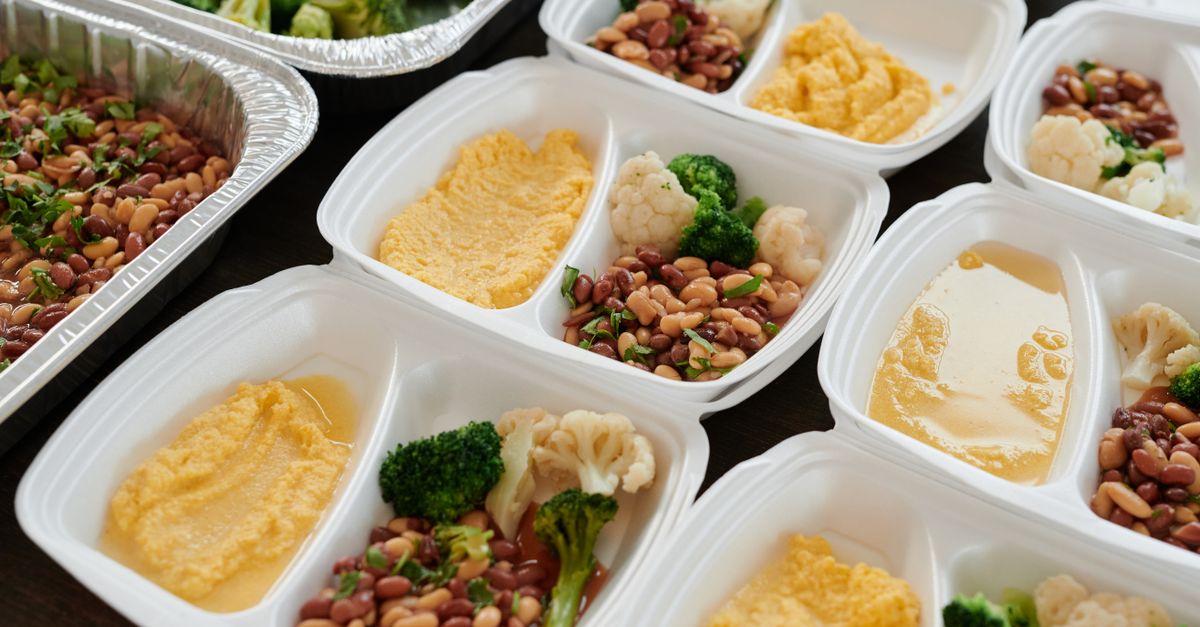
I’ve spent the last decade building systems that make daily life easier, and one of the most stubborn challenges people face is managing portion sizes. Whether you’re looking to lose weight, maintain a balanced diet, or simply eat smarter, choosing the right meal‑prep service in Indianapolis can help you keep your portions in check. The city’s growing culinary scene offers a wide range of local providers, each with their own approach to pre‑measured meals, so learning how to assess them for portion accuracy is essential.
Understanding Portion Control and Its Benefits
Portion control isn’t just about calorie counting; it’s a framework that ensures each meal delivers the nutrients needed without excess. In my experience, people often underestimate how much of a difference balanced plates can make on energy levels and overall health. When you consistently eat portions aligned with your macro goals, you’re less likely to experience the post‑meal slump or the temptation to reach for a second helping.
Beyond calorie regulation, precise portioning helps stabilize blood sugar, supports consistent insulin responses, and reduces the risk of chronic inflammation. For athletes, it can mean steadier glycogen stores; for busy professionals, it often translates into fewer mid‑day cravings that derail productivity. By integrating portion control into your daily routine, you create a predictable rhythm that feeds both body and mind.
Key Advantages
- Consistent calorie intake across meals
- Reduced risk of overeating or binge‑drinking
- Improved digestion and metabolic stability
- Easier tracking for diet goals (weight loss, muscle gain)
- Encourages mindful eating habits over time
When a meal‑prep provider incorporates portion control into their system, they typically use pre‑measured containers or clear labeling. This removes guesswork and helps you stay on target. For example, a single container might hold 350 calories with 30 g of protein, 40 g of carbs, and 10 g of fat—exactly what the label states.
The most reliable indicator of a good portion‑controlled service is whether it offers customizable servings that fit your exact calorie budget.Evaluating Meal Prep Options for Accurate Portion Sizes
Not all meal‑prep companies are created equal. Here’s what to look for when assessing Indianapolis providers:
Evaluation Checklist
- Clear portion labeling (grams, calories per serving)
- Option to adjust serving size (half or full portions)
- Nutritional breakdown provided with each meal
- Use of recyclable, single‑use containers that don’t mix sizes
- Transparent sourcing and ingredient transparency
- Customer reviews specifically about portion accuracy
I’ve tried a handful of local services; those that consistently keep portions aligned to their labels always earn higher satisfaction scores. A quick test you can do is to weigh one meal with a kitchen scale before opening the container—if it matches the stated weight, you’re in good hands.
Another tip: look for providers that offer a “sample” or “trial week” where you receive a small number of meals at a reduced rate. This lets you evaluate portion consistency without committing to a full subscription.
Cost Considerations and Value Metrics
Price is a factor, but it shouldn’t be the sole decision maker. A higher upfront cost can translate to better portion precision, fewer waste days, and healthier outcomes.
What to Compare
- Price per meal versus number of meals delivered weekly
- Cost per gram or calorie (helps gauge value)
- Additional fees for customization or extra servings
- Subscription flexibility (pause, cancel, swap days)
- Return policy on unsatisfactory portion sizes
In Indianapolis, you’ll find a range from $8 to $15 per meal. For instance, a service charging $12 per meal that delivers 500 calories per container gives you a cost of $0.024 per calorie—versus a cheaper option at $9 that offers 450 calories, costing $0.020 per calorie but leaving you short on protein if your goal is higher.
When evaluating, calculate how many calories you need daily and then see which provider’s meal size best matches that requirement without forcing you to eat more than you should.
Long‑Term Value vs Immediate Savings
A cheaper service might seem attractive at first glance, but if the portions are inconsistent, you may end up buying extra snacks or eating more frequently. Over a month, the cost of those additional foods can outweigh the savings from a lower meal price. Conversely, paying a bit more for precise servings often leads to fewer “extra” meals and better adherence to your nutrition plan.
Common Mistakes When Selecting a Portion‑Controlled Meal Prep Service
Even seasoned eaters can fall into pitfalls. Avoid these errors to get the most out of your investment:
- Assuming all “healthy” meals automatically have correct portions
- Choosing based solely on price without checking portion accuracy
- Ignoring how meals are packaged—mixed sizes cause confusion
- Overlooking the ability to swap or customize servings
- Neglecting to read customer feedback about portion consistency
If you’re uncertain, start with a trial period and monitor how each meal aligns with your daily goals. Keep a simple log: note the label’s calorie count versus what you actually consume after any adjustments.
Verifying Portions When They Arrive
Even the most reliable provider can have occasional miscounts. Here’s a quick checklist you can use each delivery day:
- Inspect the packaging. Confirm that each container matches its label size—if one looks noticeably smaller or larger, flag it for review.
- Weigh a sample meal. Use a digital scale to check at least one portion per delivery batch. A variance greater than 5 % usually indicates an issue.
- Document any discrepancies. Write down the date, meal type, and the difference between labeled and measured weight in your tracking sheet.
- Contact support. Most services have a quick response window; providing them with your data helps them adjust future batches.
This routine not only protects you from overconsumption but also builds confidence that your provider is maintaining strict standards.
Practical Steps to Implement Portion Control with Your Local Provider
Once you’ve chosen a service, follow these steps to ensure your portions stay on track:
- Set a calorie budget. Use an app or spreadsheet to outline daily targets based on age, sex, activity level, and goals.
- Select meals that match your macro goals. Look at protein, carbs, and fats per serving; many providers list these on the packaging.
- Confirm portion labels. Double‑check grams or calories listed on the packaging before opening.
- Use a food scale for the first week. Weigh one meal to verify label accuracy. If it differs by more than 5 %, reach out to customer service.
- Record deviations. Note any meals that differ from your plan and adjust future orders accordingly.
- Plan for leftovers. If a meal is slightly larger than needed, portion it into a second container or freeze the excess for later use.
In my experience, the habit of weighing the first few meals builds confidence in the service’s consistency and helps you trust the portion system long term. Additionally, using a food tracking app to log each meal automatically pulls the label data, reducing manual entry errors.
Measuring Success: Tracking Progress and Adjusting Plans
Portion control is an ongoing process. Use these metrics to gauge effectiveness:
- Weight or body composition changes over 4–6 weeks
- Energy levels during daily activities
- Meal satisfaction scores (on a scale of 1‑10)
- Frequency of “extra” servings consumed
- Cost per calorie versus baseline budget
If you notice patterns—such as consistently overeating on certain meals—contact the provider and request portion adjustments. Many local Indianapolis services offer flexible meal plans that can be tweaked mid‑subscription.
For a deeper look, consider tracking your macro intake with a dedicated nutrition app. Set alerts for when you exceed 10 % of your calorie goal in a single day; this prompts a quick review and potential adjustment to the next week's order.
What portion‑control strategy works best for your lifestyle: fixed servings or flexible adjustments?


