
Is Gluten‑Free Meal Prep Worth the Time and Money in 2026?
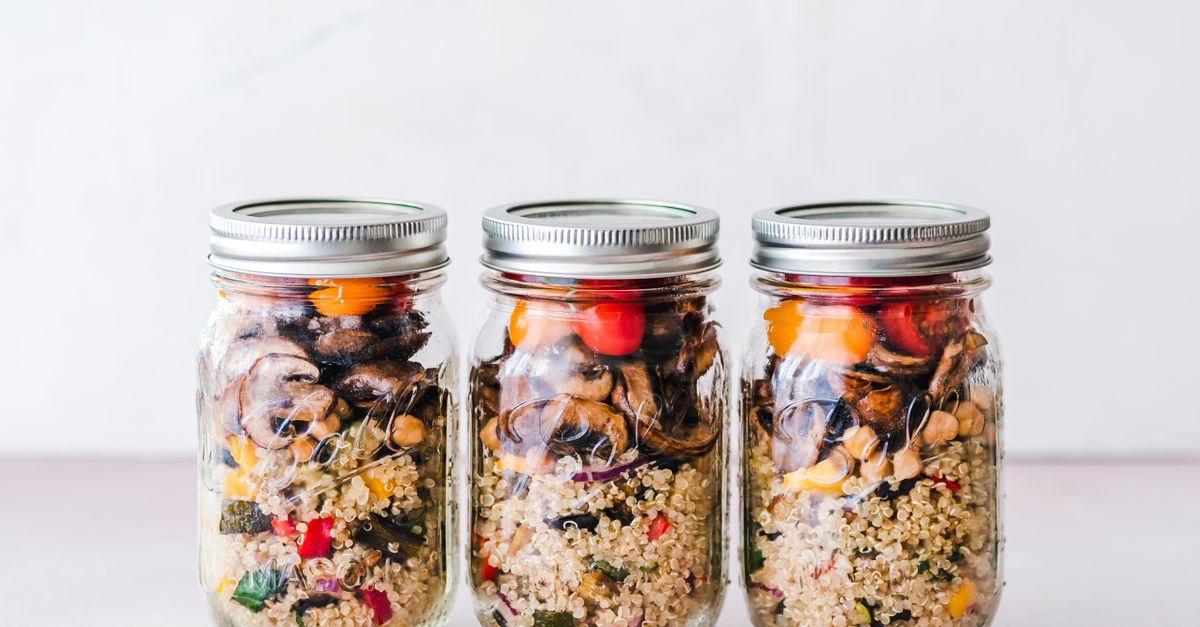
Gluten‑free meal prep is more than a diet trend; it’s a practical solution for families who need healthy, hassle‑free meals without compromising on nutrition or taste. In an era where grocery aisles are crowded with specialty items, organizing a gluten‑free menu can feel daunting, yet the payoff is significant: consistent nutrient intake, reduced exposure to hidden gluten, and a predictable routine that eases daily stress.
Why Gluten‑Free Meal Prep Matters
When you’re juggling work, parenting three kids and managing three dogs, time becomes your most valuable commodity. A structured gluten‑free meal prep routine eliminates the daily decision fatigue of what to cook and ensures every plate meets dietary restrictions. Beyond convenience, a well‑planned menu supports digestive health, reduces inflammation, and maintains consistent energy levels for both adults and kids. It also cuts out processed foods that often contain hidden gluten, helping you stay on track with your wellness goals.
In addition to saving minutes each day, meal prep fosters family bonding—everyone can contribute to planning or preparation, turning cooking into a shared activity rather than an isolated chore. Over the long term, this routine builds healthier habits and teaches children how to read labels, portion sizes, and respect food waste.
Key Benefits
- Consistent nutrient intake across meals
- Reduced exposure to cross‑contamination
- Time savings in the kitchen and at the grocery store
- Lower food waste through portion control
These advantages create a healthier, less stressful kitchen environment where every family member can rely on balanced meals without last‑minute scrambling.
Choosing the Right Prepared Meal Service
Selecting a service that fits your schedule, budget, and flavor preferences is critical. Look for providers that offer customizable menus, transparent ingredient sourcing, and flexible delivery windows. A reputable company will also provide clear labeling of allergens, nutritional information, and an easy reorder system—features that save you time during busy days.
When evaluating options, read the ingredient list to confirm that no hidden gluten‑containing additives are present. Check for certifications such as USDA Organic or Non-GMO Project Verified, which can indicate a higher quality standard. Many services allow you to preview weekly menus in advance; use this feature to gauge whether the flavors align with your family’s tastes.
Top Criteria to Evaluate
- Menu variety and ability to customize per family member
- Ingredient sourcing (organic, non‑GMO, local partners)
- Allergen labeling accuracy
- Delivery reliability and timing flexibility
- Customer support responsiveness
Building Your Own Healthy Meal Prep Routine
If you prefer full control over portions and seasoning, a DIY prep strategy can be just as effective. The key is to streamline the process: plan weekly menus, shop in bulk, cook once, and store properly.
Invest in quality containers that keep meals fresh for up to five days, and label them with dates to avoid confusion during hectic mornings.
Step‑by‑Step Process
- Plan a 7‑day menu focused on gluten‑free staples
- Shop once using a grocery list aligned with the menu
- Batch cook proteins, grains, and vegetables in one session
- Divide into portioned containers and refrigerate or freeze as needed
For extra efficiency, consider using a slow cooker or instant pot for protein‑heavy dishes; these appliances lock in moisture and flavor with minimal active cooking time.
Tips for Efficient Shopping
- Buy seasonal produce to reduce cost and improve taste
- Use the back‑of‑the‑store bulk section for grains like quinoa or millet to save on packaging fees
- Keep a running inventory of pantry staples so you’re not caught off guard by an empty spice rack
Container & Storage Checklist
- Choose BPA‑free, microwave‑safe containers with airtight seals
- Label each container with the meal name and “Best By” date
- Store cooked grains in a sealed bag to prevent moisture loss
- Freeze single portions before reheating for maximum freshness
- Use a color‑coding system (e.g., blue for proteins, green for vegetables) to quickly identify contents
Cost Comparison: DIY vs Service
A common concern is the upfront cost of purchasing ingredients versus paying for a subscription. While services offer convenience, they can be more expensive per serving if you’re not mindful of portion sizes and waste.
Calculate your typical grocery spend on gluten‑free products, then compare it to the weekly price of a meal kit that delivers 3–4 meals per day. Factor in time savings as an intangible value.
Cost Factors
- Ingredient unit cost versus packaged meal pricing
- Labor hours spent cooking and cleaning
- Waste from unused ingredients or over‑portioning
- Potential discounts or loyalty programs for services
For example, a weekly grocery run of $120 for staples can be split across 21 meals ($5.71 per meal), while a subscription might cost $150 for the same number of servings—a noticeable difference when you also account for kitchen time.
Practical Saving Tips
- Buy in bulk and freeze portions to lock in lower prices
- Shop farmers’ markets on days before closing for discounted produce
- Use loyalty cards or cashback apps that offer rebates on gluten‑free items
- Plan meals around sales flyers to maximize value per dollar
Common Mistakes & How to Avoid Them
Even seasoned families fall into pitfalls that undermine the benefits of meal prep. Recognizing these early can save you money, time, and frustration.
From over‑buying to neglecting storage guidelines, each mistake leads to excess waste or missed nutritional goals.
Typical Errors
- Purchasing too many ready‑to‑cook items that expire quickly
- Ignoring the importance of proper refrigeration temperatures
- Not rotating stock, leading to stale meals in the fridge
- Assuming all “gluten‑free” labels mean low‑sugar or high‑fat
- Overcomplicating recipes with too many ingredients
- Skipping portion control and eating more than necessary
Future Trends in Gluten‑Free Food Delivery
The next wave of meal services will lean heavily on AI to personalize menus based on taste history, seasonal availability, and even real‑time health data. Sustainable packaging—biodegradable or reusable containers—will also become standard as consumers demand zero‑waste solutions.
Emerging trends include plant‑based protein alternatives that mimic the texture of meat without gluten, fermentation techniques to boost gut health, and subscription models that allow instant swapping of meals on short notice.
What’s the most challenging aspect of maintaining a gluten‑free routine in your household?


