
Portion-controlled meals in Grand Rapids, MI
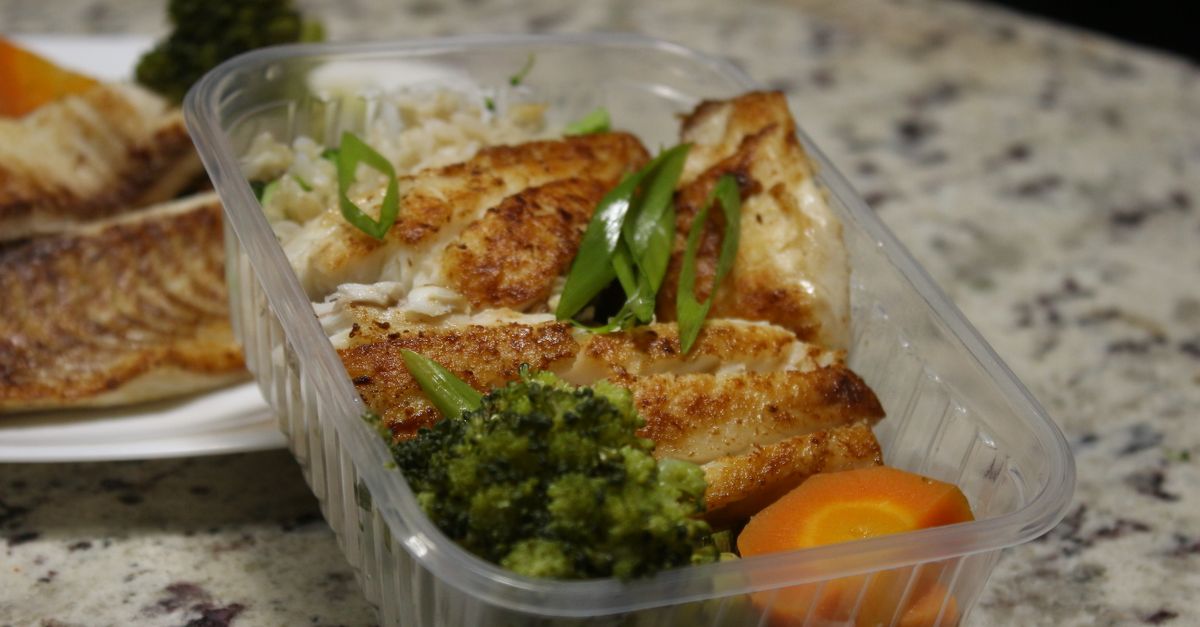
I’ve spent years refining the art of meal prep for busy professionals in Grand Rapids. The challenge? Helping people eat right without sacrificing flavor or convenience. Portion-controlled meals are a proven solution—yet many still struggle to find reliable local options and stay on track. In this guide, I’ll walk you through why they matter, how to pick the right provider, and practical steps to make them work for your lifestyle.
Grand Rapids is a vibrant hub of innovation, with tech startups, craft breweries, and a growing farm-to-table scene. Between board meetings, client calls, and late-night workouts, most residents find themselves reaching for fast food or microwavable meals that leave calories unchecked. That’s where portion control steps in: it turns every bite into an intentional act toward your health goals.
Why Portion-Controlled Meals Matter in Grand Rapids
Grand Rapids is a city of entrepreneurs, athletes, and families who value health but often lack time. Portion-controlled meals address three core issues: calorie management, nutrient balance, and consistency. When you know exactly how many grams of protein or carbs sit on your plate, you eliminate guesswork that can derail weight‑loss or maintenance goals.
Beyond weight control, these meals help maintain steady energy levels throughout the day—a critical factor for those juggling jobs, workouts, and family commitments. They also support metabolic health by preventing large spikes in blood sugar and insulin that can lead to cravings or fatigue.
Key Benefits
- Calorie Accuracy: Pre‑measured servings keep daily intake predictable.
- Balanced Nutrition: Portion sizes are designed to meet macronutrient ratios tailored to your goals.
- Time Savings: Grab and go—no cooking or cleanup required.
- Reduced Food Waste: Exact portions cut excess, saving money and resources.
Common Challenges When Ordering Meal Prep for Portion Control
Even with the best intentions, many people face hurdles that undermine portion control. These include inconsistent serving sizes, limited menu variety, and unclear labeling.
Another frequent issue is the lack of transparency about ingredient sourcing, which can affect both health outcomes and consumer trust.
Typical Pitfalls
- Inaccurate Portions: Some providers over‑ or under‑serve portions. A common scenario is a “protein” portion that actually contains more than the promised 20 g, nudging daily totals higher.
- Restricted Menus: Limited options can lead to boredom or cravings. If you’re stuck with the same entrée for weeks, you may start craving something else outside the plan.
- Hidden Calories: Sauces and dressings often add untracked calories. A creamy Alfredo sauce can double a dish’s calorie count if not accounted for.
- Unclear Portion Labels: Absence of grams or servings per meal makes it hard to compare options or adjust portions on the fly.
- Delivery Issues: Late arrivals compromise food quality and can force you to skip meals entirely.
How to Evaluate a Local Meal Prep Provider
Choosing the right provider is crucial. Start by reviewing their portion‑control methodology—do they use calibrated containers or digital weight scales? In my experience, providers that invest in precise measurement tools consistently deliver better results.
Next, assess menu flexibility. A good partner offers customizable plans to accommodate dietary restrictions and personal taste preferences. Finally, examine customer feedback and third‑party reviews for reliability indicators such as delivery punctuality and staff professionalism.
Evaluation Criteria
- Measurement Accuracy: Use of scales or pre‑weighed containers. Ask if they can provide a copy of their scale calibration certificate.
- Menu Variety: Flexibility to swap meals or add extras. Look for seasonal menus that reflect local produce.
- Nutrient Transparency: Clear labels for calories, macros, and allergens. Prefer providers that offer downloadable PDF reports.
- Delivery Reliability: On‑time service within a specified window. Check if they use GPS tracking or real‑time ETA updates.
- Customer Support: Responsive communication channels—phone, chat, or email—and clear escalation procedures.
Customization Options for Portion-Controlled Meals
One size does not fit all. The best meal‑prep services let you tailor portions to your caloric needs, whether that’s 1,200 calories for weight loss or 3,000 for muscle gain.
You can also choose protein sources—lean meats, plant‑based proteins, or seafood—and adjust carbohydrate levels by selecting whole grains versus refined options. In my experience, a service that offers a “build‑your‑own” meal kit empowers users to stay engaged and satisfied.
Personalization Features
- Calorie Tiers: Low, medium, high intake plans.
- Macro Ratios: Adjust protein, fat, and carb percentages. For example, a 30/40/30 split is common for strength training while 20/50/30 suits endurance athletes.
- Allergen Substitutions: Gluten‑free, dairy‑free, nut‑free options.
- Flavor Profiles: Spicy, savory, or mild selections.
- Meal Frequency: Daily, 3‑meal, or snack‑only packages.
Practical Tips to Maximize Portion Control at Home
Even the best portion‑controlled meals can fall short if you don’t integrate them effectively into your routine. Start by setting a consistent eating schedule—aim for 3 main meals and 1-2 snacks spaced evenly.
Use meal prep containers that come with built‑in dividers to separate components, preventing accidental over‑eating of side dishes. Additionally, keep a simple food log; noting what you eat reinforces awareness and helps identify patterns.
Home‑Based Strategies
- Scheduled Meal Times: Eat at the same times each day to train your body’s hunger cues.
- Divided Containers: Separate proteins, carbs, and veggies so you can see exactly what you’re consuming.
- Food Diary: Track portion sizes and feelings post‑meal; use a notebook or phone note for quick entries.
- Mindful Eating: Chew slowly; pause between bites to let your brain register fullness.
- Hydration Check: Drink water 15–30 minutes before meals to curb overeating.
Tracking Progress and Adjusting Portions
Monitoring your results is essential to ensure your portion sizes remain aligned with your goals. Use a simple spreadsheet or mobile app to log daily calories and macros.
Adjust portions every 4–6 weeks based on changes in weight, energy levels, or workout intensity. In my experience, incremental tweaks—like adding 20 g of protein or reducing 50 kcal per meal—produce sustainable outcomes without drastic lifestyle changes.
Key Metrics to Monitor
- Weight Trend: Weekly weight checks using a calibrated scale.
- Body Fat Percentage: Quarterly assessments via skinfold calipers or smart scales.
- Energy Levels: Subjective daily score on a 1–10 scale after each meal.
- Meal Satisfaction: 1–10 rating post‑meal to gauge fullness and enjoyment.
- Portion Accuracy: Cross‑check with labeled servings; compare actual grams to promised amounts.
The Role of Technology and Apps in Portion Control
Digital tools can streamline tracking and reinforce consistency. Food‑tracking apps like MyFitnessPal or Cronometer provide database access to nutrient values for pre‑measured meals.
Smart kitchen devices—such as Bluetooth scales that sync with your phone—allow you to confirm exact gram counts before serving. In my experience, pairing a meal‑prep service with an app creates a closed loop of accountability and insight.
Recommended Tools
- Nutrient Tracking Apps: MyFitnessPal, Cronometer.
- Smart Scales: Ozeri Touch, Etekcity Smart Scale.
- Meal‑Prep Platforms: PlateJoy, Freshly.
- Habit Trackers: Habitica, Streaks for building consistent eating habits.
- Nutrition Calculators: USDA FoodData Central API integration for custom recipes.
Common Mistakes to Avoid
Avoid the temptation to “cheat” by adding extra sides or sauces that inflate calories without proportionate nutrition. Also, don’t ignore meal timing—skipping meals can lead to overeating later.
Another frequent error is failing to adapt portion sizes as your activity level changes. Regularly reassessing ensures you’re not under‑fueling or over‑feeding during training cycles.
- Skipping Breakfast: Leads to increased hunger and higher caloric intake in the afternoon.
- Overrelying on “Low-Calorie” Labels: Some foods are labeled low-calorie but high in added sugars, which can sabotage metabolic goals.
What portion-control challenges have you encountered in Grand Rapids, and how did you address them?


