
Ready‑to‑eat meals vs Homemade Easy Meal Prep: Which Saves Time and Money?
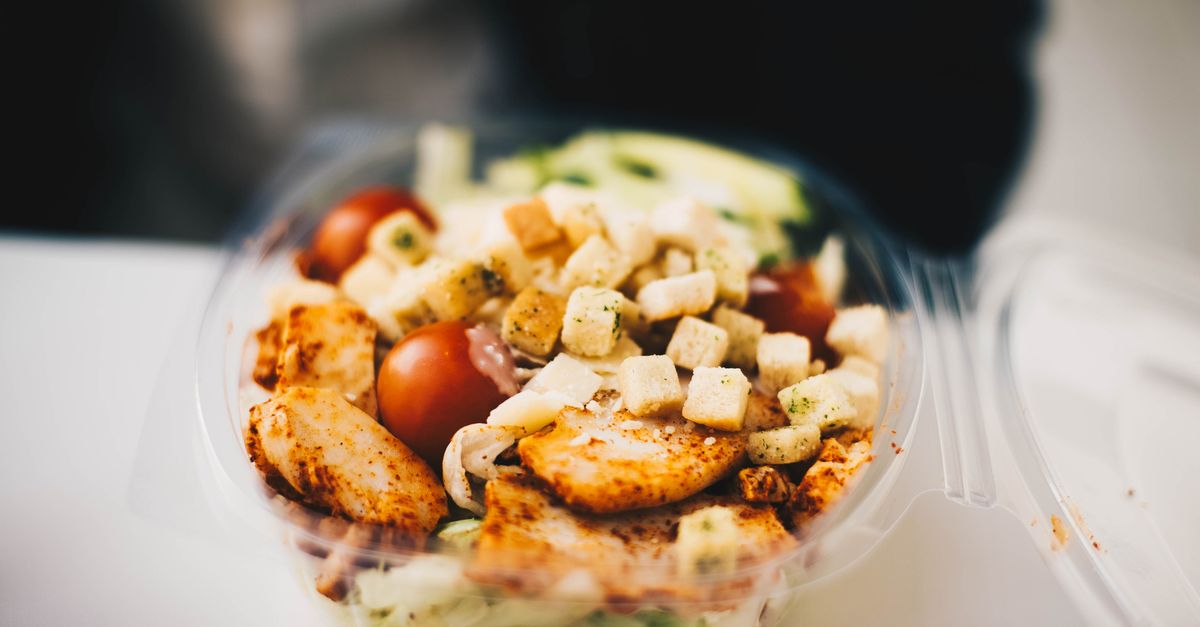
When the day starts before breakfast and ends long after dinner, choosing the right eating strategy can mean the difference between a hectic evening and a calm one. I’ve spent years juggling family meals, business deadlines, and personal fitness goals, so I know how critical it is to pick an approach that balances speed, cost, nutrition, and flexibility.
Understanding the Options
What Is Ready‑to‑Eat Meal Delivery?
Ready‑to‑eat meal delivery refers to services that ship fully cooked or partially prepped meals directly to your door. In 2026, these offerings are highly refined: many providers now offer customizable menus, portion control, and even specialty diets (keto, paleo, plant‑based). The key benefit is minimal kitchen time; you simply heat and eat.
Typical ready‑to‑eat services fall into three categories:
- Fully cooked meals – arrive hot or cold, requiring only a quick microwave or oven reheating step. Examples include brands that focus on nutrition labs and chef‑crafted recipes.
- Frozen meal kits – pre‑portion ingredients in sealed bags that you cook at home. These can be a hybrid between delivery and homemade cooking.
- Fresh ingredient boxes – delivered with all the raw components needed for a recipe, but you still do the cooking from scratch. This option offers more control while still reducing grocery shopping time.
What Is Homemade Easy Meal Prep?
Easy meal prep involves cooking larger batches once a week or every few days and storing individual portions. You still handle the initial preparation—cutting vegetables, marinating proteins, assembling dishes—but the day‑to‑day effort is reduced to reheating or quick assembly.
A typical meal prep routine might look like this:
- Plan – choose recipes that share core ingredients (e.g., a batch of chicken thighs, roasted veggies, and quinoa).
- Shop – buy in bulk where possible; use seasonal produce to keep costs low.
- Cook – set aside 2‑3 hours on the weekend; use a slow cooker or sheet pan for efficiency.
- Store – divide into airtight containers, label with date and contents, and refrigerate or freeze as needed.
- Serve – reheat portions in the microwave or skillet; add fresh herbs or sauces to keep meals interesting.
Time Savings Comparison
The core advantage of ready‑to‑eat meals is that they eliminate prep and cleanup. However, there are hidden time costs such as ordering, delivery tracking, and sometimes limited flexibility in portion sizes.
Typical Time Breakdown (per week)
- Ready‑to‑Eat: 0–15 minutes per meal (including heating); 5–10 minutes for ordering and delivery coordination.
- Easy Meal Prep: 2–3 hours total prep; 1–2 minutes per meal to reheat or assemble.
For a family of five, the cumulative daily time saved with ready‑to‑eat can reach up to an hour compared with a full week’s prep. Yet for someone who enjoys cooking and values control over ingredients, those few hours spent preparing once may feel worthwhile.
Cost Analysis
Both options have distinct price structures: subscription plans for delivery services versus ingredient costs for home cooking. Below is a realistic comparison based on average 2026 market rates.
Weekly Cost Estimate (per person)
- Ready‑to‑Eat: $15–$25 depending on brand and customization.
- Easy Meal Prep: $8–$12 for groceries plus minimal gas or electricity for reheating.
The upfront cost of meal delivery can be higher, especially when factoring in delivery fees and tips. However, many families find the convenience justifies the premium, particularly during back‑to‑school season or after a long work week.
To illustrate, consider a scenario where you buy a 5‑meal plan from a popular provider at $22 per person for the week. That’s roughly $110 for five meals. In contrast, buying fresh produce, lean protein, and grains for homemade prep might total $45–$60 for the same number of servings. When you add heating costs (about $0.30 per meal), the difference narrows further.
Nutritional Quality and Flexibility
When it comes to macros, calories, and ingredient transparency, homemade meals often have an edge because you control portion sizes and sourcing. Ready‑to‑eat services typically provide detailed nutrition labels, but some may use additives or higher sodium levels.
Flexibility is another factor: a home cook can quickly adjust recipes for dietary restrictions or sudden taste changes. With delivery, changing your order mid‑week usually incurs extra fees or isn’t possible at all.
If you’re managing food allergies, veganism, or specific macro targets, homemade prep offers the best solution. For example, swapping out a pre‑made sauce for a homemade tahini drizzle can reduce sodium by 30% and add healthy fats without much effort.
Convenience for Different Lifestyle Scenarios
- Busy Professionals: Ready‑to‑eat eliminates kitchen time, allowing focus on work and family.
- Parents with Teenagers: Easy meal prep offers variety and the chance to involve kids in cooking sessions.
- Health‑Focused Individuals: Both options can be tailored; however, homemade meals often allow precise control over macros.
- Travelers or Frequent Movers: Ready‑to‑eat services adapt quickly to new locations, whereas meal prep requires grocery access and storage.
Common Mistakes to Avoid with Each Option
Both strategies can fall short if not executed thoughtfully. Below are pitfalls I’ve seen in my own experience as a business owner juggling multiple commitments.
Ready‑to‑Eat Pitfalls
- Overreliance on convenience leading to poor nutrition choices.
- Ignoring hidden costs like delivery fees or subscription lock‑ins.
- Not leveraging meal customization features for dietary needs.
Easy Meal Prep Pitfalls
- Underestimating prep time, especially with complex recipes.
- Storing food improperly, risking spoilage and waste.
- Choosing low‑quality ingredients to cut costs, which reduces taste and nutrition.
Choosing the Right Mix: Hybrid Approach
I’ve experimented with a hybrid model that balances cost, time, and health. On weekdays I rely on ready‑to‑eat for quick lunches during high‑pressure meetings. For dinner, I prep a batch of protein and vegetables over the weekend, then pair it with fresh salad or a side from the delivery service.
In my experience this split keeps the family satisfied without breaking the bank or my schedule.Ultimately, the best choice depends on your priorities: if time is king, ready‑to‑eat wins; if cost and control matter more, easy meal prep takes center stage. For many families, a combination delivers the best of both worlds.
The key takeaway: The right balance between ready‑to‑eat meals and homemade easy meal prep depends on your specific time constraints, budget, and nutritional goals; a hybrid strategy often offers optimal flexibility.Practical Tips for Building Your Hybrid Plan
Below are concrete steps you can take to start combining both approaches without feeling overwhelmed.
- Create a weekly menu template: Allocate two days (e.g., Monday and Wednesday) for ready‑to‑eat lunches, and use Thursday evening to finish any leftover prep from the weekend.
- Batch cook staples: Roast a large tray of sweet potatoes or broccoli on Sunday; these can be reheated in minutes on any day.
- Invest in quality containers: Airtight glass jars and BPA‑free plastic tubs help keep portions fresh while saving space in the fridge or freezer.
- Use a slow cooker or Instant Pot: These appliances reduce active cooking time to under 30 minutes, letting you focus on other tasks.
- Schedule grocery runs strategically: Buy fresh produce for meals that require minimal cooking (e.g., salads) just before the week starts; bulk staples can be purchased at the beginning of the month.
Sustainability Considerations
Choosing between ready‑to‑eat and homemade prep also impacts your environmental footprint. Home cooks can reduce packaging waste by buying in bulk, using reusable containers, and planning meals to minimize leftovers. Delivery services often use single‑use plastic or cardboard boxes; some providers are working on recyclable materials, but the overall packaging volume remains higher than a well‑planned home kitchen.
When deciding, consider how much extra time you’re willing to invest in reducing waste versus the convenience of pre‑packaged meals. Small changes—such as swapping out a single ready‑to‑eat item for a homemade alternative—can add up over weeks.
Final Decision Guide
Use this quick reference sheet to decide which option fits each day:
| Day Type | Recommended Approach | Why? |
|---|---|---|
| Monday‑Wednesday (Workday) | Ready‑to‑Eat Lunches | Fast, no prep needed; reduces morning rush. |
| Thursday‑Friday (Evening) | Home‑Cooked Dinners from Prep | Fresh flavors and control over ingredients. |
| Weekend (Saturday/Sunday) | Meal Prep Session + Light Cooking | Prepare for the week; maintain variety. |
| Special Occasions | Mixed: Homemade Desserts + Delivery Appetizers | Create memorable meals without full kitchen time. |


