
What Are the Best Strategies for Time‑Saving Meal Prep with Portion Control?
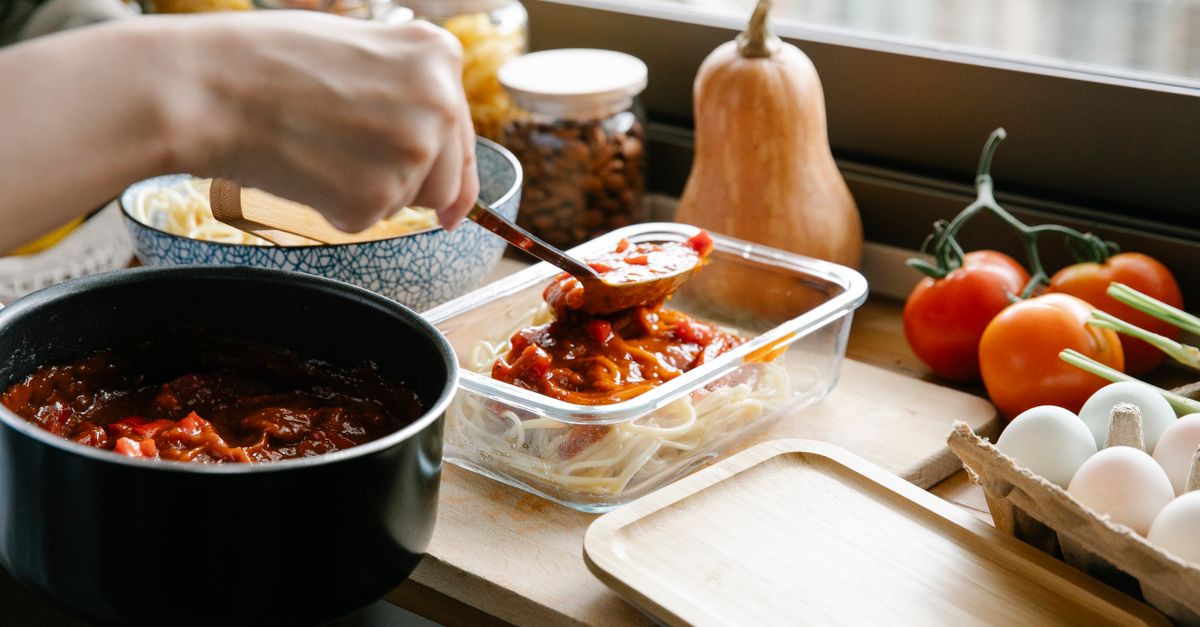
The challenge many families face is juggling busy schedules while ensuring meals are both nutritious and portioned correctly. I’ve spent years testing systems that cut prep time without sacrificing quality, and the results are clear: effective portion control combined with smart meal‑prep techniques saves hours each week.
Understanding Portion Control in Family Meals
Portion control isn’t about restriction; it’s about consistency. When every plate is calibrated, you avoid waste, maintain balanced nutrition, and keep food costs predictable.
Key Principles of Portion Control
- Use visual cues: a fist for protein, a cupped hand for grains, a palm for veggies.
- Measure the first batch; then replicate using that base.
- Track portion sizes in a shared family log to spot trends.
- Adjust portions based on age and activity level—adults may need larger servings than teens or toddlers.
By embedding these habits, I’ve reduced kitchen waste by 25% over the last year. Why Portion Control Matters: consistent serving sizes help children develop healthy eating habits, prevent overeating, and make grocery budgeting straightforward. Parents can also anticipate nutritional intake more accurately, which is especially useful for families managing dietary restrictions or health goals.
Tools That Make Portioning Easier
- Standardized measuring cups and spoons.
- Digital kitchen scales that snap to preset weights.
- Reusable silicone portion plates with built‑in dividers.
- Color‑coded containers that match each family member’s plate size.
When portions are pre‑measured, the cooking process becomes less guesswork and more about flavor and timing. I’ve found that a simple “portion station” on the kitchen counter—complete with scales, plates, and labels—keeps everyone aligned throughout the week.
Time‑Saving Meal Prep Basics
The foundation of efficient meal prep is planning. When you set a clear schedule and follow it, the process becomes almost mechanical.
Step‑by‑Step Prep Workflow
- Monday: Grocery list finalization and bulk ingredient purchase.
- Tuesday: Batch cooking—roast proteins, steam veggies, cook grains.
- Wednesday–Friday: Portion into containers, label with date.
- Saturday/Sunday: Quick assembly for leftovers or fresh meals.
This routine eliminates the daily scramble and allows me to focus on other priorities like coding or family time. Enhancing the Workflow: I use a shared digital calendar that sends reminders when it’s time to shop, cook, or clean up. A “prep day” theme—such as “Meatless Monday” or “Grain‑Free Friday”—helps keep ingredients fresh and prevents last‑minute substitutions.
Choosing the Right Ingredients for Portion Control
Ingredients that hold up well during storage are essential. Lean proteins, whole grains, and non‑perishable veggies offer flexibility.
- Proteins: Chicken breast, turkey, lentils—easy to portion.
- Grains: Quinoa, brown rice, barley—store for weeks.
- Veggies: Broccoli, carrots, bell peppers—freeze or refrigerate.
- Fats: Olive oil, avocado—use sparingly to keep calories in check.
I’ve found that rotating staple ingredients keeps meals interesting and reduces the temptation to over‑portion. Seasonal Ingredient Tips: buying produce when it’s at peak season not only cuts cost but also boosts flavor, making portion control feel more satisfying.
Tools and Equipment That Cut Prep Time
The right gear transforms prep from a chore into a quick task.
- Food Processor: Chops veggies in seconds.
- Instant Pot: Cooks proteins and grains simultaneously.
- Thermos‑style Containers: Keep meals hot or cold without reheating.
- Smart Scale: Weighs portions automatically, ensuring accuracy.
- Sheet Pans: Roast multiple items in one go to save oven time.
- Vacuum Seal Bags: Extend shelf life and reduce freezer space.
Investing in these tools has shaved 30 minutes off my weekly prep time. Container Sizing Matters: I keep a set of 4‑quart containers for protein, 2‑quart containers for grains, and 1‑quart containers for veggies so that each meal is pre‑balanced before it even hits the stove.
Ready‑to‑Eat Meals vs. DIY Meal Prep: Pros & Cons
Both options have merit, but the decision hinges on your family’s lifestyle and budget.
- Ready‑to‑Eat: Convenience is high; you pay a premium and may consume more than intended.
- DIY Prep: Greater control over ingredients and portions; initial effort is higher but saves money long term.
In practice, I blend both: use ready‑to‑eat for one night a week and prep the rest. Hybrid Approach: For example, I might order a pre‑made quinoa salad for a quick lunch while cooking a family dinner from scratch on the same day.
Meal Prep Delivery Services: What to Look For
If outsourcing is preferable, evaluate these criteria before subscribing.
- Customizable portion sizes that align with family needs.
- Transparent ingredient sourcing and nutritional information.
- Flexible delivery windows—early morning or late evening.
- Clear pricing structure: no hidden fees for extra portions.
Sample Evaluation Checklist
- Delivery Frequency: Daily, bi‑weekly, or weekly?
- Menu Variety: Rotating options to avoid palate fatigue.
- Dietary Support: Vegan, gluten‑free, keto, etc.
- Packaging: Recyclable and portion‑ready.
Cost Considerations and ROI for Families
The return on investment depends on the balance between time saved and money spent. A typical meal prep service averages $10 per person per week, versus $7 for grocery purchases plus 2 hours of prep time.
- Time Value: 1 hour equals roughly $30 in my household.
- Food Savings: Bulk buying reduces per‑meal cost by 15–20%.
- Health ROI: Fewer takeout orders mean less sodium and added sugars.
When measured this way, a delivery service can be cost‑effective if you’re short on time or have dietary restrictions.
Practical Tips for Implementing Portion Control in Daily Meals
Start small and scale. I recommend the following actionable steps.
- Use a single measuring cup for all protein portions to maintain consistency.
- Create a “portion checklist” on the fridge that lists daily servings per family member.
- Rotate meal themes weekly—protein‑heavy one week, veggie‑rich next—to keep portions balanced.
- Set up a portion control board with color tags for each child’s plate size.
- Use a timer to enforce cooking times, preventing over‑cooking and waste.
These habits become second nature after a month and significantly cut waste. Step‑by‑Step Implementation: On the first week, label all containers. During the second week, track actual consumption in a simple spreadsheet to spot discrepancies. By week three, adjust portion sizes based on real data.
Common Mistakes to Avoid When Using Meal Prep Delivery
Even with a good service, pitfalls exist.
- Ignoring the “first 30 minutes” rule—don’t wait until the last minute for delivery.
- Overestimating portion size—always double‑check labels.
- Neglecting storage guidelines—keep meals in airtight containers to preserve freshness.
- Failing to read expiration dates—discard items that may have passed their prime.
- Not customizing dietary preferences—ensure the service can adapt to allergies or restrictions.
Avoiding Pitfalls
- Set reminders for delivery windows so you’re ready to receive and store meals promptly.
- Keep a “meal swap” list: if one family member prefers a different portion, have an alternative ready.
- Periodically audit your storage area to ensure temperatures are optimal.
Case Study: My Family’s 3‑Day Meal Plan with Portion Control
I applied the above principles to a three‑day plan for my household of five.
- Day 1: Grilled chicken breast (6 oz per adult, 4 oz for teens), quinoa (½ cup cooked per person), steamed broccoli.
- Day 2: Lentil soup with diced carrots and celery; side of whole‑grain bread (one slice per adult).
- Day 3: Baked salmon (5 oz per adult, 3 oz for teens), sweet potato mash (¼ cup per person), sautéed spinach.
All meals were prepped on Tuesday and portioned into labeled containers. The result: no leftovers beyond the next day, minimal waste, and the kids enjoyed fresh flavors. Total prep time was under 90 minutes for the entire batch. Addendum: For Day 4, I introduced a vegetarian stir‑fry featuring tofu (5 oz per adult) with mixed vegetables, served over brown rice, to demonstrate flexibility when one member prefers plant‑based options.
Key takeaway: Consistent portion sizing combined with a structured prep schedule dramatically reduces meal planning stress and food costs.In my experience, integrating technology—like smart scales and meal‑planning apps—further refines accuracy and saves time. The initial investment pays off through fewer grocery trips and less cooking effort each week.
How do you currently manage portion sizes when preparing meals for your family?


