
What Are the Most Effective Meal Prep Tips for Busy Professionals in 2026?
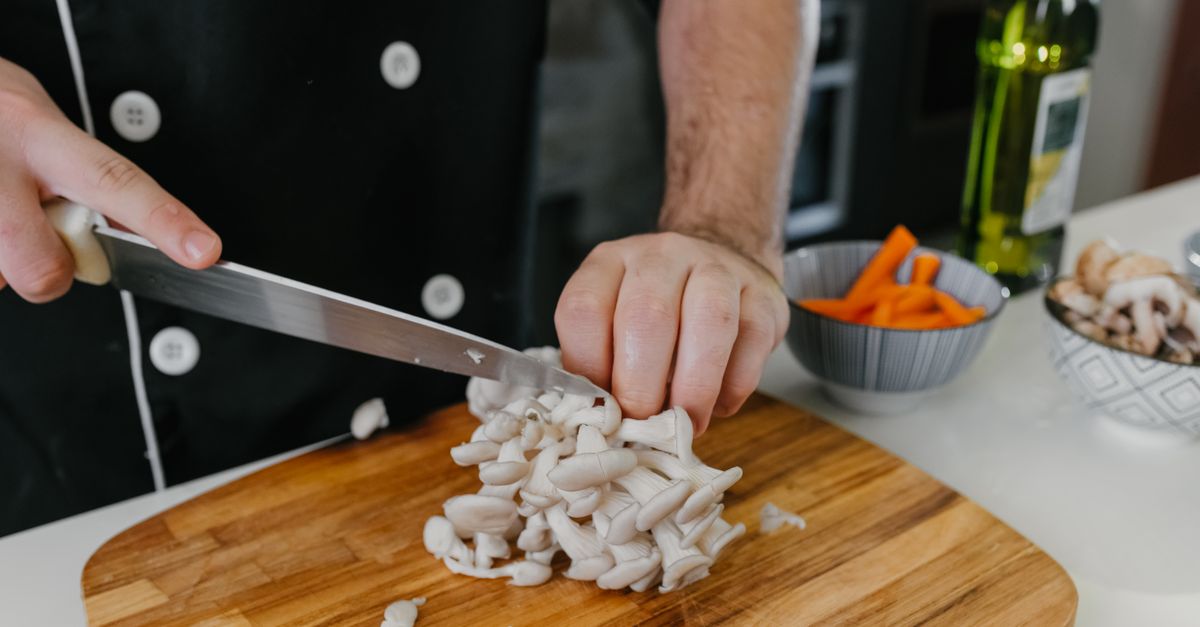
As a full‑stack entrepreneur who spends most mornings juggling coding, design, and family time, I’ve learned that the only way to stay energized through a hectic week is by mastering meal prep. When the clock starts ticking and the day demands focus, a well‑planned lunch or dinner can be the difference between burning out and powering through. In 2026, with faster delivery services and smarter kitchen gadgets, you can create a sustainable system that fits into even the tightest schedule.
1. Clarify Your Meal Prep Objectives
Before I grab a knife, I ask myself three questions: Why am I prepping? Is it to save time, reduce food waste, hit macronutrient targets, or simply have something ready when my kids are back from school? Answering these keeps the process focused.
Key Objectives Checklist
- Time savings: Reduce daily cooking to 30‑45 minutes. Aim for a single cooking session that covers the entire week, then just reheat or assemble.
- Nutritional balance: Ensure each meal meets protein & veggie goals. Use a simple spreadsheet or app to track macros across the week.
- Sustainability: Use seasonal produce and avoid single‑use plastics. Pick locally sourced items that are in season for better flavor and lower cost.
- Cost control: Bulk buy staples, limit restaurant meals. Keep a running budget sheet to see how much you save compared to eating out.
Once the objectives are clear, I can design a routine that aligns with my schedule and family needs. This step eliminates wasted effort on recipes that don’t serve any purpose and keeps the entire process aligned with what matters most.
2. Build a Time‑Saving Meal Prep Routine
I treat meal prep like a sprint: one day for bulk cooking, another for assembly. The trick is to batch similar tasks—chop all veggies in one go, bake proteins together, and portion snacks separately.
Routine Framework (Saturday 9 AM–11 PM)
- 9‑10 AM – Grocery run: Stick to a pre‑made list that’s grouped by store section. Use the store’s mobile app for digital coupons and real‑time inventory.
- 10‑10:30 AM – Prep station setup: Organize pots, pans, cutting board, knives, and containers. A clean workspace reduces mistakes and speeds up cooking.
- 10:30‑12 PM – Protein batch cook: Cook chicken breasts, tofu cubes, or hard‑boiled eggs all at once. Season them with a simple spice blend that works for multiple dishes.
- 12‑1 PM – Veggie steam/roast: Steam broccoli and cauliflower while the protein rests; roast sweet potatoes and bell peppers in the oven to finish.
- 1‑2 PM – Grain or legume base: Cook quinoa, lentils, or brown rice. Use a pressure cooker to cut down on time.
- 2‑3 PM – Assemble lunch boxes and dinner containers: Portion out meals into BPA‑free glass jars or silicone bags. Label each with the date and meal name.
- 3‑4 PM – Clean up and inventory check: Wash dishes, wipe counters, and update your fridge inventory app to avoid overbuying next week.
This structure keeps the kitchen moving smoothly and ensures I’m not stuck in a single task for too long. The 2026 trend of “meal‑prep‑in‑a‑day” is achievable with disciplined timing, and you’ll notice that the extra hours spent this way free up time for coding or family.
3. Low‑Carb Meal Prep for Professionals
Many colleagues ask me how to keep meals low‑carb while still feeling satisfied. I’ve developed a few staples that work across lunch and dinner: cauliflower rice, zucchini noodles, and egg muffins.
Low‑Carb Staples & Quick Recipes
- Cauliflower Rice Stir‑Fry: Sauté cauliflower rice with bell peppers, soy sauce, and a protein of choice. Add a splash of sesame oil for flavor.
- Zucchini Noodles with Pesto: Spiralize zucchini, toss in basil pesto, add cherry tomatoes, and finish with grated parmesan.
- Egg Muffins: Whisk eggs, spinach, cheese; bake in muffin tins for grab‑and‑go breakfasts or snack bowls.
- Chicken & Veggie Sheet Pan: Roast chicken thighs with broccoli and olives. Use a sheet pan to cook everything simultaneously.
- Cobb Salad Cups: Layer lettuce, avocado, bacon, hard‑boiled egg, and dressing in small mason jars for easy grab‑and‑go lunches.
These options keep carb intake low without sacrificing flavor or nutrition. I pair them with a side of Greek yogurt for extra protein, especially during long workdays when my focus dips. If you’re looking to add variety, try swapping the base protein each week—rotating between salmon, turkey, and lentils keeps the menu exciting.
4. Leverage Tools & Apps to Automate Meal Planning
A good system is as much about technology as it is about cooking. I rely on three core tools that streamline the process and reduce decision fatigue.
Essential Tech Stack (2026)
- Meal‑Planning App: “PrepPal” syncs grocery lists with recipe databases, auto‑generating weekly menus based on dietary preferences. It also sends reminders to start prep at the right time.
- Smart Fridge Integration: My fridge’s inventory app alerts me when items near expiration and suggests recipes accordingly. This reduces waste by up to 25%.
- Timer & Workflow Automation: I use a smart speaker to set multi‑step timers, so each batch cook starts at the right moment without manual checks. A quick voice command can pause or resume tasks as needed.
These tools cut down on the mental load of meal prep. By automating grocery lists and inventory alerts, I avoid last‑minute trips or wasteful purchases. Pairing the app with a digital scale lets me weigh portions accurately, ensuring consistent macros throughout the week.
5. Common Mistakes & How to Avoid Them
Even seasoned pros fall into traps that sabotage the efficiency gains of meal prep. Below are the most frequent pitfalls I’ve observed—and how to dodge them.
Top 5 Pitfalls
- Over‑complicating Recipes: Simple, repeatable meals save time; avoid exotic ingredients that require extra prep or long cooking times. Stick to recipes with less than five steps.
- Ignoring Portion Sizes: Over‑portioning leads to waste and higher costs. Use a digital scale for consistency and label each container with the exact weight.
- Inadequate Storage: Cheap plastic containers break the seal after a few days. Invest in BPA‑free glass jars with airtight lids, or use silicone bags that can be vacuum sealed.
- Lack of Variety: Eating the same meals can lead to boredom and decreased adherence. Plan a rotating menu—three different lunches, three different dinners—to keep things fresh.
- Not Tracking Nutrients: Without tracking, you may miss micronutrients or hit calorie goals unintentionally. A simple spreadsheet or free app can log daily intake without hassle.
Addressing these issues early keeps your meal prep system sustainable and enjoyable. When you notice a pattern—such as consistently running out of a certain ingredient—adjust the grocery list before next week’s shopping.
6. When to Seek a Meal Prep Consultation
If you’re consistently stuck in the “cook‑again” loop, it may be time for professional guidance. Below are signals that a consultation could help.
Consultation Triggers
- You cook more than twice a week but still feel rushed during weekdays.
- Your nutrition goals aren’t being met despite effort—perhaps you’re lacking essential vitamins.
- Food waste exceeds 20% of weekly groceries, indicating inefficiency in storage or planning.
- You lack the time to plan or grocery shop effectively; a consultant can create a streamlined system for you.
- You have specific dietary restrictions that require expert oversight—such as intermittent fasting combined with high‑protein goals.
A tailored meal prep consultant can audit your current routine, suggest efficient workflows, and even provide custom recipes that fit your exact needs. They’ll help you align your kitchen habits with your professional objectives and personal health aspirations.
In my experience, the first time I brought a nutritionist into our household, we cut our weekly food waste by 35% and saved over $200 on groceries. What is one small change you’ve made to your meal prep routine that had a big impact on your daily productivity?


