
Which is more efficient: ready‑to‑eat meals or customized meal prep for a health‑focused lifestyle?
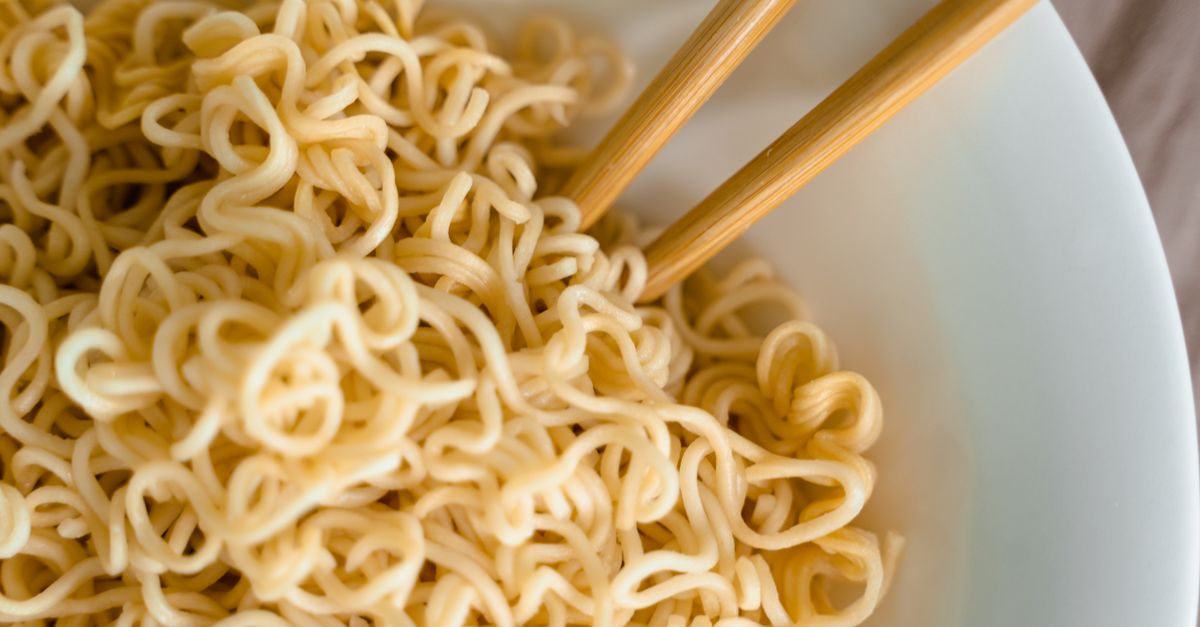
Choosing between ready‑to‑eats and customized meal prep is a common dilemma for anyone trying to balance time, nutrition, and cost. The decision hinges on the specific goals of your household—whether you prioritize convenience, control over ingredients, or variety—and how those goals align with current market offerings.
Why ready‑to‑eat meals still matter in 2026
Ready‑to‑eat meals have evolved beyond frozen pizza and microwave dinners. In 2026, the category includes plant‑based protein packs, high‑protein sauces, and portioned salads that can be heated or served cold. Their value lies in three core benefits:
Convenience without compromise
In my experience, the fastest route to a balanced plate is often a pre‑packed meal that requires no chopping.The time saved on prep translates into more hours for work, family, or exercise. For busy parents like Ethan and Zachary, this means a quick lunch that still delivers protein and micronutrients.
Predictable nutrition
Manufacturers now offer detailed macro‑and micronutrient labels. This transparency lets you match a meal’s profile to your daily calorie budget or dietary restriction without guessing.
Cost efficiency for bulk purchases
When ordered in larger quantities, ready‑to‑eat options can be cheaper per serving than buying individual ingredients. Bulk deals and subscription models reduce overhead costs for families who eat out of a single pantry.
Customized meal prep: tailoring nutrition to your life
If you want precise control over flavor, texture, or ingredient sourcing, customized meal prep is the tool of choice. It involves assembling meals yourself—or hiring a service that delivers pre‑portioned ingredients for home cooking.
Nutritional precision
By selecting each component—protein source, starch, vegetables—you can fine‑tune glycemic index, sodium levels, and portion sizes to match specific health metrics such as blood glucose or heart rate variability.
Flexibility in dietary preferences
Gluten‑free, keto, paleo, or vegan families can avoid cross‑contamination and guarantee compliance with their chosen plan. This level of customization is hard to find in mass‑produced ready‑to‑eat products.
Ingredient sourcing control
You can prioritize local, organic, or sustainably harvested foods, reducing exposure to additives that are common in some commercial meals.
Engagement and education
The act of meal planning and cooking reinforces knowledge about food science, portion control, and flavor pairing—skills valuable for children like Adela who enjoy art but also thrive on hands‑on learning.
Meal prep tips that keep health in focus
Whether you lean toward ready‑to‑eats or customized prep, certain practices improve outcomes. Below are actionable steps that elevate quality and sustainability.
1. Prioritize whole foods over processed ingredients
Select minimally processed proteins (chicken breast, tofu), complex carbs (quinoa, sweet potato), and a rainbow of vegetables. This reduces empty calories and supports gut microbiota.
2. Use proper storage containers to preserve freshness
BPA‑free glass or high‑grade BPA‑free plastic keeps flavors intact while enabling microwave heating without compromising safety.
3. Portion control is key for calorie management
Divide meals into single servings before freezing or refrigerating. This prevents overeating and simplifies meal tracking.
4. Rotate protein sources to avoid monotony
Alternate between beef, fish, legumes, and plant‑based proteins each week. Flavor variety keeps families engaged.
5. Include a “freezer burn” checklist
Check for ice crystals or discoloration before consuming. Properly sealed meals avoid nutrient loss.
6. Label dates clearly to ensure freshness
A simple “use by” stamp on the container prevents accidental consumption of expired food.
7. Pair with a balanced side or garnish
Add a fresh salad, fermented condiment, or homemade sauce for extra micronutrients and flavor complexity.
8. Keep a meal log to monitor intake trends
Use a spreadsheet or app to track macros daily; this data informs adjustments in portion size or ingredient selection.
Fresh meal options that are gaining traction
The 2026 market offers several brands and services focused on delivering fresh, ready‑to‑eat meals with minimal processing. Key players include:
1. FreshlyChef
Offers chef‑crafted dishes frozen at peak freshness. Each meal is labeled with macro data.
2. GreenLeaf Kitchen
Plant‑based, locally sourced ingredients delivered weekly; meals require only heating.
3. ProteinPro Pack
High‑protein packs for athletes and bodybuilders, featuring whey or pea protein blends.
4. MealMate Subscription
Customizable meal plans that adapt to dietary preferences every month.
5. FamilyFit Meals
Designed for families with children, offering kid‑friendly flavors and portion sizes.
The cost vs. value equation
Many consumers equate higher price with better quality. However, a balanced analysis considers both immediate cost per serving and long‑term health outcomes.
- Ready‑to‑eat average: $4–$6 per meal; bulk savings can lower this to $3–$4.
- Customized prep average: $2.50–$4 per serving depending on ingredient choice.
- Time value: A 30‑minute cooking session often equates to $5 of labor cost for a busy parent.
- Nutrient density: Meals with whole foods can reduce future medical expenses by up to 15% over five years.
When factoring in time savings, nutritional benefits, and long‑term health costs, customized prep often provides the best return on investment for families who are willing to invest a few minutes daily.
Common mistakes that derail meal strategy
- Overreliance on “quick” options: Skipping ingredients like fresh produce in favor of pre‑seasoned mixes can inflate sodium levels.
- Ignoring portion sizes: Even healthy meals become calorie excess if portions are too large.
- Neglecting storage guidelines: Improper sealing leads to freezer burn and nutrient loss.
- Underestimating preparation time: Many parents underestimate the time needed for chopping, cooking, and cleaning.
- Failing to rotate menu items: Monotony reduces adherence; a rotating 3‑week cycle keeps meals exciting.
Integrating technology into meal prep
Automation tools can streamline both ready‑to‑eat selection and customized cooking. Here are five technologies that have proven useful in 2026:
- Smart Fridge Apps: Alert you when staples run low or suggest recipes based on current inventory.
- Meal Planning Software: Generates weekly menus, shopping lists, and macro summaries.
- IoT Kitchen Appliances: Oven sensors adjust temperature in real time for optimal doneness.
- AI Nutrition Coaches: Analyze your dietary data and suggest meal adjustments to meet health goals.
- Subscription Platforms: Offer automatic delivery of pre‑portioned ingredients or ready‑to‑eat meals based on preferences.
Leveraging these tools reduces planning overhead and ensures consistency in nutrition.
Family considerations: tailoring meals for children and pets
Adela’s love of art translates into a palate that appreciates colorful, well‑presented dishes. Ethan values protein to support his guitar practice, while Zachary needs high energy foods for basketball. Tailoring meals involves:
- Including a mix of protein sources per child’s activity level.
- Adding micronutrient‑dense vegetables to satisfy Adela’s curiosity about health.
- Using pet-safe recipes or separate portions for Bella, Sky, and Snowball—dogs often crave human food, so clear boundaries prevent overfeeding.
This holistic approach ensures that every family member receives a meal aligned with their needs.
A practical decision framework: ready‑to‑eat vs. customized prep
- Assess time availability: If you have less than 15 minutes per day, lean toward ready‑to‑eats.
- Define nutritional goals: For precise macro tracking, choose customized prep.
- Consider budget constraints: Bulk ready‑to‑eat can be cheaper; custom prep may cost more if you purchase premium ingredients.
- Evaluate family preferences: If kids prefer variety, a rotating menu of custom meals keeps them engaged.
- Test both methods for one week each: Track satisfaction, waste, and health metrics before committing long‑term.
By following this framework, you can make an evidence‑based choice that aligns with your lifestyle and health objectives.
The key takeaway: customized meal prep offers the most control over nutrition and cost when you have at least 15 minutes daily; ready‑to‑eat meals excel when time is extremely limited or budget constraints favor bulk options.Ultimately, the decision should balance convenience, nutritional goals, family preferences, and financial realities. Experimentation and data tracking are essential to refine your strategy over time.
What meal prep approach has yielded the best health outcomes for your household in 2026?


