
Which meal prep ideas help me cook time‑saving, healthy meals at home?
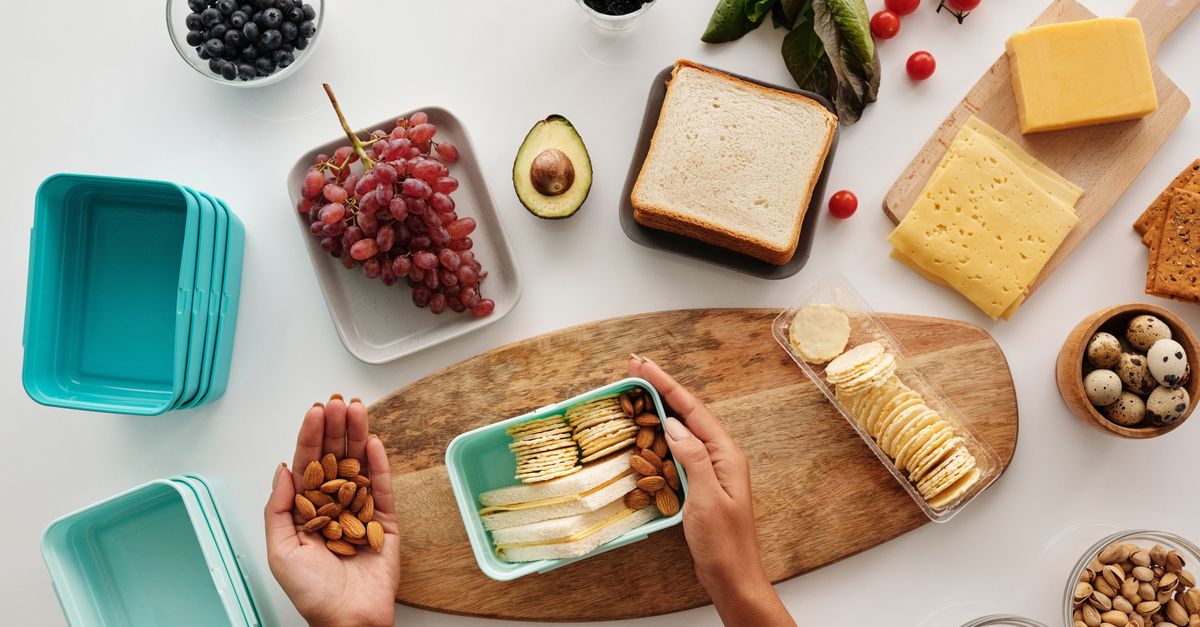
I’ve spent the last decade building systems that turn chaos into order—whether it’s a startup launch or a family dinner. The same principles apply when you want to create healthy lifestyle meals quickly and consistently. This guide is packed with concrete meal prep tips, practical meal prep ideas, and time‑saving techniques that fit into any busy schedule.
Why Meal Prep Matters for a Busy Life
The modern kitchen often feels like a battlefield: deadlines, kids’ schedules, and the endless pull of convenience foods. By investing an hour or two each weekend in home meal prep, you reclaim control over nutrition, cost, and time.
First, it eliminates the daily decision‑making fatigue that leads to unhealthy choices. When your meals are already ready, you’re less likely to grab fast food or order out. Second, it offers a predictable budget; bulk cooking reduces waste and allows you to shop in bulk for better rates. Finally, consistency builds confidence—knowing exactly what’s on the plate means fewer last‑minute scrambles.
In my experience, a well‑structured prep routine cuts weekly cooking time from 10+ hours to roughly two. That’s a full day of freedom you can spend with family or on projects that matter.
Key Principles of Effective Home Meal Prep
- Plan the week around versatile staples: grains, beans, proteins, and vegetables that mix and match.
- Batch cook proteins in bulk: chicken, turkey, or tofu can be used across multiple dishes.
- Use a single pot or sheet pan for most meals: reduces cleanup time dramatically.
- Pre‑measure ingredients: keep them ready for quick assembly during the week.
- Freeze portions that last longer: smoothies, soups, and stews can be frozen in individual servings.
- Label everything clearly: date, contents, and reheating instructions.
- Keep it simple: aim for 3–5 core recipes that you tweak weekly.
- Review and adjust: track what works and discard what doesn’t after the first cycle.
Step‑by‑Step Guide to Building a Weekly Menu
The first step is to set clear objectives: calorie count, macro distribution, and dietary preferences. I typically use a spreadsheet that lists each day’s meals with total calories and macros.
Next, map out 3–4 main dishes—one protein‑heavy, one plant‑based, one low‑carb option—and pair them with interchangeable sides such as quinoa, roasted veggies, or a simple salad. This modular approach lets you swap components without re‑cooking.
On Saturday morning, I allocate the first hour to washing and chopping vegetables, the second hour to cooking grains, and the final hour to baking proteins and assembling meal containers. By the end of that session, each day’s meals are ready for a quick heat‑and‑eat routine.
Remember: the goal is not perfection but predictability. Small deviations—like swapping an apple for a banana—are fine as long as they fit your nutritional targets.
Choosing the Right Ingredients for Nutrient Density
- Lean proteins: skinless chicken breast, turkey breast, lentils, chickpeas.
- Whole grains: quinoa, brown rice, farro; avoid refined pastas where possible.
- Colorful vegetables: broccoli, bell peppers, carrots, spinach—aim for a rainbow on every plate.
- Healthy fats: avocado, olive oil, nuts; limit saturated fats.
- Seasonal produce: reduces cost and maximizes freshness.
Batch Cooking Techniques That Cut Time in Half
I use a combination of slow cooker and instant pot to pull large volumes of food with minimal hands‑on time. For example, a 6‑quart slow cooker can produce three servings of chili or pulled pork by the end of the day, freeing up my kitchen for other tasks.
Another trick is the “sheet pan dinner.” By arranging proteins and vegetables on one pan and roasting everything together, you eliminate multiple pans and reduce cleanup to a single bowl of dish soap.
Smart Storage Solutions for Freshness and Convenience
- Vacuum‑sealed bags: keep produce crisp longer than plastic containers.
- Clear glass jars: great for soups, stews, and sauces; they’re microwave‑safe.
- Airtight silicone containers: stackable design saves fridge space.
- Label with a dry‑erase marker: write the date on the container itself to avoid forgetting.
Quick, Healthy Recipes to Keep Your Menu Varied
Here are four recipe templates that can be tweaked each week. All are designed for 30 minutes or less when you have your ingredients prepped.
1. Mediterranean Quinoa Bowl
- Cook quinoa in advance; store in a container.
- Sauté diced tomatoes, cucumbers, olives, and feta with olive oil.
- Add chickpeas for protein; season with oregano and lemon zest.
- Serve over the quinoa base; drizzle extra virgin olive oil on top.
2. Sheet‑Pan Lemon Herb Chicken
- Season chicken breasts with lemon juice, garlic powder, thyme, and salt.
- Arrange on a sheet pan with sliced carrots, zucchini, and red onions.
- Bake at 400°F for 25 minutes; serve over brown rice.
3. Veggie‑Loaded Stir‑Fry
- Use pre‑cut stir‑fry mix (broccoli, bell pepper, snap peas).
- Sauté with sliced tofu or shrimp in a tablespoon of sesame oil.
- Add a sauce made from soy sauce, honey, and ginger.
- Serve over cauliflower rice for low carbs.
4. Protein‑Rich Overnight Oats
- Combine rolled oats, Greek yogurt, chia seeds, almond milk in a mason jar.
- Add frozen berries and a scoop of protein powder.
- Refrigerate overnight; grab it for a quick breakfast on the go.
Meal Prep Mistakes to Avoid
- Over‑seasoning: add spices gradually; you can’t take them back.
- Ignoring portion control: use measuring cups during prep to stay on track.
- Storing in non‑microwave‑safe containers: this can ruin textures.
- Neglecting food safety: keep hot foods above 140°F and cold below 40°F.
- Not rotating inventory: use the oldest items first to reduce waste.
Automating Meal Prep with Smart Kitchen Tools
The future of home cooking is already here. I’ve integrated a smart slow cooker that syncs with my phone, allowing me to set timers and recipes remotely. An air fryer handles crisping without the need for extra oil, while an induction stove heats pots faster than traditional gas.
For those who love data, a kitchen scale that connects to an app can track macros in real time—great if you’re on a strict nutritional plan.
Integrating Grocery Shopping into Your Routine
- Weekly list based on prep menu: keep it short and focused.
- Use digital grocery lists: sync across devices for real‑time updates.
- Shop early in the week: reduces last‑minute rushes.
- Batch similar items: buy grains, proteins, and produce in bulk to save money.
Balancing Flavor and Nutrition Without Extra Effort
A common misconception is that healthy meals taste bland. That’s not true if you use herbs, citrus, and a touch of umami—think miso or tamari—to elevate dishes. A simple sprinkle of nutritional yeast can add cheese‑like flavor to roasted veggies.
Another trick: use “flavor layers.” Start with a base of sautéed onions and garlic; add spices midway; finish with acidic elements (lemon, vinegar) right before serving to brighten the dish.
How to Adjust Portions for Different Caloric Goals
- Use a food scale: weigh portions before packaging.
- Adjust grain ratios: swap half of rice for cauliflower rice if you need fewer carbs.
- Swap protein sources: lean beef vs. plant‑based beans can shift calorie density.


